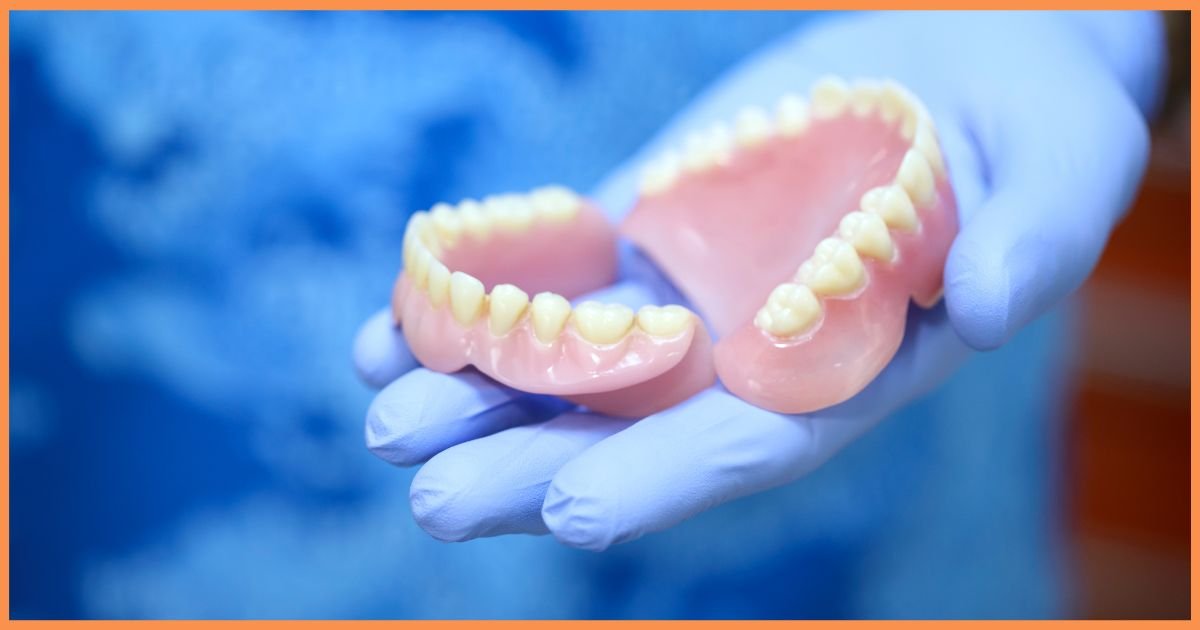
Choosing between traditional braces and clear aligners can be confusing, especially when both options promise to improve your smile. You may prefer the discreet appearance of clear aligners, while braces may seem like a more reliable solution for correcting complex dental problems.
But which treatment is actually better?
The answer depends on your teeth, bite alignment, orthodontic concerns, lifestyle, and treatment goals. There is no single option that works best for everyone. An experienced orthodontist evaluates these factors before recommending a treatment plan.
At Dr Khullar Dental Clinic, understanding your dental needs is an important part of choosing the right orthodontic treatment. Under the guidance of Dr. Harsha Lalit, patients can explore suitable options for achieving a healthier, more balanced smile.
In this guide, we will compare braces and clear aligners, explain their benefits and limitations, and discuss what an orthodontist considers before recommending either treatment.
What Are Traditional Braces?
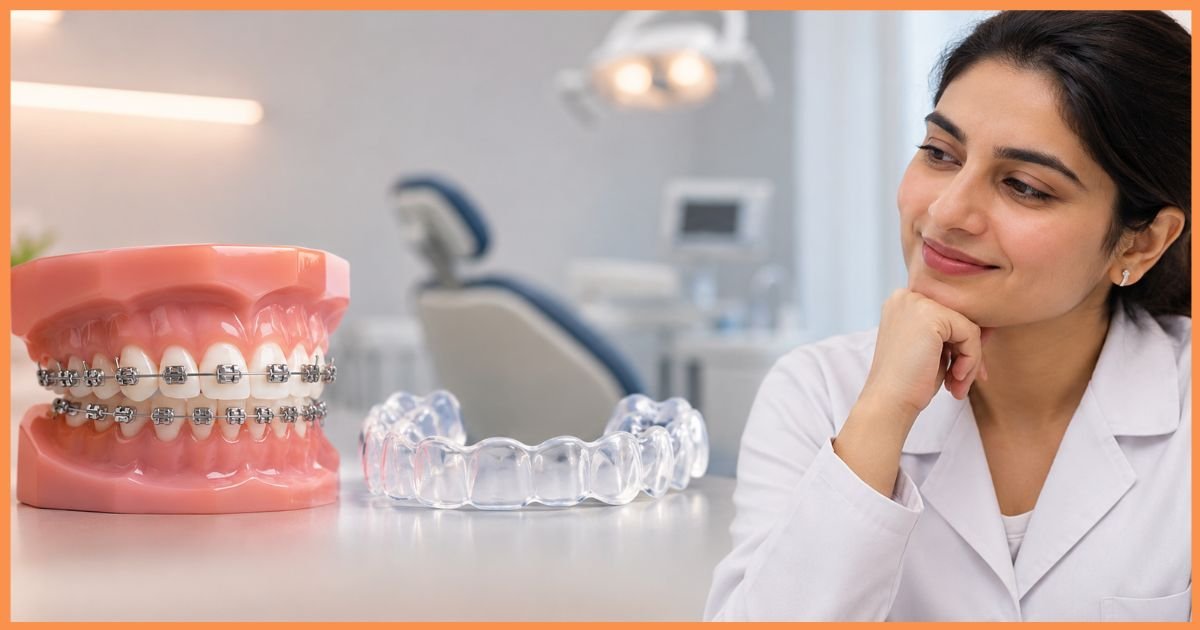
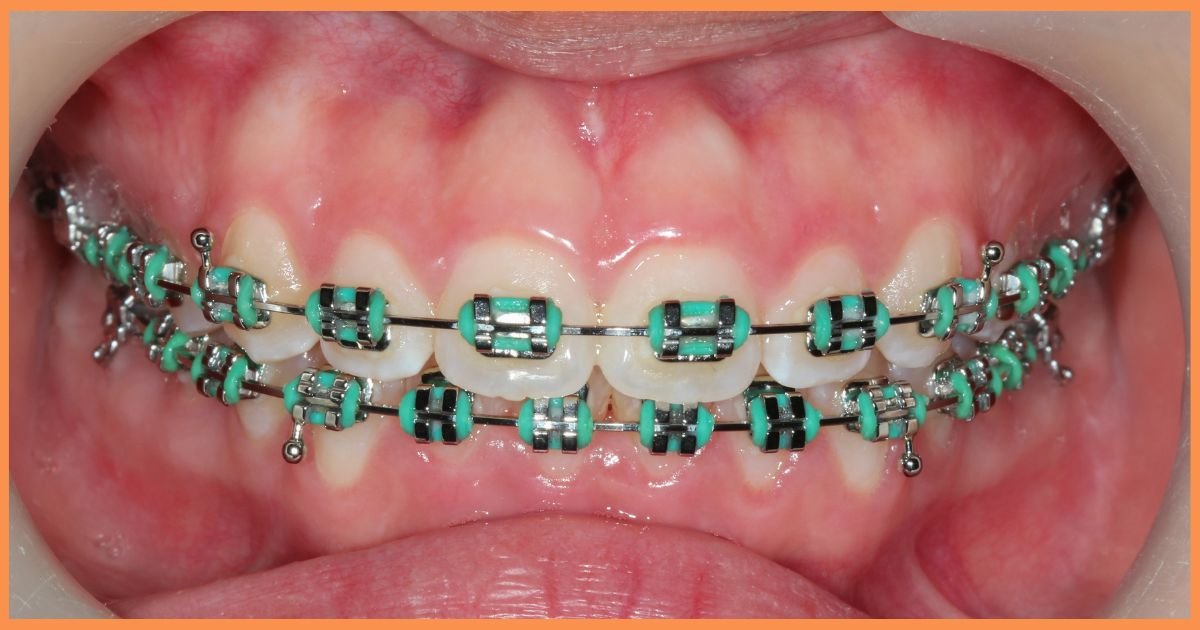
Traditional braces are orthodontic appliances used to gradually move teeth into their correct positions. They consist of small brackets attached to the teeth and connected by an orthodontic wire.
The wire applies controlled pressure, encouraging teeth to move gradually over time. Your orthodontist adjusts the braces periodically to guide this movement.
Braces are available in different types, including:
- Metal braces: These are conventional braces made with metal brackets and wires. They are commonly used for a wide range of orthodontic problems.
- Ceramic braces: These work similarly to metal braces but use tooth-coloured or translucent brackets, making them less noticeable.
- Self-ligating braces: These use a specialised bracket mechanism to hold the orthodontic wire, rather than conventional elastic ties.
Braces remain a widely used option for correcting crowded teeth, gaps, rotated teeth, and various bite-related problems.
What Are Clear Aligners?
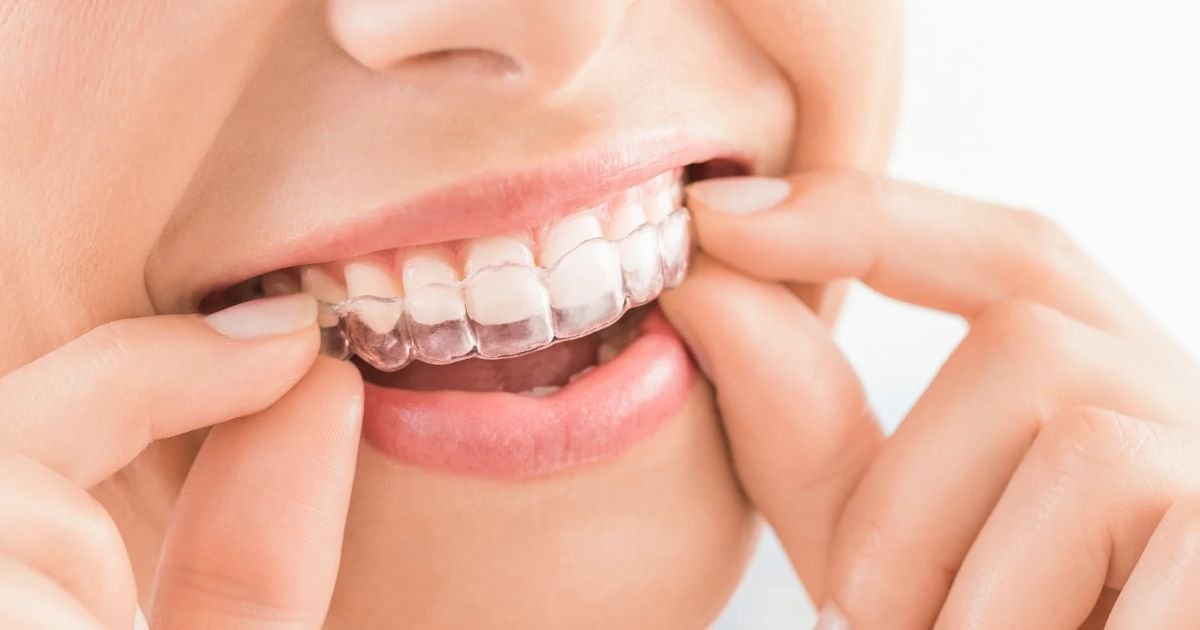
Clear aligners are removable, transparent orthodontic trays designed to move teeth gradually into planned positions.
They are usually made from medical-grade plastic and are customised according to the patient’s dental structure. A series of aligners is created, with each set making small adjustments to tooth positions.
Patients generally move to the next set according to their orthodontist’s instructions.
Some important features of clear aligners include:
- Transparent appearance that makes them less noticeable.
- Removable design for eating and brushing.
- Customised treatment planning.
- Smooth material without traditional brackets and wires.
- Convenient oral hygiene compared with fixed braces.
However, aligners require discipline. They generally need to be worn for around 20 to 22 hours daily, depending on the prescribed treatment plan. Removing them too frequently can affect treatment progress.
Braces vs Clear Aligners: What Is the Difference?
Although both treatments aim to straighten teeth, they differ in how they work, how they feel, and how much responsibility they require from the patient.
Here is a simple comparison to help you understand the differences.
| Feature | Traditional Braces | Clear Aligners |
| Appearance | Visible brackets and wires | Transparent trays |
| Removability | Fixed to teeth | Removable |
| Eating | Certain foods should be avoided | Remove before eating |
| Oral hygiene | Requires extra cleaning around brackets | Easier brushing and flossing |
| Compliance | Work continuously once fitted | Require consistent daily wear |
| Adjustments | Periodic orthodontic appointments | New trays as prescribed |
| Suitability | Suitable for a wide range of cases | Suitable for selected cases |
| Comfort | May cause irritation initially | May cause temporary pressure with new trays |
Neither option is automatically superior. The right choice depends on the orthodontic correction required and the patient’s ability to follow treatment instructions.
When Would an Orthodontist Recommend Braces?
Braces may be recommended when a patient has more complicated alignment or bite-related concerns.
Because braces remain attached to the teeth, they work continuously without depending on the patient remembering to put them back in.
An orthodontist may recommend braces in situations such as:
- Severe Tooth Crowding
When teeth overlap significantly or there is insufficient space in the jaw, braces may provide better control over tooth movement.
- Complex Bite Problems
Conditions such as overbite, underbite, crossbite, and open bite may require detailed orthodontic correction. Braces can be useful in managing many of these conditions.
- Significantly Rotated Teeth
Some teeth are rotated or positioned in ways that require precise movement. Fixed braces can provide orthodontists with greater control in certain situations.
- Significant Tooth Misalignment
When several teeth need coordinated movement, braces may be a suitable treatment option.
- Patients Who May Struggle with Wearing Aligners
Clear aligners only work effectively when worn for the prescribed number of hours. For patients who may frequently remove or forget their trays, fixed braces can be a more practical choice.
It is important to remember that treatment suitability is individual. The orthodontist must examine the teeth, gums, jaw relationship, and available space before making a recommendation.
When Would an Orthodontist Recommend Clear Aligners?
Clear aligners are a popular choice among adults and teenagers who want to improve their smile without wearing traditional braces.
They can be effective for several mild to moderate orthodontic concerns, although some more complex cases can also be treated with aligners under appropriate clinical supervision.
An orthodontist may recommend clear aligners for:
- Mild to Moderate Crowding
When teeth overlap slightly or have minor positioning problems, clear aligners may help create a more aligned smile.
- Small Gaps Between Teeth
Aligners can gradually close certain spaces between teeth, depending on their size and location.
- Minor Bite Corrections
Selected bite problems can be managed using aligners, sometimes with additional orthodontic attachments or other appliances.
- Adults Seeking a Discreet Option
Many working professionals prefer aligners because they are less noticeable during meetings, presentations, and everyday conversations.
- Patients with Good Treatment Discipline
Patients who can wear their aligners consistently, clean them properly, and attend follow-up appointments may be suitable candidates.
However, clear aligners are not simply a cosmetic alternative to braces. They require proper diagnosis, careful planning, and regular monitoring by a qualified orthodontist.
Braces or Aligners: What Would Dr. Harsha Lalit Recommend?
One of the most important things to understand is that an orthodontist does not select treatment based only on appearance or popularity.
At Dr Khullar Dental Clinic, the treatment recommendation should be based on a proper clinical assessment of the patient’s orthodontic condition.
Dr. Harsha Lalit, MDS (Orthodontics), F Orth RCSEd (Edinburgh), PhD, FWFO, FPFA, has orthodontic qualifications and experience that are relevant to the assessment and planning of orthodontic care.
During an orthodontic evaluation, several factors are considered before recommending braces or clear aligners.
1. Your Current Dental Alignment
The orthodontist checks whether your teeth are crowded, spaced, rotated, or positioned incorrectly. The severity of the problem helps determine which treatment may offer better control.
2. Your Bite and Jaw Relationship
Straight teeth do not always mean a healthy bite. Your upper and lower teeth must also meet correctly when you close your mouth.
The orthodontist evaluates problems such as overbite, underbite, crossbite, and open bite.
3. Your Gum and Dental Health
Before starting orthodontic treatment, existing dental problems such as cavities and gum inflammation may need attention.
Healthy gums and adequate oral hygiene are important for successful orthodontic treatment.
4. Your Lifestyle and Daily Routine
If you have a busy professional schedule or prefer a discreet treatment, aligners may be worth considering if clinically suitable.
If you are unlikely to wear removable trays consistently, braces may be a better practical option.
5. Your Treatment Expectations
Some patients are mainly concerned about appearance, while others want to correct chewing difficulties, bite problems, or significant crowding.
Understanding these expectations helps the orthodontist develop an appropriate treatment plan.
The final recommendation should always prioritise dental health, functional improvement, and long-term stability rather than simply choosing the treatment that looks more attractive.
Are Braces Faster Than Clear Aligners?
This is one of the most frequently asked questions during orthodontic consultations.
There is no fixed answer because treatment duration depends on the complexity of the dental problem, the amount of tooth movement required, biological response, and patient cooperation.
In some cases, braces may achieve the desired movement more efficiently because they provide continuous control over the teeth.
Clear aligners may also produce effective results when the case is suitable and the patient follows the prescribed wearing schedule.
Here are some factors that can influence treatment duration:
- Severity of tooth crowding.
- Complexity of bite correction.
- Number of teeth requiring movement.
- Patient compliance with aligner wear.
- Frequency of orthodontic appointments.
- Individual response to orthodontic forces.
Both treatments may take several months or longer, depending on the case. Your orthodontist can provide an estimated timeline after examining your teeth and preparing a treatment plan.
Are Clear Aligners More Comfortable Than Braces?
Comfort is another important consideration when choosing orthodontic treatment.
Clear aligners are made from smooth plastic, so they generally do not have metal brackets or wires that may irritate the cheeks and lips.
However, this does not mean they are completely discomfort-free. Patients may experience pressure or temporary soreness when switching to a new set of aligners.
Traditional braces can also cause mild discomfort after placement or adjustment appointments. Brackets and wires may initially irritate the inside of the cheeks and lips.
The good news is that most patients gradually adjust to their orthodontic appliances.
The level of discomfort varies from person to person and depends on the type and extent of tooth movement.
Do Braces and Aligners Require Special Care?
Yes. Both treatments require good oral hygiene and regular dental supervision.
Oral Care with Braces
If you choose traditional braces, maintaining oral hygiene requires additional attention.
- Brush after meals whenever possible.
- Use an orthodontic toothbrush or appropriate cleaning aids.
- Clean carefully around brackets and wires.
- Use interdental brushes where recommended.
- Avoid hard, sticky, and excessively chewy foods.
- Attend scheduled adjustment appointments.
Food particles can easily become trapped around brackets, increasing the risk of plaque accumulation, cavities, and gum inflammation.
Oral Care with Clear Aligners
Aligners are removable, which makes daily cleaning more convenient. However, patients must follow the correct cleaning routine.
- Remove aligners before eating.
- Brush and floss before putting them back.
- Clean trays according to your orthodontist’s instructions.
- Avoid hot water that could distort the plastic.
- Store aligners in their protective case when removed.
- Wear them for the prescribed number of hours.
Avoid drinking sugary or acidic beverages while wearing aligners. Water is generally the safest choice.
Can Teenagers and Adults Get Braces or Clear Aligners?
Yes. Both teenagers and adults can receive orthodontic treatment, provided their dental and oral health conditions are suitable.
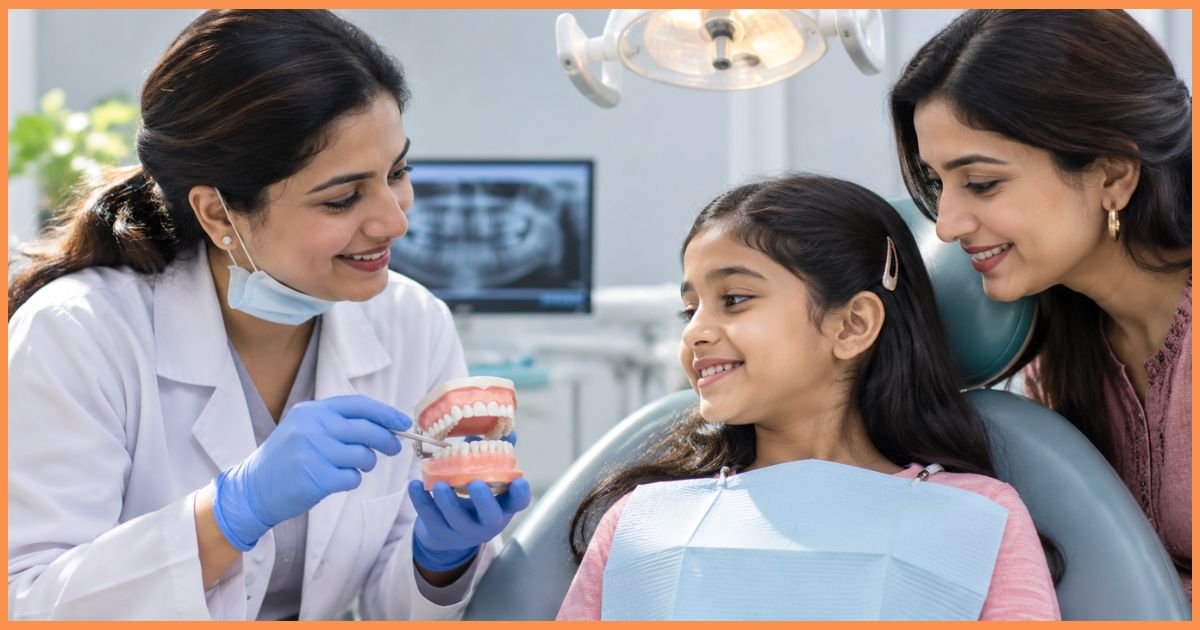
For teenagers: Braces are often considered because they remain in place and do not depend on daily patient compliance. However, specially designed aligners may also be appropriate for selected teenagers.
For adults: Both braces and aligners can help correct dental misalignment. Adults often consider ceramic braces or clear aligners because of their appearance, but the treatment decision should still depend on clinical requirements.
Age alone does not determine whether someone can undergo orthodontic treatment. The condition of the teeth, gums, supporting bone, and overall oral health matters more.
How Much Do Braces and Clear Aligners Cost?
The cost of orthodontic treatment varies depending on the type of appliance, complexity of the case, duration of treatment, and additional procedures that may be required.
Some factors that influence the overall cost include:
- Type of braces or aligners selected.
- Severity of dental misalignment.
- Number of teeth requiring correction.
- Need for additional orthodontic appliances.
- Frequency of follow-up visits.
- Retainers required after treatment.
Clear aligners and different types of braces may have different pricing structures. It is best to discuss the expected treatment cost with your orthodontist after a clinical examination.
What Happens After Braces or Aligner Treatment?
Completing orthodontic treatment is an important milestone, but maintaining the results is equally important.
After braces or aligners are removed, teeth can gradually shift towards their previous positions. This is known as orthodontic relapse.
To reduce this risk, orthodontists generally recommend retainers.
Retainers help maintain the corrected tooth positions while the surrounding bone and supporting tissues adapt.
Depending on your dental condition, your orthodontist may recommend:
- Fixed retainers: Thin wires attached behind selected teeth.
- Removable retainers: Custom-made appliances worn according to the prescribed schedule.
Following retainer instructions is essential for maintaining orthodontic results over time.
Why Is Choosing the Right Orthodontist Important?
Braces and clear aligners are tools used to achieve orthodontic correction. Their effectiveness depends on accurate diagnosis, treatment planning, proper appliance selection, and regular monitoring.
When looking for an Orthodontist in Gurgaon, consider the following:
- Orthodontic qualifications: Check the dentist’s postgraduate qualifications and relevant specialist training.
- Clinical assessment: Treatment should begin with a proper examination rather than a one-size-fits-all recommendation.
- Personalised treatment planning: Your dental alignment, bite, and oral health should guide the treatment.
- Regular monitoring: Orthodontic treatment requires scheduled follow-ups to assess progress.
- Long-term maintenance: Retention and post-treatment care should be included in the treatment discussion.
At Dr Khullar Dental Clinic, patients can discuss their orthodontic concerns and understand the available treatment options with Dr. Harsha Lalit.
Frequently Asked Questions
1. Are braces better than clear aligners?
Neither treatment is universally better. Braces can be suitable for a wider range of complex orthodontic problems, while clear aligners are useful for many mild to moderate cases. The best option depends on your dental condition and treatment goals.
2. Can clear aligners fix severe crowding?
Some complex crowding cases can be treated with clear aligners, but not every patient is a suitable candidate. The orthodontist must evaluate the available space, tooth positions, and bite before recommending aligners.
3. Do clear aligners hurt?
Clear aligners may cause temporary pressure or mild soreness, particularly when starting a new set. This is generally associated with the gradual movement of teeth.
4. Can I eat normally with clear aligners?
Yes. You should remove your aligners before eating. After meals, brush your teeth or clean them properly before putting the trays back in.
5. How many hours should I wear clear aligners?
Most treatment plans recommend wearing aligners for approximately 20 to 22 hours daily. Your orthodontist will provide instructions based on your individual treatment requirements.
6. Can adults get braces?
Yes. Adults can undergo orthodontic treatment at different ages, provided their teeth, gums, and supporting structures are healthy enough for treatment.
7. Do I need retainers after braces?
Yes. Retainers are generally recommended after orthodontic treatment to help prevent teeth from shifting back towards their previous positions.
8. Which is more expensive, braces or clear aligners?
The cost depends on the type of appliance and the complexity of treatment. Clear aligners may cost more in some cases, but pricing varies between treatment plans and providers.
9. How do I choose an orthodontist in Gurgaon?
Look for appropriate orthodontic qualifications, experience in treatment planning, a detailed clinical assessment, transparent communication, and a clear follow-up and retention plan.
10. Can I switch from braces to clear aligners during treatment?
In selected cases, switching may be possible. However, it depends on treatment progress, the remaining tooth movements, and whether the new appliance can achieve the required correction. Any change should be planned and supervised by your orthodontist.
Conclusion
Choosing between braces and clear aligners is not simply about deciding which option looks better. It is about finding a treatment that addresses your dental concerns while fitting your lifestyle and oral health needs.
Traditional braces may be more suitable for certain complex alignment and bite problems, while clear aligners offer a discreet and removable alternative for appropriately selected cases.
The most important step is getting an accurate orthodontic assessment before making a decision.
At Dr Khullar Dental Clinic, Dr. Harsha Lalit can help patients understand their orthodontic concerns and explore suitable treatment approaches. If you are considering braces or clear aligners, a professional evaluation can help you make an informed decision about your smile.
Medically Reviewed By: Dr. Kapil Khullar
Qualifications: BDS, MDS (Conservative Dentistry & Endodontics)
Registration No.: A-4561, Delhi State Dental Council