Orthodontic treatment has become increasingly popular among children, teenagers, and adults who want healthier teeth, a more balanced bite, and a confident smile. Yet, despite advances in modern orthodontics, many people still hesitate to start treatment because of outdated information and common misconceptions.
Some people believe braces are only for children. Others assume orthodontic treatment is always painful, takes several years, or is purely cosmetic. These myths can prevent people from seeking professional advice when they could genuinely benefit from orthodontic care.
At Dr Khullar Dental Clinic, we believe patients should make treatment decisions based on accurate information and an individual assessment rather than assumptions.
In this blog, we discuss five common myths about orthodontic treatment and explain what you should actually know before deciding whether orthodontic care is right for you.
Myth 1: Orthodontic Treatment Is Only for Children and Teenagers
One of the most common misconceptions is that orthodontic treatment is mainly for children.
The reality
There is no general upper age limit for orthodontic treatment. While orthodontic problems may be easier to address during certain stages of childhood and adolescence because the jaws and facial structures are still developing, adults can also benefit from orthodontic treatment.
Adults may seek treatment for:
- Crowded or overlapping teeth
- Gaps between teeth
- Protruding teeth
- Crossbite
- Overbite
- Underbite
- Difficulty cleaning between teeth
- Bite-related discomfort
- Teeth that have shifted over time
- Relapse after previous orthodontic treatment
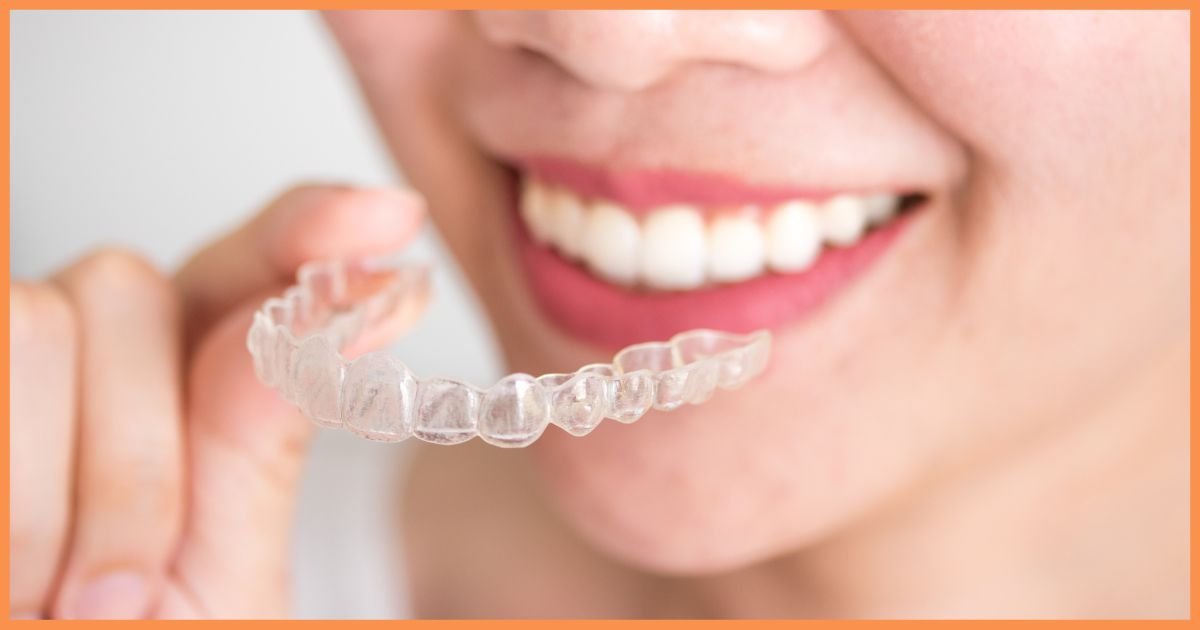
Modern orthodontics also offers discreet treatment options that may be more appealing to adults, including clear aligners and tooth-coloured appliances in suitable cases.
However, the right treatment depends on factors such as the patient’s dental health, bone support, bite, jaw relationship, and the complexity of the orthodontic problem.
If you are considering treatment as an adult, consulting an experienced Orthodontist in Gurgaon can help determine whether orthodontic treatment is appropriate for your specific needs.
Myth 2: Braces Are Extremely Painful
The word “braces” can make some people immediately think of severe pain. This fear often comes from older experiences or stories shared by friends and family.
The reality
Orthodontic treatment can cause some temporary discomfort, particularly after braces are placed or adjusted. This happens because controlled forces are being applied to gradually move teeth.
Patients may experience:
- Mild pressure
- Tenderness around the teeth
- Temporary sensitivity
- Minor irritation from brackets or wires
This discomfort is generally manageable and tends to improve as the mouth adjusts.
Orthodontic treatment is designed to move teeth gradually rather than force them into position quickly. The orthodontist carefully plans the forces applied to the teeth to achieve controlled movement.
If you are worried about discomfort, discuss your concerns during your consultation. Your orthodontic team can explain what to expect at different stages of treatment and provide appropriate advice for managing temporary soreness.
The experience can also vary from person to person depending on the type of orthodontic treatment, individual sensitivity, and the complexity of the case.
Myth 3: Braces Are Only About Making Your Smile Look Better
A straighter smile is certainly one of the visible benefits of orthodontic treatment, but orthodontics is not simply about appearance.
The reality
Orthodontic treatment focuses on the alignment of teeth and the relationship between the upper and lower jaws. Correcting certain bite problems can improve oral function and make maintaining good oral hygiene easier.
Depending on the individual case, orthodontic treatment may help address:
- Crowding
- Excessive spacing
- Deep bite
- Open bite
- Crossbite
- Underbite
- Protruding teeth
- Certain tooth-position problems
When teeth are crowded or significantly overlapped, cleaning certain areas can become more difficult. Proper alignment may make brushing and flossing more effective.
A healthy bite can also contribute to better chewing function and more balanced contact between teeth.
This does not mean orthodontic treatment automatically prevents every dental problem. Good oral hygiene, regular dental check-ups, healthy eating habits, and professional care remain essential throughout and after orthodontic treatment.
For patients looking for an orthodontist in Golf Course Road, an orthodontic consultation should therefore focus on more than just the appearance of the smile. A proper assessment should consider dental health, bite, tooth position, jaw relationships, and long-term oral function.
Myth 4: Orthodontic Treatment Always Takes Several Years
Another common belief is that anyone who gets braces should expect treatment to last several years.
The reality
Orthodontic treatment time varies considerably from one patient to another.
Treatment duration can depend on:
- The severity of the orthodontic problem
- The type of tooth movement required
- The patient’s age and dental development
- Jaw relationships
- Bone and gum health
- The chosen orthodontic system
- Patient cooperation
- Oral hygiene
- Attendance at scheduled appointments
Some relatively straightforward cases may require a shorter treatment period, while more complex bite or alignment problems can take considerably longer.
It is important not to compare your treatment timeline with someone else’s. Two people may appear to have similar crooked teeth but have very different underlying orthodontic problems.
An orthodontist evaluates the complete situation before estimating the likely duration of treatment.
Can patients speed up orthodontic treatment?
Following your orthodontist’s instructions is one of the most important things you can do.
Patients can support efficient treatment by:
- Attending scheduled appointments
- Following instructions regarding elastics or other appliances
- Maintaining excellent oral hygiene
- Avoiding foods that could damage braces
- Wearing aligners for the prescribed amount of time when using clear aligners
- Informing the orthodontic team promptly if an appliance breaks
Treatment should not be rushed simply to reduce the number of months. Teeth need to move in a controlled and biologically appropriate manner.
Myth 5: Once Braces Are Removed, Teeth Stay Straight Forever
Many patients assume that once orthodontic treatment is completed, their teeth will remain permanently in exactly the same position without any additional care.
The reality
Teeth can naturally shift throughout life.
After active orthodontic treatment, the tissues surrounding the teeth need time to adapt to their new positions. This is why retainers are an important part of orthodontic treatment.
Retainers may be removable or fixed, depending on the patient’s needs and the orthodontist’s recommendation.
The purpose of retention is to help maintain the alignment achieved during active treatment.
Why can teeth move after braces?
Several factors can contribute to changes in tooth position, including:
- Natural age-related changes
- Changes in the supporting tissues
- Growth and jaw changes
- Pressure from surrounding structures
- Failure to follow the recommended retainer schedule
This is why orthodontic treatment should be viewed as a process that includes both active tooth movement and long-term retention.
Your orthodontist will explain how and when to wear your retainer based on your individual case.
What Should You Actually Expect From Orthodontic Treatment?
Understanding the treatment process can make the decision less intimidating.
A typical orthodontic journey may include several stages.
1. Initial consultation
Your orthodontist will discuss your concerns and evaluate your teeth, bite, gums, and overall oral condition.
2. Diagnostic assessment
Depending on the case, the orthodontist may recommend photographs, dental X-rays, digital scans, impressions, or other diagnostic records.
These records help the orthodontist understand the position of the teeth and the relationship between the jaws.
3. Treatment planning
Once the assessment is complete, the orthodontist can explain the available treatment options and discuss the expected timeline, limitations, costs, and maintenance requirements.
4. Active treatment
Depending on the case, treatment may involve traditional braces, ceramic braces, clear aligners, or other orthodontic appliances.
5. Regular monitoring
Follow-up appointments allow the orthodontist to monitor tooth movement and make necessary adjustments.
6. Retention
After active treatment, retainers help maintain the achieved alignment.
The exact process varies because orthodontic treatment should be customized to the patient’s individual needs.
Braces vs Clear Aligners: Which Is Better?
There is no single orthodontic treatment that is best for everyone.
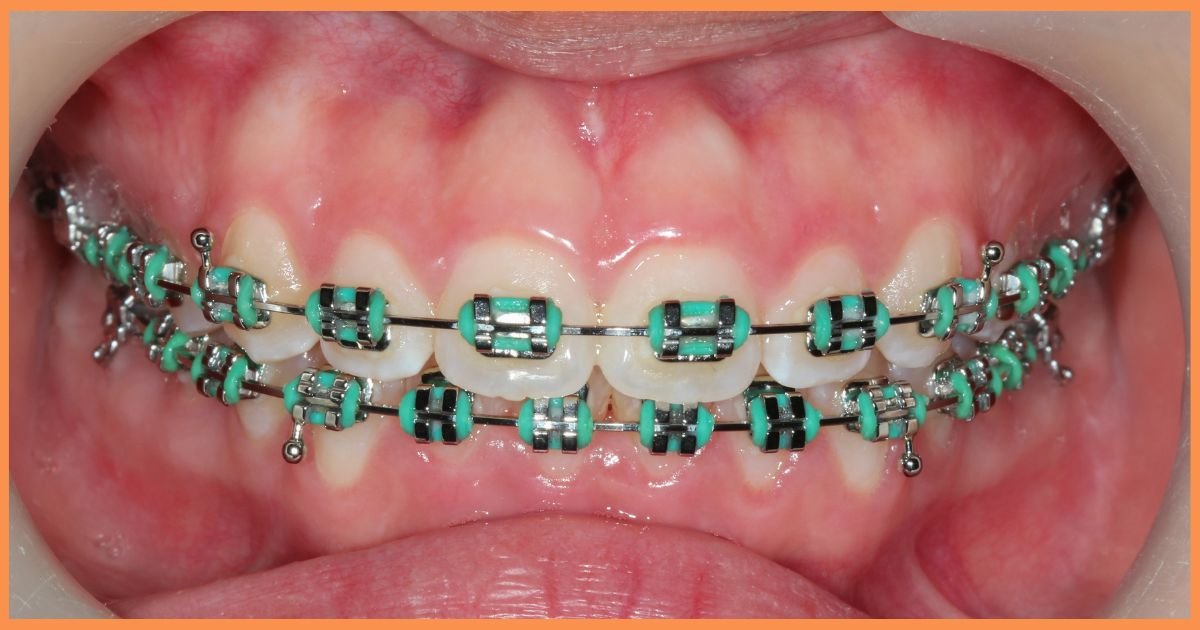
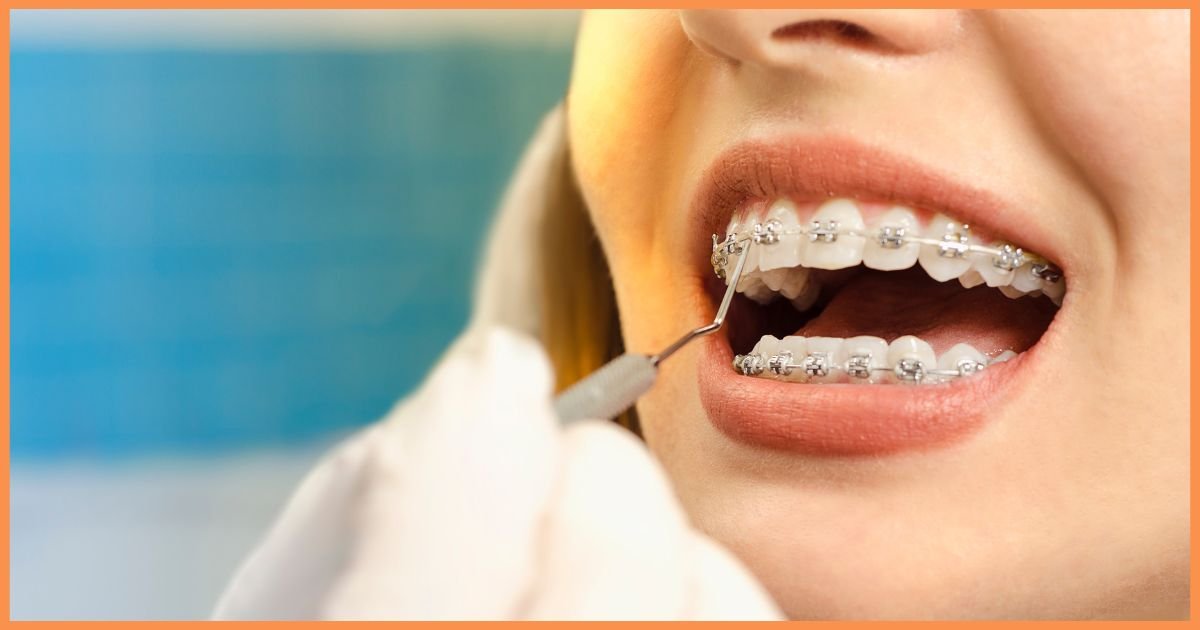
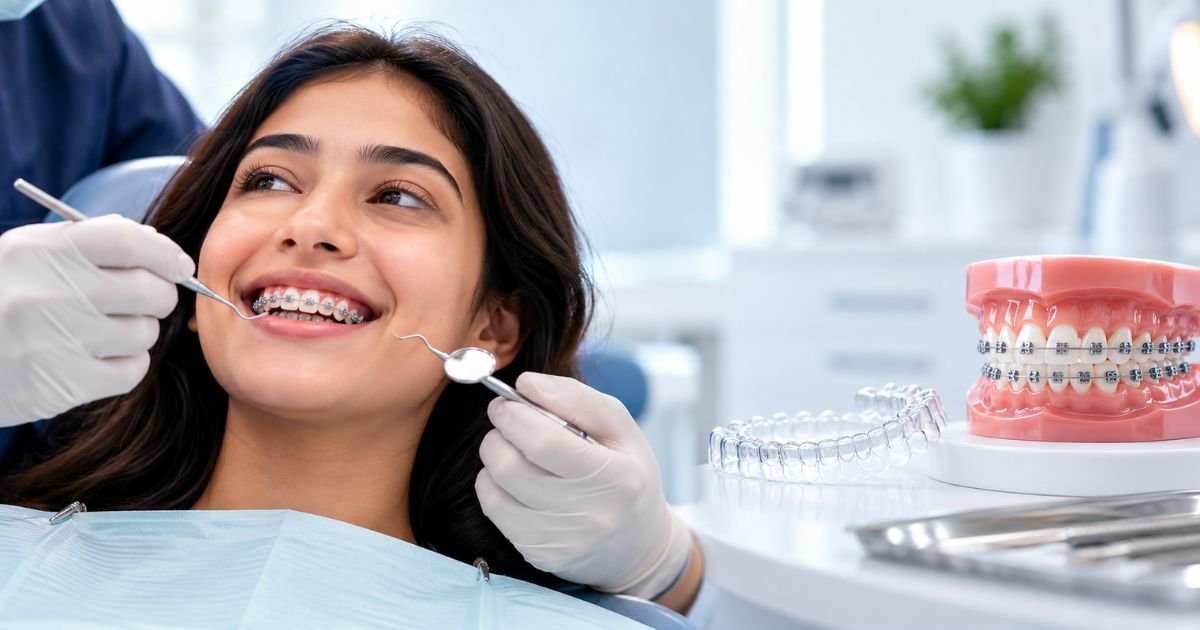
Traditional braces remain an effective option for many orthodontic problems. They use brackets and wires to apply controlled forces to the teeth.
Clear aligners use a series of removable, transparent trays that gradually guide teeth toward planned positions.
The suitability of clear aligners depends on the complexity of the case. Some patients may achieve excellent results with aligners, while others may benefit more from fixed braces or a combination of orthodontic techniques.
Rather than choosing a treatment based solely on appearance or online advertisements, patients should first have their orthodontic condition evaluated by a qualified dental professional.
Orthodontic treatment focuses on correcting misaligned teeth and bite problems. For professional orthodontic guidance, patients can consult Dr. Harsha Lalit, MDS (Orthodontics), F Orth RCSEd (Edinburgh), PhD, FWFO, FPFA, at Dr Khullar Dental Clinic.
When Should You See an Orthodontist?
You may benefit from an orthodontic evaluation if you notice:
- Crooked or crowded teeth
- Large gaps between teeth
- Difficulty biting or chewing
- Teeth that do not meet properly
- Jaw discomfort associated with your bite
- Protruding teeth
- Frequent cheek or tongue biting
- Teeth that have shifted after previous orthodontic treatment
- Concerns about your child’s developing bite
You do not necessarily need to wait until a problem becomes severe.
Early evaluation can help identify orthodontic concerns and determine whether treatment is needed immediately or whether monitoring is more appropriate.
Patients searching for an orthodontist in Sector 54 Gurgaon should look for a clinic where treatment recommendations are based on a proper clinical assessment rather than a one-size-fits-all approach.
How to Choose the Right Orthodontist
Choosing an orthodontist is an important decision because orthodontic treatment can influence your dental function, appearance, and long-term retention.
Before beginning treatment, consider:
Clinical evaluation
Make sure your treatment plan is based on a proper examination and appropriate diagnostic records.
Clear explanation
Your orthodontist should explain the problem, proposed treatment, expected duration, alternatives, limitations, and retention requirements.
Appropriate treatment selection
The latest treatment option is not necessarily the best option for every patient. The treatment should match your clinical needs.
Oral health assessment
Teeth and gums should be healthy enough for orthodontic treatment, and existing dental problems may need to be addressed first.
Long-term planning
Ask what happens after the braces or aligners are completed. Retention is an important part of maintaining orthodontic results.
Frequently Asked Questions About Orthodontic Treatment
Is orthodontic treatment only cosmetic?
No. Although improving smile appearance is an important benefit, orthodontic treatment can also address tooth alignment and bite-related problems. The specific functional benefits depend on the patient’s condition.
Can adults get braces?
Yes. Adults can undergo orthodontic treatment when their teeth, gums, and supporting structures are suitable for treatment. The appropriate approach depends on individual dental and skeletal factors.
Are braces painful?
Some temporary pressure, tenderness, or irritation can occur, particularly after treatment begins or adjustments are made. Severe or persistent pain should be discussed with your dental professional.
How long does orthodontic treatment take?
Treatment duration varies depending on the complexity of the case, the type of treatment, biological factors, and patient cooperation. Your orthodontist can provide an individualized estimate after evaluation.
Do I need retainers after braces?
In most cases, some form of retention is recommended after active orthodontic treatment to help maintain tooth alignment. Your orthodontist will advise you on the appropriate type and wearing schedule.
Are clear aligners suitable for everyone?
No. Clear aligners can be effective for many cases, but their suitability depends on the type and severity of the orthodontic problem. A professional assessment is necessary before choosing this treatment.
The Bottom Line
Orthodontic treatment has evolved significantly, but many outdated myths continue to influence people’s decisions.
Braces are not exclusively for children. Orthodontic treatment does not necessarily involve severe pain, and it is not simply a cosmetic procedure. Treatment duration varies from patient to patient, and maintaining your results requires appropriate retention.
The best way to understand whether orthodontic treatment is right for you is to consult a qualified dental professional who can assess your individual teeth, bite, jaw relationship, oral health, and treatment goals.
At Dr Khullar Dental Clinic, patients can discuss their orthodontic concerns and receive a treatment recommendation based on their individual dental needs rather than common assumptions or internet myths.
If you are considering braces or clear aligners, schedule an orthodontic consultation to understand your options and make an informed decision about your smile and oral health.