A damaged or weakened tooth can make everyday activities like eating, drinking, and speaking uncomfortable. When a dentist recommends treatment, many patients face a common question: should they get the tooth extracted or save it with a dental crown?
Both treatments have their place in dentistry, but they serve different purposes. Tooth extraction removes a tooth that may be severely damaged or impossible to restore, while a dental crown protects and strengthens an existing tooth that still has a healthy enough foundation.
In many situations, preserving your natural tooth is preferable because it helps maintain normal chewing function and prevents unnecessary changes in your bite. However, saving a tooth is not always possible or advisable.
At Dr Khullar Dental Clinic, understanding your dental condition, available treatment options, and long-term oral health goals is important before making a decision. Let’s explore when a dental crown is a better option, when extraction may be necessary, and how to choose the right treatment.
What Is a Dental Crown?
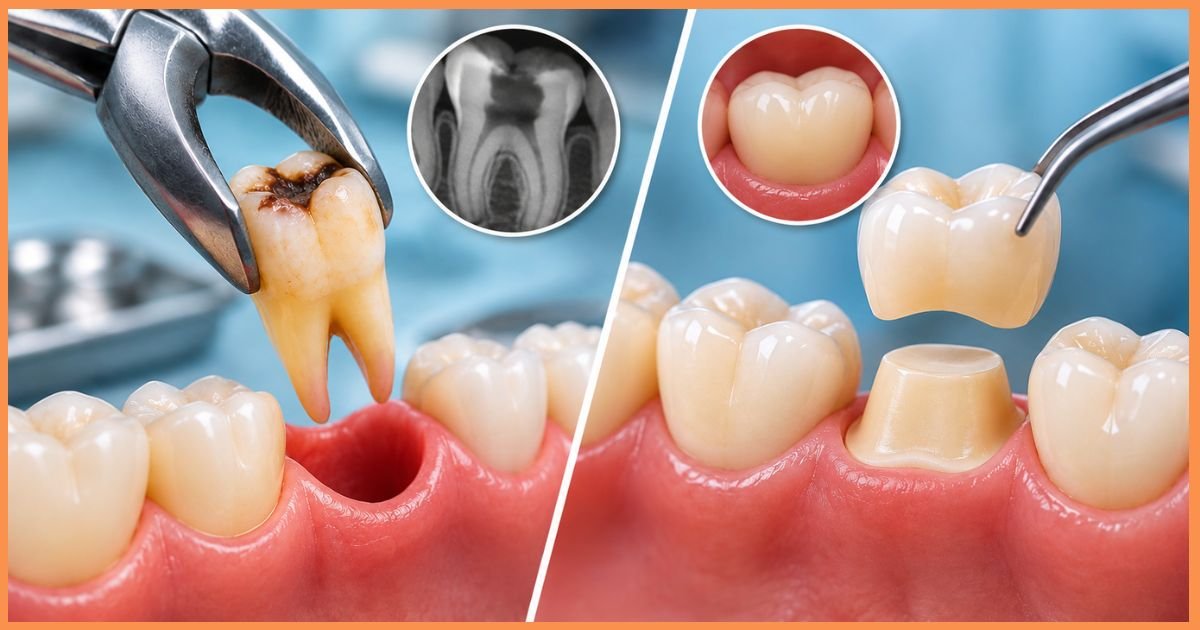
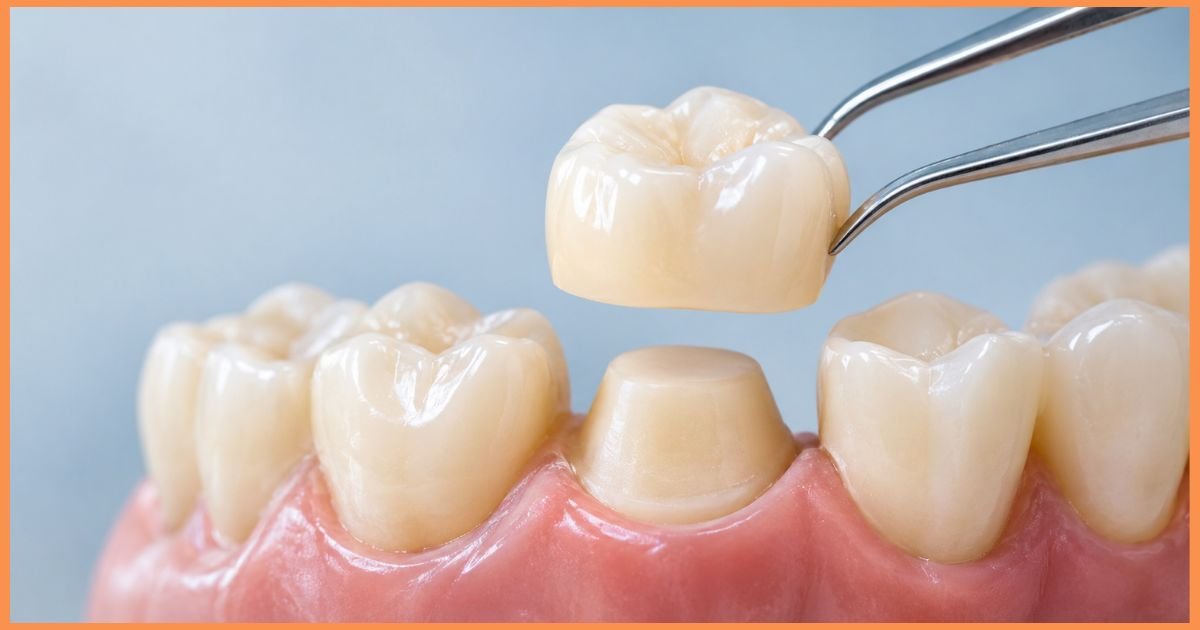
A dental crown is a custom-made covering that fits over a damaged or weakened tooth. It covers the visible portion of the tooth above the gum line and helps restore its shape, strength, appearance, and function.
Dentists commonly recommend crowns when a tooth cannot be adequately protected with a regular filling.
A dental crown may be recommended for:
- Teeth that have become weak after root canal treatment.
- Teeth with large fillings and insufficient remaining natural structure.
- Cracked or severely worn teeth that can still be restored.
- Teeth affected by extensive decay after the damaged portion has been removed.
- Broken teeth where enough healthy tooth structure remains to support a crown.
- Improving the appearance of certain severely discoloured or misshapen teeth.
Crowns are available in different materials, including porcelain, ceramic, zirconia, and metal-based options. Your dentist will recommend a suitable material depending on the tooth’s location, bite pressure, appearance requirements, and clinical condition.
What Does Tooth Extraction Mean?
Tooth extraction is a dental procedure in which a tooth is completely removed from its socket in the jawbone.
It may be necessary when a tooth is too damaged, infected, or structurally weak to be restored successfully.
A dentist may recommend extraction in situations such as:
- Severe tooth decay that has destroyed most of the tooth.
- Extensive fractures extending below the gum line.
- Advanced gum disease causing significant tooth mobility.
- Severe infection when the tooth cannot be predictably treated.
- A tooth with insufficient healthy structure to support restoration.
- Certain wisdom tooth complications.
Extraction can relieve problems associated with an unrestorable tooth. However, removing a permanent tooth also creates a gap that may need further treatment, depending on its position and your overall dental health.
Dental Crown vs Tooth Extraction: What Is the Difference?
Although both procedures address dental problems, their purpose and long-term effects are different.
| Factor | Dental Crown | Tooth Extraction |
| Main purpose | Protect and restore a damaged tooth | Remove a problematic tooth |
| Natural tooth | Preserved | Removed |
| Chewing function | Helps restore normal function | May be affected if the gap is not replaced |
| Procedure | Tooth preparation and crown placement | Removal of the tooth |
| Recovery | Usually involves some temporary sensitivity | Requires healing of the extraction site |
| Additional treatment | May not be needed beyond crown maintenance | Replacement may be considered |
| Best suited for | Teeth that can be predictably restored | Teeth that cannot be predictably saved |
The right option depends on the amount of healthy tooth structure remaining, the condition of the tooth root, the surrounding gums, and the presence of infection.
When Is Getting a Dental Crown Better Than Pulling a Tooth?
A dental crown is often a better option when the tooth is damaged but its roots and supporting structures are healthy enough to maintain it.
Here are some situations where a crown may help preserve your natural tooth.
1. When the Tooth Has Extensive Decay
A tooth with significant decay may still be saved if the dentist can remove the infected portion and enough healthy structure remains.
After removing the decay, the dentist may recommend a crown to cover and protect the remaining tooth.
2. When a Tooth Is Cracked or Broken
A cracked tooth can become weaker over time, particularly when you chew hard foods. If the crack has not extended too deeply into the root, a dental crown may help hold the remaining structure together.
However, not every cracked tooth can be saved. The location and depth of the fracture are important factors.
3. After Root Canal Treatment
A tooth that has undergone root canal treatment may need additional protection, particularly when a significant amount of its natural structure has been lost.
A crown can help protect the remaining tooth from chewing forces and reduce the risk of fracture. The need for a crown depends on the tooth’s location and how much healthy structure remains.
4. When the Tooth Root Is Healthy
The condition of the tooth root plays an important role in deciding whether a crown is suitable.
If the root is stable, the surrounding bone is healthy, and sufficient natural tooth structure remains, restoring the tooth may be a reasonable option.
5. When You Want to Preserve Your Natural Smile
Keeping your natural teeth can help maintain your normal bite, chewing ability, and smile. A dental crown can restore a damaged tooth without removing it.
If your tooth is suitable for restoration, a dentist may recommend a crown instead of extraction.
When Is Tooth Extraction the Better Choice?
Although saving a natural tooth is generally preferred when a predictable result is possible, there are situations where extraction may be the more appropriate treatment.
1. When the Tooth Is Severely Damaged
If decay has destroyed most of the tooth and there is not enough healthy structure to support a crown, restoration may not be successful.
In such cases, extraction may be recommended.
2. When a Tooth Has a Severe Root Fracture
A vertical root fracture can make a tooth difficult or impossible to restore successfully.
If the fracture extends deep into the root, placing a crown may not solve the underlying problem.
3. When Advanced Gum Disease Has Weakened Tooth Support
Healthy gums and supporting bone are essential for keeping teeth stable.
Advanced periodontal disease can cause significant bone loss and tooth mobility. If the tooth has lost too much support, extraction may be necessary.
4. When an Infection Cannot Be Successfully Treated
Some infected teeth can be saved through root canal treatment and appropriate restoration.
However, if the infection cannot be managed or the tooth cannot be restored after treatment, extraction may be recommended to address the problem.
5. When the Tooth Cannot Be Restored Predictably
Sometimes, the remaining tooth structure, fracture location, root condition, or other clinical factors make long-term restoration unrealistic.
In such circumstances, removing the tooth and discussing suitable replacement options may provide a more practical solution.
What Factors Do Dentists Consider Before Recommending a Crown or Extraction?
Choosing between a dental crown and tooth extraction requires a proper clinical examination. Dentists do not make this decision based only on how painful or damaged a tooth appears.
Several important factors are considered.
- Amount of Remaining Tooth Structure
The dentist checks how much healthy natural tooth remains after removing decay or damaged areas. A crown needs adequate support to remain stable.
- Condition of the Tooth Root
The roots must be strong enough to support the restored tooth. Root fractures, severe infections, and other complications can affect the treatment outcome.
- Gum and Bone Health
The surrounding gums and jawbone provide support to the tooth. If these structures are significantly damaged, saving the tooth may become difficult.
- Presence of Infection
The dentist evaluates whether the infection can be treated with appropriate dental procedures, such as root canal treatment.
- Bite and Chewing Pressure
Teeth experience different amounts of pressure during chewing. A dentist considers how the damaged tooth fits into your bite before recommending a restoration.
- Long-Term Treatment Expectations
The expected lifespan of the restoration, maintenance requirements, treatment costs, and available alternatives should also be discussed.
Dental X-rays and other diagnostic tests may be required to understand the condition of the tooth and its surrounding structures.
Are Dental Crowns Better Than Tooth Extraction in the Long Run?
When a tooth can be restored successfully, keeping it often offers important long-term advantages.
Natural teeth provide a comfortable biting experience and help maintain the natural alignment of your remaining teeth.
Some benefits of preserving a natural tooth with a crown include:
- Maintains natural chewing function: You continue using your own tooth for biting and chewing.
- Preserves tooth alignment: Keeping the tooth helps avoid the gap created by extraction.
- Supports natural appearance: A well-designed crown can blend with surrounding teeth.
- Avoids immediate tooth replacement: You may not need an implant, bridge, or denture.
- Maintains natural tooth structure: The original root and supporting structures remain in place when the treatment is successful.
However, a crown is not a permanent guarantee that the tooth will never develop another problem. Crowns can wear, loosen, chip, or require replacement.
The long-term success of treatment depends on proper diagnosis, suitable restoration, and regular oral hygiene.
What Happens If You Pull a Tooth Instead of Getting a Crown?
Removing a permanent tooth may solve the immediate problem, but it can also create other concerns.
When a missing tooth is not replaced, neighbouring teeth may gradually shift towards the empty space. This can affect your bite and make cleaning certain areas more difficult.
Other possible consequences include:
- Difficulty chewing certain foods.
- Changes in the alignment of neighbouring teeth.
- Reduced chewing efficiency.
- Changes in the appearance of your smile, depending on the missing tooth.
- Changes in the jawbone around the extraction site over time.
To prevent some of these issues, your dentist may discuss tooth replacement options.
These can include:
Dental Implants: An implant is placed in the jawbone to support a replacement tooth.
Dental Bridges: A bridge uses neighbouring teeth or implants for support to fill the missing space.
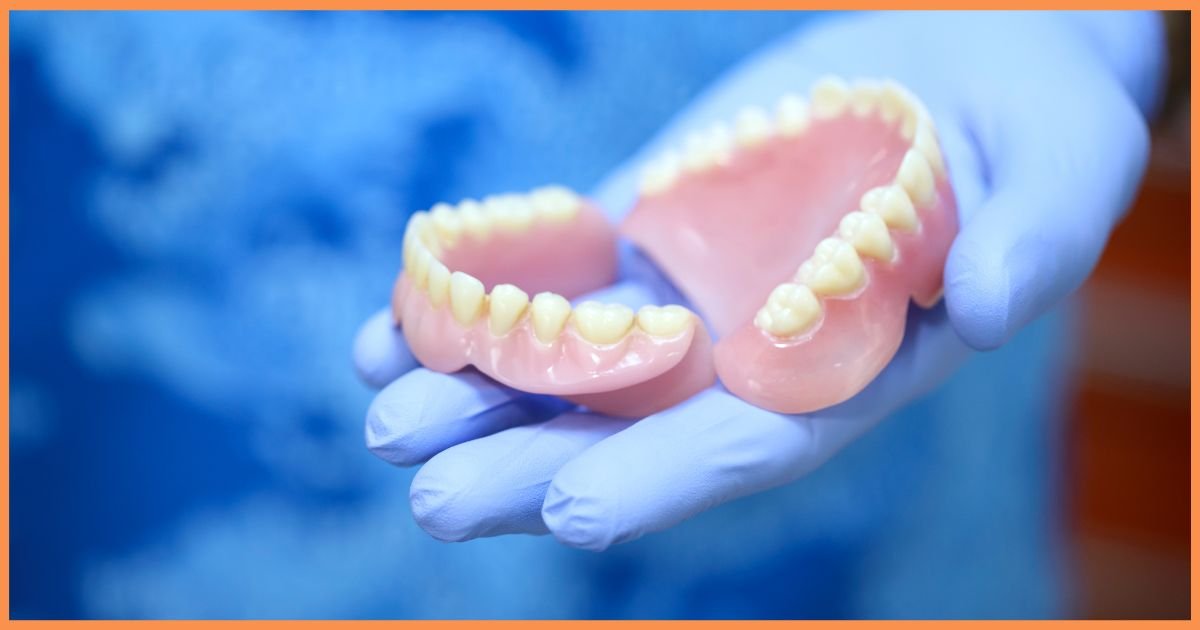
Removable Partial Dentures: These can replace one or more missing teeth and can be removed for cleaning.
The most suitable option depends on your oral health, bone condition, number of missing teeth, and personal preferences.
What Is the Procedure for Getting a Dental Crown?
The process of getting a dental crown usually involves several steps.
Step 1: Dental Examination
Your dentist examines the damaged tooth and may take X-rays to evaluate the roots and surrounding bone.
Step 2: Preparing the Tooth
The damaged or decayed portion is treated, and the tooth is carefully shaped to make space for the crown.
Step 3: Taking an Impression or Digital Scan
An impression or digital scan is taken to create a crown that fits the prepared tooth properly.
Step 4: Temporary Crown Placement
A temporary crown may be placed to protect the prepared tooth while the permanent crown is being made.
Step 5: Permanent Crown Placement
Once the permanent crown is ready, the dentist checks its fit, appearance, and bite before securing it in place.
The exact process and number of appointments depend on the type of crown and the complexity of your dental condition.
How Can You Take Care of Your Dental Crown?
Proper care helps maintain your crown and the natural tooth underneath it.
Follow these simple habits:
- Brush twice daily using a soft-bristled toothbrush.
- Clean between your teeth with dental floss or suitable interdental aids.
- Avoid biting very hard objects such as ice or hard shells.
- Limit frequent sugary snacks and drinks.
- Visit your dentist regularly for check-ups.
- Contact your dentist if your crown feels loose, cracked, or uncomfortable.
- Avoid using your teeth to open packages or bite non-food objects.
Remember that a dental crown protects the visible tooth surface, but the tooth underneath and the surrounding gums can still develop problems.
Where Can You Get Dental Crowns in Gurgaon?
Choosing the right dental clinic is important when deciding whether to restore a damaged tooth or have it removed.
Patients looking for Dental Crowns in Gurgaon should consider a clinic that focuses on proper diagnosis, suitable treatment planning, and long-term oral health.
At Dr Khullar Dental Clinic, patients can discuss their dental concerns and understand the available treatment options based on their individual condition.
A dental examination helps determine whether a damaged tooth can be preserved with a crown, requires root canal treatment, or needs another procedure.
If you are considering Dental Crowns in DLF Phase 3, it is important to seek professional dental advice before deciding on extraction.
Rather than choosing a treatment based only on immediate pain relief, discuss the expected benefits, limitations, costs, and maintenance requirements of each option with your dentist.
The goal should be to select a treatment that supports your oral health and provides a predictable outcome.
How Do You Know Which Treatment Is Right for You?
The simplest way to understand your options is to have the damaged tooth examined by a qualified dentist.
A tooth that looks badly damaged may still be restorable, while a tooth with a small visible crack may have a more serious problem underneath.
Before agreeing to treatment, consider asking your dentist:
- Can my natural tooth be saved?
- Will I need root canal treatment before getting a crown?
- Is there enough healthy tooth structure to support a crown?
- What are the risks of keeping the tooth?
- If extraction is necessary, what are my replacement options?
- What are the expected costs and long-term maintenance requirements?
Having these discussions helps you make an informed decision rather than rushing into an irreversible procedure.
Frequently Asked Questions
1. Is it better to get a crown or pull a damaged tooth?
If the tooth has enough healthy structure and a stable root, getting a crown is often preferable because it preserves your natural tooth. However, extraction may be necessary if the tooth is severely damaged or cannot be restored successfully.
2. Can a dental crown save a badly decayed tooth?
Yes, in some cases. The dentist first removes the decayed portion and evaluates the remaining tooth structure. If sufficient healthy structure remains, a crown may restore and protect the tooth. Root canal treatment may also be needed if the dental pulp is infected.
3. Does getting a dental crown hurt?
The procedure is generally performed under local anaesthesia, so you should not feel significant pain during tooth preparation. Some sensitivity or mild discomfort may occur afterwards, but it usually improves with time.
4. How long does a dental crown last?
A dental crown can last many years, depending on the material, oral hygiene, bite pressure, and regular dental care. Its lifespan varies from patient to patient.
5. What happens if I do not replace an extracted tooth?
Leaving a gap after extraction can sometimes cause neighbouring teeth to shift, affect chewing, and contribute to changes in the jawbone around the missing tooth. Your dentist can help determine whether an implant, bridge, or denture is appropriate.
6. Is a root canal always necessary before getting a crown?
No. A root canal is not required for every dental crown. It is recommended when the tooth’s pulp is irreversibly damaged or infected. A tooth with healthy pulp may only need preparation and crown placement.
7. Can I eat normally after getting a dental crown?
Once the permanent crown is properly placed and any initial sensitivity settles, most patients can return to normal eating habits. However, avoiding extremely hard foods and maintaining good oral hygiene are important.
8. When should I visit a dentist for a damaged tooth?
You should arrange a dental examination if you experience persistent toothache, sensitivity, visible cracks, broken tooth structure, or pain while chewing. Facial swelling, fever, or difficulty swallowing requires urgent medical or dental attention.
Conclusion
Deciding whether to pull a tooth or get a crown depends on the condition of the tooth, its roots, and the surrounding gums and bone.
In many cases, preserving a natural tooth with an appropriate restoration is beneficial. However, extraction may be the safer choice when the tooth is too damaged to be restored predictably.
The best approach is to understand your dental condition before choosing a procedure. A proper examination, suitable investigations, and an honest discussion with your dentist can help you make a decision that supports your long-term oral health.
At Dr Khullar Dental Clinic, patients can seek guidance about restoring damaged teeth and understanding available treatment options. If you are experiencing tooth pain or have a broken tooth, consider getting it examined before the problem becomes more complicated.
Medically Reviewed By: Dr. Kapil Khullar
Qualifications: BDS, MDS (Conservative Dentistry & Endodontics)
Registration No.: A-4561, Delhi State Dental Council