Your oral health plays an important role in your overall well-being. However, many people tend to ignore minor dental concerns such as occasional toothaches, bleeding gums, sensitivity, or small cavities. Since these problems may not cause severe discomfort initially, it is easy to postpone a dental appointment.
But a small dental issue can gradually develop into a more complicated condition if left untreated. A minor cavity, for example, can reach the inner portion of the tooth and eventually require root canal treatment or extraction. Similarly, untreated gum inflammation can progress into gum disease and affect the supporting structures of your teeth.
This is why seeking dental care at the right time is so important. Early diagnosis and timely treatment can help protect your natural teeth, reduce discomfort, prevent expensive procedures, and maintain long-term oral health.
At Dr Khullar Dental Clinic, the focus is on encouraging preventive dental care and helping patients understand why addressing dental problems early can make a significant difference.
Why Is Early Dental Treatment Important?
Dental problems do not always develop overnight. Many oral health conditions progress slowly, often without noticeable symptoms during their initial stages.
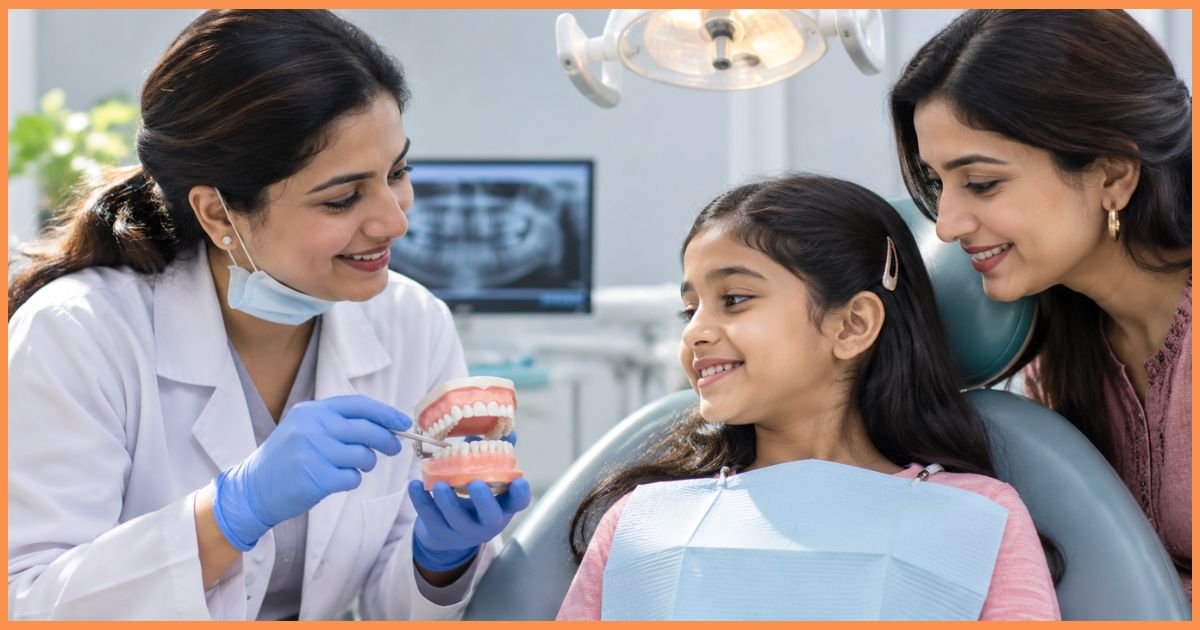
Regular dental check-ups allow a dentist to identify potential problems before they become more serious. Early treatment also provides an opportunity to manage dental conditions with simpler and less invasive procedures.
For instance, treating a small cavity with a dental filling is generally easier than treating advanced tooth decay that has reached the tooth pulp.
Some important benefits of early dental treatment include:
- Prevents complications: Timely care reduces the chances of minor dental problems becoming serious.
- Protects natural teeth: Early intervention can help preserve your original teeth for longer.
- Reduces treatment costs: Simple preventive procedures may help avoid more complex treatments.
- Minimises discomfort: Addressing dental issues early can prevent severe toothaches and infections.
- Supports healthy gums: Early detection helps manage gum inflammation before it progresses.
- Improves overall oral health: Regular dental care keeps your teeth and gums in better condition.
7 Dental Problems That Can Become Bigger Without Early Treatment
Understanding common dental concerns can help you recognise when it is time to visit a dentist.
1. Small Cavities Can Develop Into Severe Tooth Decay
Tooth decay is one of the most common dental problems. It usually begins when bacteria in the mouth produce acids that gradually damage the tooth enamel.
During the early stages, a cavity may not cause noticeable pain. However, as decay progresses, it can reach deeper layers of the tooth and cause sensitivity, discomfort, and infection.
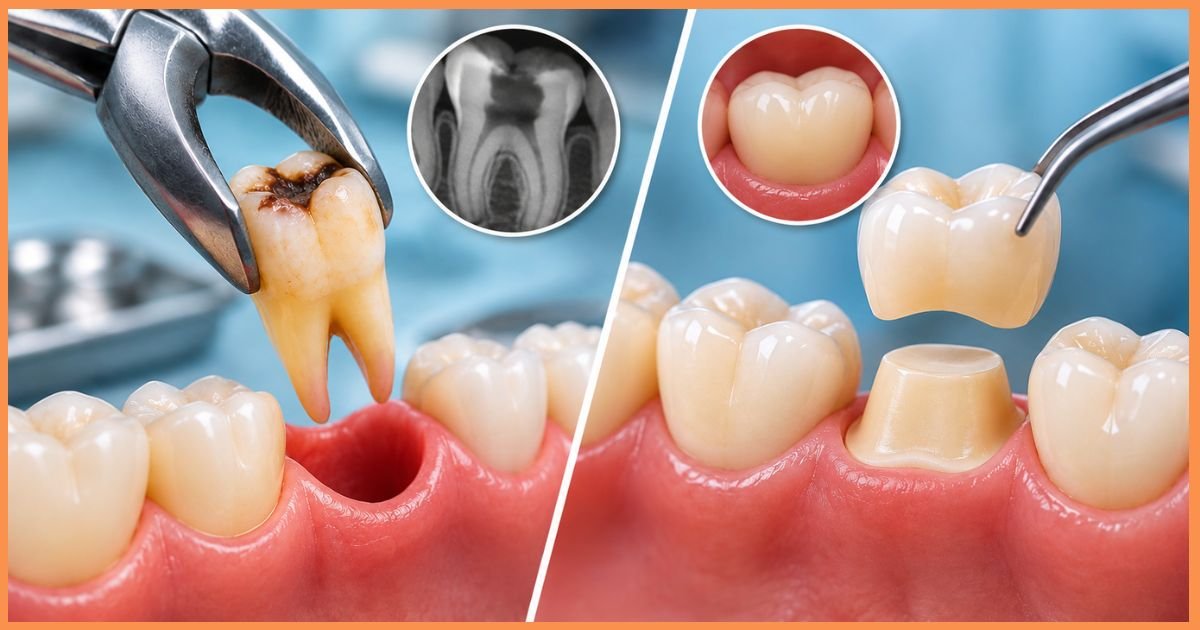
If left untreated, advanced tooth decay may require root canal treatment or even tooth extraction.
Why early treatment matters: A small cavity can often be treated with a dental filling, helping prevent further damage and preserve the natural tooth structure.
2. Bleeding Gums Can Be an Early Sign of Gum Disease
Healthy gums should not bleed regularly while brushing or flossing. If you notice bleeding, redness, swelling, or tenderness, it could indicate gingivitis, an early stage of gum disease.
Without proper oral hygiene and professional care, gingivitis may progress into periodontitis. This advanced condition can damage the tissues and bone supporting your teeth.
In severe cases, untreated gum disease may lead to loose teeth and tooth loss.
Why early treatment matters: Professional cleaning, improved brushing techniques, and appropriate dental care can help manage early gum inflammation and prevent further progression.
3. Tooth Sensitivity May Indicate an Underlying Problem
Do you experience a sharp sensation when eating ice cream, drinking cold water, or consuming hot beverages?
Tooth sensitivity can occur due to enamel erosion, gum recession, exposed tooth roots, cavities, or cracked teeth.
Although occasional sensitivity may seem harmless, persistent discomfort should not be ignored.
Why early treatment matters: Identifying the underlying cause helps your dentist recommend suitable treatment, such as desensitising products, fluoride applications, fillings, or other procedures when required.
4. Cracked or Chipped Teeth Can Become More Damaged
A chipped or cracked tooth may happen because of an accidental injury, biting hard foods, teeth grinding, or weakened tooth structure.
Even if the damage appears minor, a crack can gradually extend and expose the inner layers of the tooth to bacteria.
This may lead to pain, infection, or damage that becomes difficult to repair.
Why early treatment matters: Depending on the severity, your dentist may recommend dental bonding, a filling, or a dental crown to protect the tooth and restore its function.
5. Bad Breath Can Be Linked to Dental Problems
Persistent bad breath, also known as halitosis, is not always caused by the food you eat.
It may be associated with plaque accumulation, gum disease, untreated cavities, dry mouth, or bacterial buildup on the tongue.
Using mouth fresheners may temporarily mask the smell without addressing the underlying cause.
Why early treatment matters: A dental examination can help identify oral causes of bad breath and guide appropriate treatment and hygiene practices.
6. Ignoring Tooth Pain Can Lead to Dental Infection
Tooth pain is one of the most common reasons people visit a dental clinic. However, some individuals delay treatment by relying on temporary pain relief.
Toothache may result from deep cavities, damaged teeth, infected dental pulp, or gum problems.
When bacteria reach the inner part of the tooth, an infection or dental abscess may develop. This can cause swelling, severe pain, and sometimes fever.
Why early treatment matters: Prompt dental evaluation helps identify the cause of pain and determine whether a filling, root canal treatment, or another procedure is necessary.
7. Misaligned Teeth Can Affect More Than Your Smile
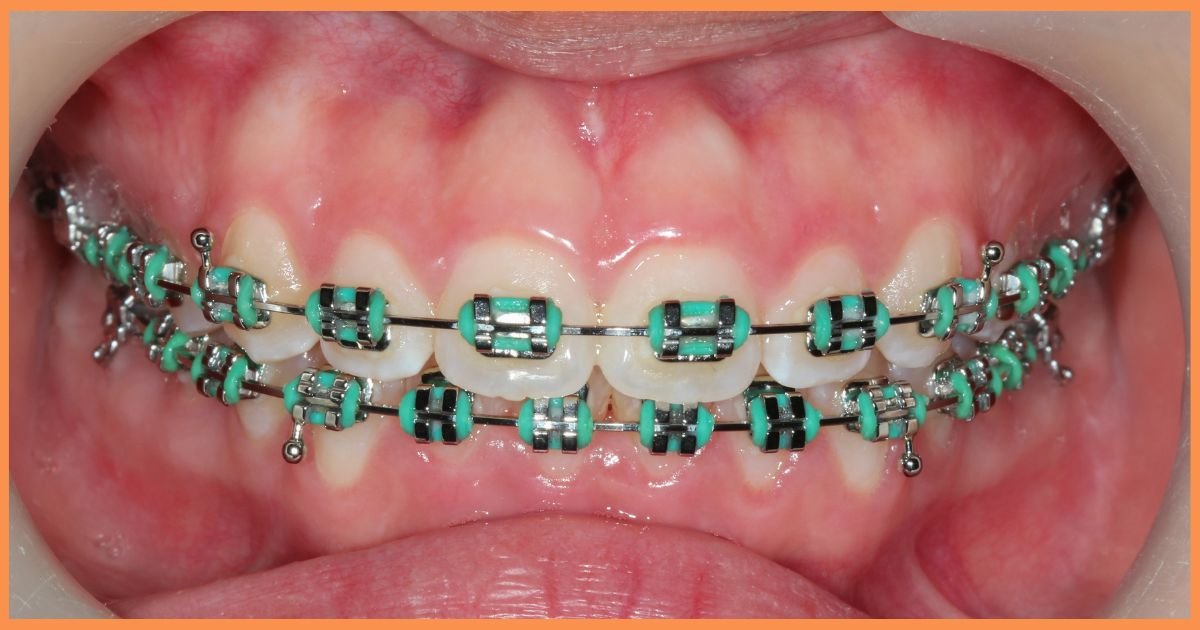
Crooked, crowded, or misaligned teeth are not just cosmetic concerns. They can make brushing and flossing difficult, allowing plaque to accumulate in hard-to-reach areas.
Some people may also experience uneven biting pressure, difficulty chewing, or increased tooth wear.
Why early treatment matters: An orthodontic assessment can help identify alignment concerns and determine whether braces, clear aligners, or other treatment options may be appropriate.
How Regular Dental Check-Ups Help Prevent Serious Problems
Many dental conditions are easier to manage when identified early. However, not every problem causes pain or visible changes in its initial stages.
This is where regular dental check-ups become important.
During a routine examination, your dentist may:
- Check for cavities, cracks, and damaged fillings.
- Examine your gums for signs of inflammation or infection.
- Assess plaque and tartar accumulation.
- Evaluate existing dental restorations.
- Check your bite and tooth alignment.
- Recommend dental X-rays when clinically necessary.
- Suggest preventive treatments based on your oral health needs.
The frequency of dental visits depends on individual risk factors and oral health conditions. Your dentist can recommend an appropriate follow-up schedule.
Early Dental Treatment vs Delayed Dental Treatment
Understanding the difference between timely and delayed dental care can help you make better decisions about your oral health.
| Early dental treatment | Delayed dental treatment |
| Small cavities may need simple fillings | Advanced decay may need root canal treatment |
| Early gum inflammation is easier to manage | Advanced gum disease may damage supporting bone |
| Minor tooth damage may be repaired | Severe cracks may require crowns or extraction |
| Pain and discomfort may be prevented | Dental infections may develop |
| Often involves simpler procedures | May require more complex treatment |
The exact treatment depends on the severity of the condition, but early attention generally provides more opportunities to preserve natural teeth.
Simple Daily Habits to Prevent Dental Problems
Professional dental care is important, but your daily oral hygiene routine also plays a major role in maintaining healthy teeth and gums.
Here are some practical habits to follow:
- Brush twice a day: Use a soft-bristled toothbrush and fluoride toothpaste. Brush gently for approximately two minutes.
- Floss regularly: Clean between your teeth daily to remove food particles and plaque that a toothbrush may not reach.
- Limit sugary foods and drinks: Frequent sugar consumption increases the risk of tooth decay.
- Drink enough water: Water helps maintain moisture in the mouth and supports normal saliva production.
- Avoid tobacco products: Tobacco use can increase the risk of gum disease, oral cancer, and other oral health complications.
- Do not ignore dental symptoms: Bleeding gums, persistent bad breath, tooth sensitivity, and recurring tooth pain deserve attention.
- Schedule regular dental visits: Professional examinations and cleaning can help identify problems before they become more complicated.
When Should You Visit a Dentist?
You should consider scheduling a dental appointment if you experience:
- Persistent or recurring toothache.
- Bleeding, swollen, or painful gums.
- Sensitivity to hot and cold foods.
- Visible holes or dark spots on your teeth.
- Persistent bad breath.
- Loose or chipped teeth.
- Pain while chewing.
- Swelling around the gums or jaw.
Some symptoms require urgent attention. Facial swelling, fever associated with dental pain, or difficulty swallowing or breathing should not be ignored. Difficulty breathing or swallowing requires immediate emergency medical care.
Remember, dental pain is not always a reliable indicator of how serious a problem is. Some conditions can progress without causing significant discomfort.
Why Choosing the Right Dentist Matters

Choosing a qualified dental professional is an important part of maintaining good oral health. A proper dental examination helps identify the cause of a problem rather than simply addressing its symptoms.
If you are searching for a Dentist in Gurgaon, consider factors such as professional qualifications, clinical experience, hygiene standards, diagnostic approach, and clear communication about treatment options.
At Dr Khullar Dental Clinic, patients can seek guidance about their dental concerns and understand the treatment options that may be suitable for their individual oral health needs.
The right dental care approach should always focus on accurate diagnosis, evidence-based treatment, patient safety, and preserving natural teeth whenever clinically possible.
Frequently Asked Questions (FAQs)
1. Why should I treat dental problems early?
Early dental treatment helps prevent minor concerns such as cavities, gum inflammation, and tooth sensitivity from progressing into more serious conditions. It may also reduce the need for complicated dental procedures.
2. How often should I visit a dentist?
Many people benefit from routine dental examinations every six months. However, the ideal frequency depends on individual oral health, dental history, and risk factors. Your dentist can recommend a suitable schedule.
3. Can a small cavity heal on its own?
Once a cavity has formed and damaged the tooth structure, it generally requires professional assessment and treatment. Very early enamel changes without a cavity may sometimes be managed or reversed through fluoride and improved oral hygiene.
4. Is bleeding while brushing normal?
No. Regular bleeding while brushing or flossing may indicate gum inflammation or another underlying issue. It is advisable to have your gums examined by a dentist.
5. Can delaying a root canal make the infection worse?
Yes. If the dental pulp is infected and treatment is delayed, the infection may spread to surrounding tissues and potentially form an abscess. However, not every deep cavity requires a root canal. The appropriate treatment depends on the clinical examination.
6. Is professional dental cleaning necessary if I brush daily?
Yes. Brushing and flossing help control plaque, but hardened deposits called tartar cannot usually be removed with a regular toothbrush. Professional cleaning may be recommended depending on your gum health and oral hygiene needs.
7. Can early dental treatment save my natural teeth?
In many cases, early diagnosis and appropriate treatment can help preserve natural teeth. However, the outcome depends on the extent of decay, infection, structural damage, and overall oral health.
Conclusion: Small Dental Problems Deserve Early Attention
Good dental health is not just about having an attractive smile. It is also about protecting your ability to eat, speak, and enjoy everyday activities comfortably.
Ignoring minor dental symptoms can allow underlying conditions to progress. A small cavity may become deep tooth decay, mild gum inflammation may develop into advanced gum disease, and a minor crack may eventually compromise the tooth.
The best approach is to pay attention to changes in your oral health, maintain good daily hygiene, and schedule regular dental examinations.
Dr Khullar Dental Clinic encourages patients to understand the importance of preventive dentistry and timely dental care. Taking action when a problem is still small can make a meaningful difference in protecting your natural teeth and maintaining long-term oral health.
Medically Reviewed By: Dr. Kapil Khullar
Qualifications: BDS, MDS (Conservative Dentistry & Endodontics)
Registration No.: A-4561, Delhi State Dental Council