Losing multiple teeth can affect much more than your smile. It can make chewing difficult, alter speech, affect facial appearance, and reduce confidence in everyday situations. Fortunately, dentures have evolved significantly over the years. Modern dentures are designed to look more natural, fit more comfortably, and provide better function than traditional options.
But what is the newest type of dentures available today? The answer depends on your oral health, the number of missing teeth, your jawbone condition, and whether you are suitable for dental implants.
For patients exploring Dentures in Gurgaon, understanding the latest denture technologies can help you make a more informed decision with your dentist.
What Is the Newest Type of Dentures?
One of the most advanced developments in removable tooth replacement is digital dentures, particularly digitally designed and milled or 3D printed dentures.
Unlike conventional dentures, which are created largely through manual impressions and laboratory procedures, digital dentures use technologies such as:
- Digital oral scanning
- Computer-aided denture design
- CAD/CAM technology
- Digital bite analysis
- Computer-controlled milling
- 3D printing
These technologies allow the dentist and dental laboratory to plan the denture more precisely and reproduce the denture design when required.
However, digital dentures are not automatically the best choice for every patient. A thorough clinical examination is still essential to determine which type of denture is appropriate.
What Are Digital Dentures?
Digital dentures are dentures designed using computer-based workflows rather than relying entirely on traditional manual techniques.
A dentist may capture digital information about the patient’s mouth using an intraoral scanner or other digital records. These records can then be used to create a virtual model of the patient’s teeth, gums, bite, and jaw relationship.
The denture can subsequently be designed digitally before being manufactured.
This approach can provide several advantages, including improved consistency, easier modification of the digital design, and the ability to reproduce a denture if the original is lost or damaged.
Are Digital Dentures Better Than Traditional Dentures?
Not necessarily in every case.
Traditional dentures have been successfully used for decades, and an experienced dentist can create highly functional and natural-looking conventional dentures.
The advantage of digital dentistry is that it introduces greater digital control and reproducibility into the process.
The right choice depends on factors such as:
- Number of missing teeth
- Gum and bone condition
- Jaw anatomy
- Bite relationship
- Previous denture experience
- Facial aesthetics
- Ability to maintain oral hygiene
- Budget
- Whether implants are being considered
A dentist should assess these factors before recommending a particular denture system.
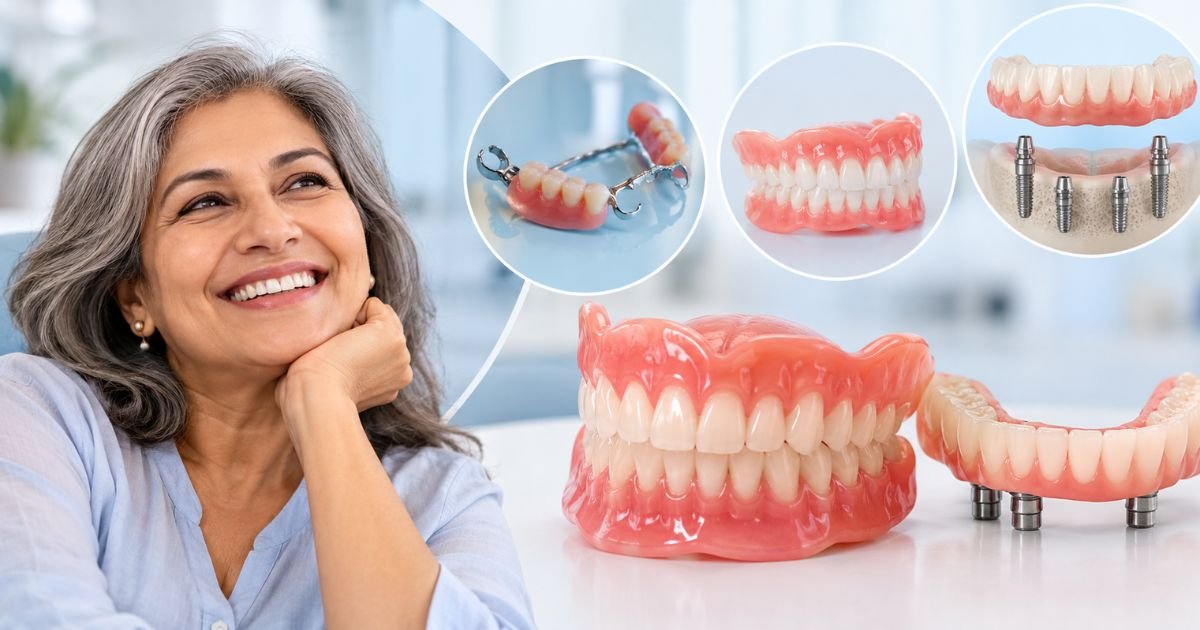
What Are the Different Types of Modern Dentures?
Modern dentistry offers several denture options. The most appropriate solution depends on how many teeth are missing and how much healthy tooth and bone structure remains.
1. Digital Dentures
Digital dentures are among the newest developments in removable prosthodontics.
They use digital records and computer-aided design to plan the denture. Depending on the workflow used by the dental laboratory, the final prosthesis may be milled from a denture disc or produced using advanced 3D printing technology.
Potential benefits include:
- Digital planning
- Consistent manufacturing
- Improved reproducibility
- Efficient laboratory workflows
- Possibility of storing digital records
- Easier reproduction in certain circumstances
Digital dentures can be particularly useful for patients who require complete dentures and want to explore a modern denture workflow.
2. Implant-Supported Dentures
For patients who have sufficient bone and are medically suitable for implants, implant-supported dentures can provide considerably greater stability than conventional removable dentures.
Instead of relying entirely on suction or adhesive, the denture attaches to dental implants positioned in the jaw.
This can help reduce:
- Denture movement
- Difficulty chewing
- Instability while speaking
- The need for frequent denture adhesive
There are different implant-supported denture designs, including removable overdentures and fixed full-arch implant restorations.
However, implant treatment involves surgery and requires careful assessment of bone volume, gum health, systemic health, and other factors.
3. Flexible Dentures
Flexible dentures are made using flexible thermoplastic materials rather than conventional rigid acrylic in certain designs.
They can be useful in selected partial denture cases and may provide a different aesthetic and comfort experience.
However, flexible dentures are not suitable for every situation. Their indications depend on the patient’s missing teeth, bite, gum condition, and long-term treatment requirements.
4. Partial Dentures
Partial dentures are used when some natural teeth remain.
They replace missing teeth while using the remaining teeth and oral tissues for support. Depending on the design, partial dentures can be made using acrylic, metal frameworks, or other materials.
A properly designed partial denture should not simply replace missing teeth. It should also consider the patient’s bite, remaining teeth, gum health, and long-term oral function.
5. Complete Dentures
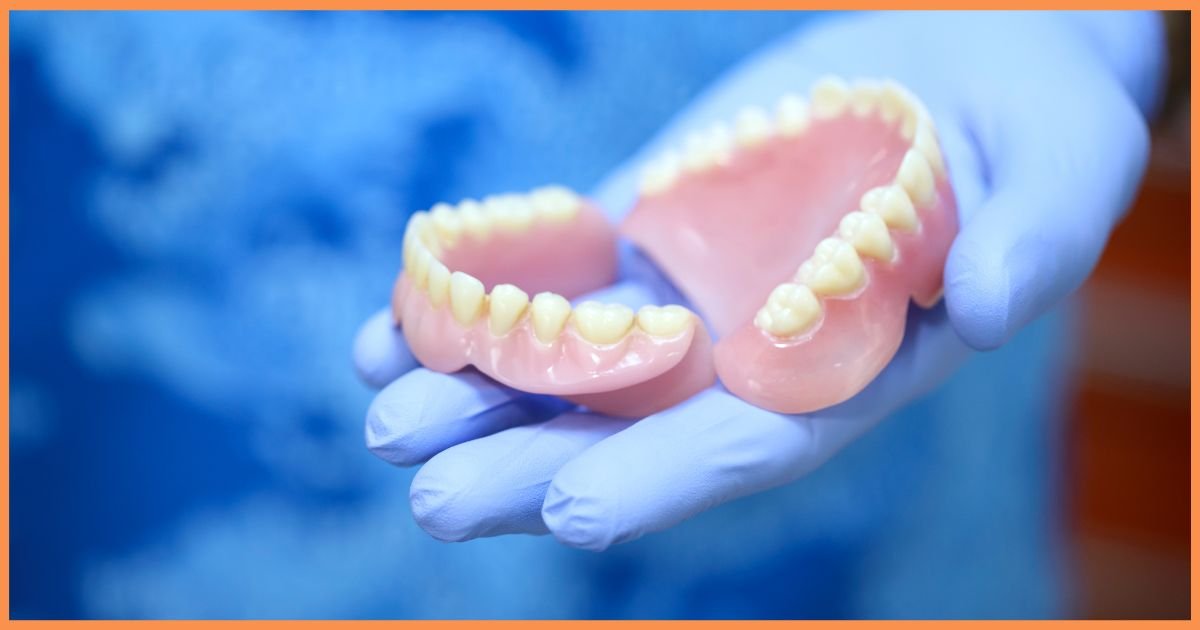
Complete dentures replace all teeth in either the upper jaw, lower jaw, or both.
Modern complete dentures can be carefully designed to replicate natural tooth proportions, improve facial support, and create a more natural-looking smile.
Digital workflows may also be used in the planning and manufacturing of complete dentures.
Are 3D Printed Dentures the Newest Dentures?
3D printing is one of the important advances in modern denture manufacturing.
A digital denture can be designed on a computer and manufactured using additive manufacturing technology. This can allow dental laboratories to produce components with a high degree of digital consistency.
However, “3D printed dentures” is not a single universal category. Different laboratories may use different printing materials, workflows, and post-processing techniques.
The quality of the final denture depends on much more than the printer. Clinical diagnosis, digital records, denture design, material selection, manufacturing, finishing, and clinical adjustments all matter.
How Do Digital Dentures Work?
A typical digital denture workflow may involve several stages.
Step 1: Dental Examination
The dentist examines the teeth, gums, jawbone, oral tissues, bite, and overall oral health.
Existing dentures, if any, may also be evaluated.
Step 2: Digital Records
Depending on the clinical situation, digital scans, photographs, jaw relation records, and other measurements may be obtained.
Step 3: Digital Design
The dental laboratory creates a virtual denture design based on the clinical information.
The position, size, shape, and arrangement of the artificial teeth can be planned digitally.
Step 4: Manufacturing
The denture may be manufactured through milling, 3D printing, or a combination of digital and conventional techniques.
Step 5: Clinical Fitting
The dentist evaluates the fit, bite, aesthetics, speech, and comfort.
Adjustments may still be required because even advanced digital dentures need proper clinical verification.
What Are the Benefits of Newer Denture Technology?
Modern denture technology can offer several advantages.
More Controlled Digital Planning
Digital tools allow the dentist and laboratory to visualize and plan the denture before manufacturing.
Better Reproducibility
One major advantage of digital dentures is that digital design information can potentially be retained for future reproduction.
This can be particularly useful if a denture is lost or damaged.
Improved Aesthetic Planning
Digital workflows can help with tooth positioning, smile design, tooth proportions, and overall denture appearance.
Potentially Efficient Manufacturing
Computer-controlled manufacturing can streamline certain laboratory procedures.
Better Communication
Digital records can make communication between the dentist and dental laboratory more structured.
What Is the Most Natural-Looking Type of Denture?
There is no single denture that looks natural for every patient.
A natural-looking denture depends on several factors, including:
- Tooth shape
- Tooth colour
- Tooth size
- Tooth position
- Gum appearance
- Facial proportions
- Smile line
- Lip support
- Age-appropriate tooth characteristics
- Individual facial features
The dentist should design the denture around the patient’s face rather than simply selecting a standard tooth arrangement.
This is where clinical experience remains extremely important, even when advanced digital technology is used.
How Long Do Modern Dentures Last?
The lifespan of a denture varies considerably between patients.
Factors that can affect longevity include:
- Material used
- Quality of fabrication
- Daily wear
- Oral hygiene
- Changes in the gums and jawbone
- Denture fit
- Changes in bite
- Whether the denture is regularly maintained
Even if the denture itself remains intact, the mouth can change over time. Gum and bone resorption may alter the fit.
Therefore, regular dental check-ups remain important for denture wearers.
Can Dentures Be Made Without Implants?
Yes.
Conventional complete and partial dentures do not require dental implants.
However, implants may be recommended when additional stability is required and the patient is a suitable candidate.
For example, some patients with loose lower dentures may benefit from implant-supported overdentures.
The decision should be based on an individual examination rather than simply choosing the newest technology.
Are Implant-Supported Dentures Better Than Regular Dentures?
For selected patients, implant-supported dentures can provide better stability and retention.
They can make everyday activities such as chewing and speaking more comfortable for some patients.
However, they involve surgical implant placement and additional treatment costs. Patients also need adequate bone and healthy oral tissues, although certain patients with reduced bone volume may still be candidates for treatment after appropriate planning.
A dentist should evaluate the advantages and limitations of both options before recommending treatment.
Who Is a Good Candidate for Digital Dentures?
Digital dentures may be suitable for patients who:
- Need complete dentures
- Need replacement dentures
- Want to explore a digital denture workflow
- Have suitable oral anatomy for the planned prosthesis
- Are looking for a modern approach to denture fabrication
However, digital dentistry does not eliminate the need for clinical assessment.
Patients with complex jaw relationships, severely resorbed ridges, oral disease, or other complications may require additional procedures or a different treatment approach.
What Should You Ask Your Dentist Before Getting Dentures?
Before deciding on dentures, consider asking:
- Which type of denture is suitable for me?
- Would conventional or digital dentures be better in my case?
- Do I need a partial or complete denture?
- Would implants improve denture stability?
- How will the denture affect my speech and chewing?
- What materials will be used?
- How long is the expected lifespan?
- Will adjustments or relining be required?
- What maintenance will I need?
- What will happen if the denture becomes loose over time?
These questions can help you understand the treatment rather than choosing a denture based only on its technology or appearance.
Finding Dentures in New Gurgaon
If you are looking for Dentures in New Gurgaon, it is important to choose a dental clinic that evaluates your complete oral condition rather than recommending a particular denture type solely because it is newer.
A comprehensive consultation can help determine whether conventional dentures, digital dentures, partial dentures, or an implant-supported option is appropriate for you.
Dentures in Sector 54 Gurgaon
Patients searching for Dentures in sector 54 Gurgaon can also benefit from a professional prosthodontic evaluation before beginning treatment.
The right denture should provide a balance between aesthetics, comfort, stability, chewing efficiency, and long-term oral health.
A properly planned denture should also complement your facial appearance and support your lips naturally without creating an artificial or bulky appearance.
Why Choose Dr Khullar Dental Clinic for Dentures?
At Dr Khullar Dental Clinic, denture treatment should begin with understanding the patient’s individual needs rather than simply selecting the latest available technology.
The dentist can assess your remaining teeth, gums, jawbone, bite, facial proportions, and expectations before discussing suitable replacement options.
Depending on your clinical condition, treatment may involve conventional dentures, digitally planned dentures, partial dentures, or implant-supported solutions.
The goal is to provide a denture that is functional, comfortable, stable, and aesthetically appropriate for the individual patient.
Frequently Asked Questions
What is the newest type of denture?
Digital dentures are among the newest developments in removable denture treatment. They use digital scanning, computer-aided design, and advanced manufacturing methods such as milling or 3D printing.
Are digital dentures better than regular dentures?
Not necessarily for every patient. Digital dentures offer advantages such as digital planning and reproducibility, but conventional dentures can also provide excellent results when properly designed and fitted.
Are 3D printed dentures safe?
3D printed dentures can be safe when appropriate dental materials, validated manufacturing processes, and proper clinical protocols are used. The dentist and dental laboratory should select materials suitable for their intended use.
Do digital dentures feel more comfortable?
They may provide excellent fit when properly planned and fabricated, but comfort depends on the patient’s anatomy, denture design, fit, bite, and clinical adjustments.
Can I get dentures if I have no teeth?
Yes. Complete dentures can replace all missing teeth. Depending on your bone condition and overall health, implant-supported options may also be considered.
How often should dentures be checked?
Regular dental examinations are recommended because the tissues supporting dentures can change over time. Your dentist can assess the fit, bite, oral tissues, and condition of the denture.
Final Thoughts
The newest denture technology is not simply about replacing acrylic with a newer material. The major advancement is the integration of digital scanning, computer-aided design, advanced manufacturing, and more precise treatment planning into denture care.
Digital and 3D-printed dentures can offer important advantages, but the best denture is ultimately the one that is appropriate for your oral anatomy, functional needs, aesthetics, and long-term oral health.
If you are considering dentures, consult Dr Khullar Dental Clinic for a comprehensive assessment and discuss which denture option is most suitable for your individual needs.
Medically Reviewed By: Dr. Kapil Khullar
Qualifications: BDS, MDS (Conservative Dentistry & Endodontics)
Registration No.: 4561A-Delhi State Dental Council