A straighter smile is one of the most common reasons people consider orthodontic treatment. Many patients who visit Dr Khullar Dental Clinic ask a simple question: “Will braces make my teeth 100% straight?”
The short answer is that braces can significantly improve the alignment, position, bite, and overall appearance of your teeth, but promising that every tooth will become perfectly straight in every patient would not be realistic.
The final result depends on several factors, including the original position of the teeth, jaw structure, bite, bone and gum health, treatment plan, patient cooperation, and retention after braces are removed.
If you are considering Braces Treatment in Gurgaon, understanding what braces can realistically achieve can help you make a more informed decision.
What Do Braces Actually Do?
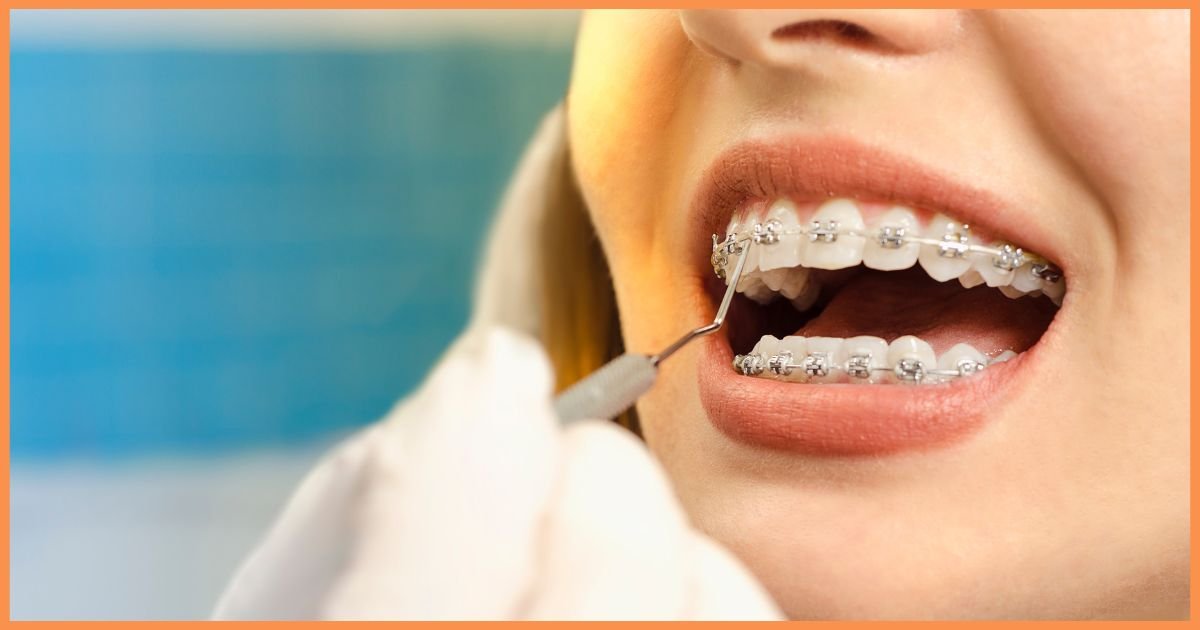
Braces apply controlled forces to teeth over time. These forces stimulate changes in the supporting bone around the teeth, allowing the teeth to gradually move toward their planned positions.
Orthodontic treatment can address concerns such as:
- Crowded teeth
- Gaps between teeth
- Crooked or rotated teeth
- Protruding teeth
- Overbite
- Underbite
- Crossbite
- Certain bite irregularities
- Poor dental alignment
- Uneven spacing
The goal is not simply to make the front teeth look straight. A well-planned orthodontic treatment aims to create functional alignment as well as an aesthetically pleasing smile.
Does “Straight Teeth” Mean Perfectly Straight?
Not necessarily.
Natural teeth are not manufactured objects, and human dentition varies from person to person. Even after successful orthodontic treatment, there may be extremely small variations in tooth position that are not noticeable to the naked eye.
An orthodontist generally considers several factors when evaluating the result:
- Tooth alignment
Are the teeth positioned appropriately within the dental arch? - Bite relationship
Do the upper and lower teeth meet correctly? - Tooth angulation
Are individual teeth appropriately tilted and positioned? - Midline and symmetry
Are the dental midlines reasonably coordinated? - Facial aesthetics
Does the final tooth position complement the patient’s facial appearance? - Long-term stability
Is the result likely to remain stable with appropriate retention?
Therefore, the objective of orthodontic treatment should be healthy, functional and aesthetically balanced alignment, rather than an unrealistic promise of mathematical perfection.
Can Braces Fix Severely Crooked Teeth?
In many cases, yes.
Braces are commonly used to correct moderate to severe dental crowding and other alignment problems. However, the complexity of treatment varies significantly from one patient to another.
For example, mild crowding may require relatively straightforward tooth movement, while severe crowding combined with a jaw discrepancy may require a more complex orthodontic approach.
In some patients, treatment may involve:
- Space creation
- Interproximal reduction
- Tooth extraction
- Elastics
- Additional orthodontic appliances
- Treatment of an underlying bite problem
- Orthognathic surgery in selected severe skeletal cases
This is why an orthodontic assessment is important before estimating the expected outcome or treatment duration.
Why Might Teeth Not Look Perfectly Straight After Braces?
Several factors can influence the final result.
1. The Starting Position of the Teeth
The more complex the original malalignment, the more carefully tooth movement needs to be controlled.
A patient with mild spacing may have a very different treatment journey from someone with severe crowding and rotated teeth.
2. Jaw Structure
Braces primarily move teeth. They do not independently change every aspect of the underlying jaw structure.
If the primary problem is skeletal rather than dental, braces alone may not completely correct it.
3. Tooth Shape
Sometimes teeth are technically well aligned but appear slightly uneven because of their natural shape or differences in tooth size.
For example, small spaces can sometimes be associated with tooth-size discrepancies rather than simply incorrect tooth positioning.
4. Gum and Bone Health
Healthy supporting tissues are essential for predictable orthodontic tooth movement.
Patients with gum disease, bone loss or poor oral hygiene may require appropriate dental treatment before or during orthodontic treatment.
5. Patient Cooperation
Orthodontic treatment is not entirely passive.
Depending on the treatment plan, patients may need to:
- Attend scheduled appointments
- Maintain excellent oral hygiene
- Avoid foods that can damage braces
- Wear elastics as instructed
- Follow appliance instructions
- Wear retainers after treatment
Not following instructions can affect treatment progress and the final result.
What Happens After Braces Are Removed?
This is one of the most important parts of orthodontic treatment.
Braces straighten teeth, but retainers help maintain the result.
Teeth can naturally move throughout life. After braces are removed, the surrounding tissues need time to adapt to the new tooth positions. Without appropriate retention, teeth may gradually shift.
This is called orthodontic relapse.
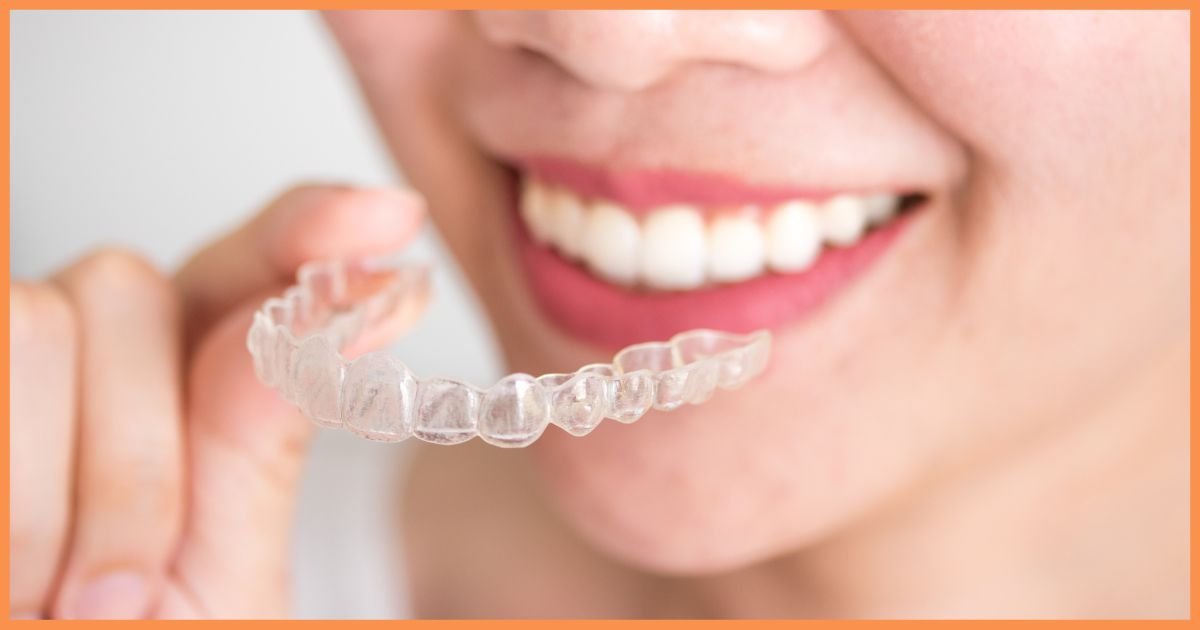
Depending on the individual case, an orthodontist may recommend removable retainers, fixed retainers, or a combination of retention methods.
That means achieving a beautiful orthodontic result is not necessarily the end of the journey. Maintaining it is equally important.
Can Teeth Become Crooked Again After Braces?
Yes.
Even after successful orthodontic treatment, some degree of tooth movement can occur.
This does not necessarily mean the braces treatment failed.
Changes can happen because of:
- Natural ageing
- Changes in the supporting tissues
- Growth and development
- Pressure from surrounding oral structures
- Failure to wear retainers
- Normal lifelong tooth movement
Consistent retainer use, according to the orthodontist’s recommendation, is one of the most important steps for maintaining alignment.
How Long Does It Take to Get Straight Teeth With Braces?
Treatment time varies according to the complexity of the case.
Some relatively simple cases may be completed in a shorter period, while more complex orthodontic problems can require considerably longer treatment.
Factors affecting treatment duration include:
- Degree of crowding
- Type of bite problem
- Tooth rotations
- Available space
- Jaw relationship
- Patient age and growth
- Type of orthodontic appliance
- Patient cooperation
- Missed appointments
- Oral hygiene and appliance care
A consultation and orthodontic assessment are needed to provide a meaningful estimate for an individual patient.
Does Age Affect How Straight Teeth Can Become?
Orthodontic treatment can be performed in children, teenagers and adults.
However, the treatment approach can differ depending on age, dental development, bone health, gum health and whether jaw growth is still occurring.
For adults, orthodontic treatment is still commonly possible, but existing dental conditions such as gum disease, missing teeth, restorations or bone loss may need to be evaluated before treatment begins.
So, being an adult does not automatically mean braces cannot straighten your teeth effectively.
Is 100% Perfect Alignment a Realistic Goal?
It is better to think of orthodontic treatment in terms of clinical goals rather than a promise of 100% perfection.
A successful outcome generally aims to provide:
- Improved tooth alignment
- A healthier and more functional bite
- Better dental aesthetics
- Appropriate tooth positioning
- Improved smile appearance
- Long-term stability with retention
Your orthodontist can assess your teeth and explain what level of correction is realistically achievable in your particular case.
Braces Treatment in Gurgaon
If you are searching for Braces Treatment in Gurgaon, choosing a clinic that takes a comprehensive approach to orthodontic diagnosis is important.
At Dr Khullar Dental Clinic, orthodontic treatment should begin with an assessment of your dental alignment, bite and overall oral health rather than simply focusing on how crooked the front teeth appear.
The treatment plan can then be tailored according to your individual orthodontic needs.
Braces Treatment in New Gurgaon
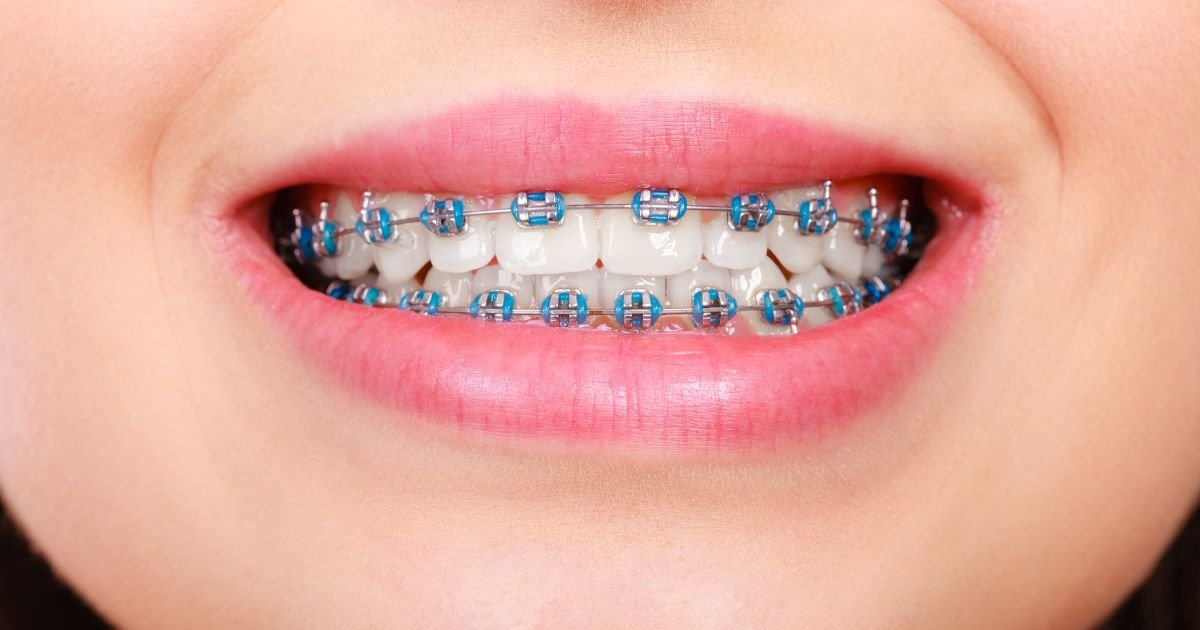
Patients looking for Braces Treatment in New Gurgaon may have different orthodontic concerns, ranging from mild spacing to significant crowding or bite irregularities.
Rather than assuming that the same treatment approach works for everyone, an individual assessment helps determine the most appropriate treatment strategy.
Your orthodontic consultation can help answer questions such as:
- Do I actually need braces?
- How severe is my crowding?
- Can my bite be corrected?
- How long could treatment take?
- Will I need extractions?
- What type of braces may be suitable?
- What will I need to do after treatment?
Braces Treatment in DLF Phase 3
For patients considering Braces Treatment in DLF Phase 3, it is important to look beyond the promise of simply getting “straight teeth.”
A comprehensive orthodontic treatment plan should consider both appearance and function. The goal is to position the teeth appropriately while maintaining a healthy bite and supporting long-term stability.
A consultation with an experienced dental team can help you understand what can realistically be achieved in your case.
Frequently Asked Questions
Can braces make my teeth completely straight?
Braces can significantly improve tooth alignment and correct many orthodontic problems. However, no responsible orthodontic treatment should guarantee absolute perfection because every patient’s teeth, jaw structure and biological response are different.
Will my teeth stay straight forever after braces?
Not necessarily. Teeth can naturally move over time. Wearing retainers as recommended is important for maintaining the orthodontic result.
Can braces fix rotated teeth?
Braces can often correct rotated teeth, although the complexity and predictability of correction depend on the degree of rotation and the individual tooth and surrounding tissues.
Can braces fix both crooked teeth and bite problems?
Yes. Orthodontic treatment can address many dental alignment and bite problems. However, severe skeletal discrepancies may require additional treatment beyond conventional braces.
Are braces worth it if my teeth are only slightly crooked?
That depends on your goals and clinical situation. Even mild alignment problems may be treated for aesthetic, functional or oral-health reasons, but an orthodontic consultation is the best way to determine whether treatment is appropriate.
Why do I need retainers after braces?
Retainers help maintain the teeth in their new positions while the surrounding tissues adapt and over the long term. They are an important part of orthodontic treatment.
The Bottom Line
So, do braces make teeth 100% straight?
They can make a major and often highly noticeable improvement in tooth alignment, but the idea of 100% perfection is not a realistic standard for every patient.
The better goal is a healthy, functional, well-aligned and aesthetically balanced smile that can be maintained over time.
If you are considering orthodontic treatment, speak with the dental team at Dr Khullar Dental Clinic for an individual assessment. Your treatment plan should be based on your teeth, bite, jaw relationship, oral health and long-term smile goals rather than a generic promise of perfectly straight teeth.
Medically Reviewed By: Dr. Kapil Khullar
Qualifications: BDS, MDS (Conservative Dentistry & Endodontics)
Registration No.: A-4561, Delhi State Dental Council