A straight, healthy smile can make a big difference in how you look and feel. However, many people hesitate to get their teeth straightened because they do not want to wear traditional metal braces. This is particularly common among working professionals, college students, and teenagers who prefer a more comfortable and less noticeable orthodontic treatment.
This is where Invisalign can be a suitable option.
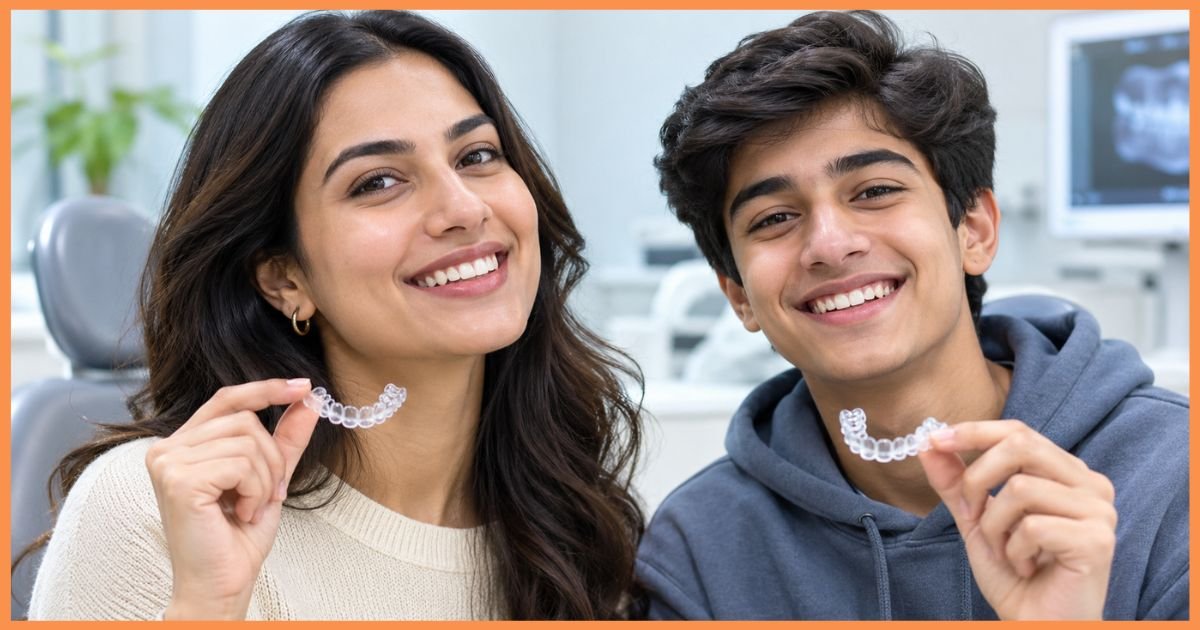
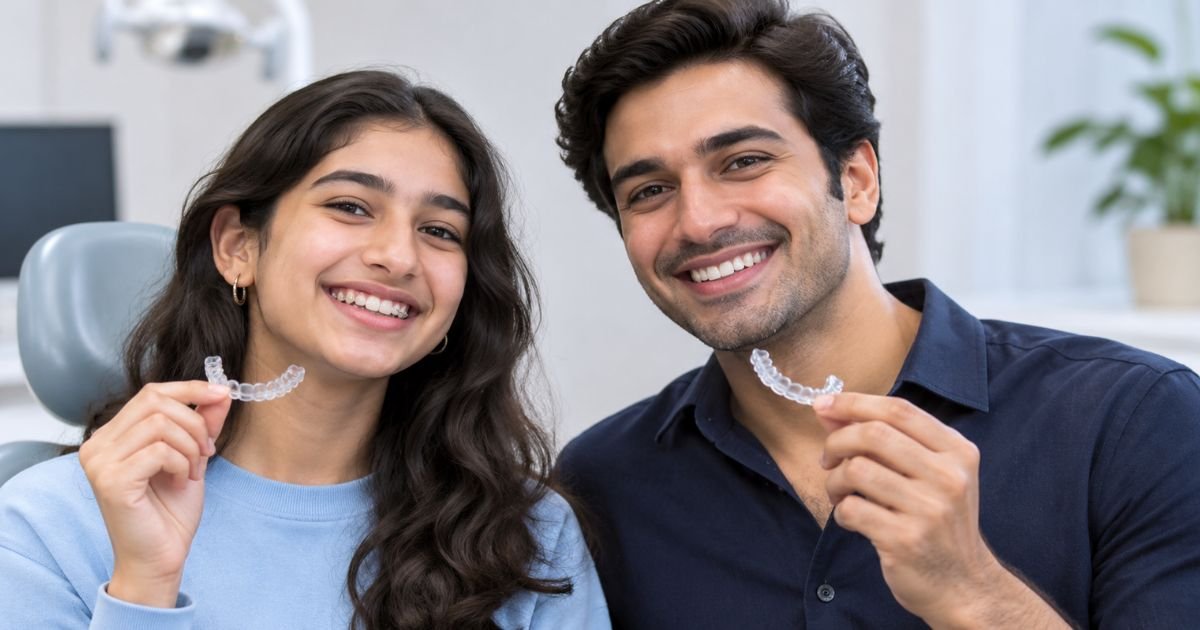
Invisalign uses a series of transparent, removable aligners to gradually move teeth into their desired positions. Unlike conventional braces, these aligners do not use metal brackets or wires, making them a popular choice for people who want to improve their smiles without drawing too much attention to their treatment.
But is Invisalign equally suitable for adults and teenagers? Can it correct different types of dental alignment problems? And are there any limitations you should understand before starting treatment?
Let’s explore everything you need to know before deciding whether Invisalign is the right choice for you or your child.
What Is Invisalign and How Does It Work?
Invisalign is an orthodontic treatment that uses custom-made, transparent plastic aligners to gradually straighten teeth. These aligners are designed using digital scans or impressions of your teeth and are created according to an individual treatment plan.
Instead of using fixed metal brackets, Invisalign applies controlled pressure to specific teeth, helping them move gradually into better positions.
The treatment generally involves the following steps:
- Initial Dental Consultation: The dentist or orthodontist examines your teeth, gums, bite, and overall oral health to determine whether clear aligners are suitable.
- Digital Scanning: A 3D scan or suitable dental impressions are taken to plan your treatment.
- Custom Aligner Preparation: A series of aligners is manufactured according to your individual treatment requirements.
- Wearing the Aligners: Each set is generally worn for around one to two weeks, depending on the treatment plan.
- Regular Monitoring: Dental appointments help track tooth movement and make adjustments when necessary.
- Retainer Phase: Once treatment is complete, retainers help maintain the corrected tooth positions.
Most patients need to wear their aligners for approximately 20 to 22 hours daily. They should only be removed for eating, drinking anything other than water, brushing, and flossing.
Is Invisalign Suitable for Adults?
Yes. Adults can benefit from Invisalign at almost any age, provided their teeth and gums are healthy enough for orthodontic treatment.
Many adults have crooked teeth, gaps, overcrowding, or bite-related problems that they may have wanted to correct for years. Some avoided braces during their teenage years because of their appearance or lifestyle. Others notice their teeth shifting as they get older.
Invisalign offers adults an opportunity to improve their smile without wearing visible metal braces.
Why Do Adults Prefer Invisalign?
Here are some reasons adults consider clear aligner treatment:
1. Nearly Invisible Appearance
One of the biggest advantages is that Invisalign aligners are transparent. They fit closely over the teeth and are much less noticeable than traditional braces. This can be particularly helpful for professionals who regularly attend meetings, interact with clients, or speak in public.
2. Convenient for Everyday Activities
Adults often have busy schedules. Since Invisalign aligners are removable, patients can take them out while eating, brushing, and flossing. This makes it easier to maintain their usual eating habits and oral hygiene routine.
3. Better Oral Hygiene Management
Cleaning around traditional braces can sometimes be challenging because food particles may get trapped around brackets and wires. With removable aligners, patients can brush and floss their teeth normally before putting their aligners back in.
4. Comfortable Treatment Experience
Invisalign aligners are custom-made to fit your teeth. There are no metal brackets or wires that can rub against the inside of your cheeks. However, mild pressure or temporary discomfort is normal, particularly when switching to a new set of aligners.
5. Suitable for Many Common Alignment Problems
Depending on the complexity of the case, Invisalign may help correct:
- Crooked or misaligned teeth
- Gaps between teeth
- Mild to moderate overcrowding
- Certain overbite and underbite problems
- Crossbite
- Open bite
A proper orthodontic examination is necessary to determine whether clear aligners can achieve the desired result.
Is Invisalign a Good Option for Teenagers?
Yes, Invisalign can also be a good orthodontic option for teenagers. In fact, teenagers often prefer clear aligners because they are less noticeable and allow them to feel more confident during school, college preparation, social activities, and special occasions.
However, teenage orthodontic treatment requires additional consideration because their jaws and teeth may still be developing.
Not every teenager is ready for clear aligners at the same age. The dentist or orthodontist needs to assess dental development, the number of erupted permanent teeth, bite alignment, and the teenager’s ability to follow treatment instructions.
Benefits of Invisalign for Teenagers
1. Increased Confidence at School
Teenagers can sometimes feel self-conscious about wearing metal braces. Transparent aligners offer a more discreet alternative, allowing them to work towards a straighter smile without making orthodontic treatment so noticeable.
2. Easy Removal During Meals
Teenagers do not need to avoid certain foods because of brackets or wires. They can remove their aligners while eating and put them back after brushing their teeth.
3. Convenient for Sports and Activities
For teenagers involved in sports, music, or other extracurricular activities, removable aligners can offer additional convenience. However, aligners should be removed during contact sports, and an appropriate mouthguard should be discussed with the treating dentist.
4. Easier Brushing and Flossing
Teenagers can continue their regular brushing and flossing routine without having to clean around fixed brackets. This can help them maintain better oral hygiene during orthodontic treatment.
5. Special Features for Growing Smiles
Invisalign offers specific treatment options designed for younger patients, including Invisalign Teen. Depending on the treatment plan, features may help accommodate developing teeth and monitor aligner wear.
Are Teenagers Responsible Enough for Invisalign?
This is an important question parents should consider.
Unlike fixed braces, Invisalign aligners can be removed. This means teenagers must be responsible enough to wear them for the recommended 20 to 22 hours every day.
If a teenager frequently forgets to wear their aligners, removes them for long periods, or loses them, treatment may take longer than expected.
Parents should encourage good habits and help teenagers follow their orthodontist’s instructions.
Invisalign vs Traditional Braces: Which Is Better?
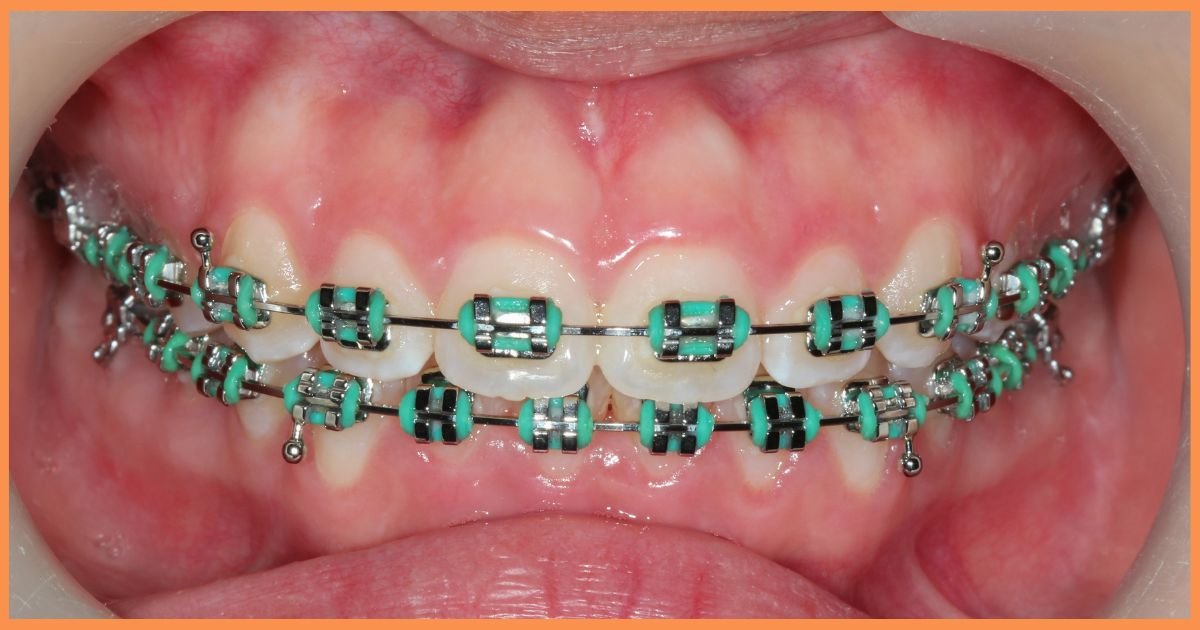
Both Invisalign and traditional braces can effectively straighten teeth. However, they differ in appearance, convenience, maintenance, and suitability for different orthodontic conditions.
Here is a simple comparison to help you understand the differences.
| Feature | Invisalign | Traditional Braces |
|---|---|---|
| Appearance | Transparent and discreet | Metal brackets and wires are visible |
| Removability | Removable | Fixed to teeth |
| Eating | Removed during meals | Some food restrictions |
| Oral Hygiene | Easier to brush and floss normally | Requires additional cleaning |
| Comfort | Smooth plastic, with temporary pressure | Brackets and wires may cause irritation |
| Compliance | Requires consistent wear | Remains fixed throughout treatment |
| Complex Cases | Depends on case suitability | Can treat many complex cases |
| Follow-up | Regular monitoring required | Regular adjustments required |
Which Option Should You Choose?
There is no single answer for everyone. Invisalign may be preferable for patients who value appearance and convenience and can follow the required wearing schedule.
Traditional braces may be a better option for patients with more complicated tooth movements or bite problems.
Your dentist or orthodontist can recommend the most appropriate treatment after examining your teeth.
Who Is an Ideal Candidate for Invisalign?
Although Invisalign is suitable for many adults and teenagers, it is not the right treatment for every dental condition.
You may be a suitable candidate if:
- You have mild to moderate teeth crowding.
- You have small or noticeable gaps between your teeth.
- Your teeth are slightly crooked or misaligned.
- You have certain bite alignment issues that can be managed with aligners.
- Your teeth and gums are generally healthy.
- You can wear your aligners consistently for the recommended number of hours.
- You are comfortable attending regular dental appointments.
However, patients with severe jaw discrepancies, complex bite problems, or certain complicated tooth movements may need traditional braces or a combination of orthodontic treatments.
A clinical assessment is essential before making a decision.
When Is Invisalign Not Recommended?
Invisalign may not be the most appropriate option in certain situations.
Some examples include:
1. Severe Orthodontic Problems
Significant jaw misalignment or complex bite issues may require fixed braces or additional treatment.
2. Poor Oral Health
Untreated cavities, gum disease, or active dental infections should generally be addressed before starting orthodontic treatment.
3. Irregular Aligner Use
Patients who cannot consistently wear their aligners may not achieve the planned results.
4. Certain Complex Tooth Movements
Some tooth movements are more predictable with fixed orthodontic appliances.
5. Unrealistic Expectations
Invisalign requires patience and regular monitoring. It cannot guarantee instant results or identical outcomes for every patient.
A dentist should explain the available alternatives rather than recommending aligners simply because they are popular.
How Long Does Invisalign Treatment Take?
The duration of Invisalign treatment depends on several factors, including the severity of misalignment, the number of teeth that need correction, and how consistently the patient wears the aligners.
For many adults, treatment may take approximately 12 to 18 months. Teenagers may require a different duration depending on their dental development and orthodontic needs. Some simpler cases may take less time, while complicated cases can take longer.
Factors that influence treatment duration include:
- The amount of tooth movement required.
- The complexity of the bite problem.
- The patient’s age and dental development.
- Daily aligner-wearing habits.
- Attendance at scheduled dental appointments.
- Whether additional aligners or refinements are required.
It is important to remember that every patient has a different treatment plan. Your dentist will provide an estimated timeline after evaluating your teeth.
What Is the Invisalign Treatment Process?
Understanding the treatment process can help adults and teenagers feel more comfortable before starting orthodontic treatment.
Here is what you can generally expect:
Step 1: Initial Consultation
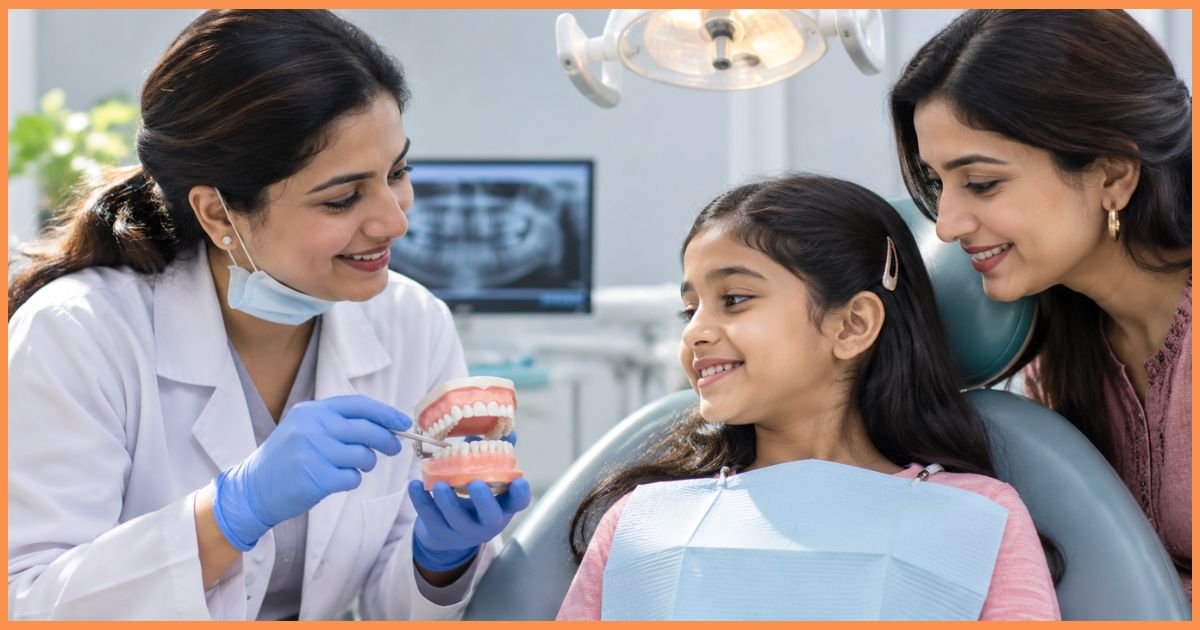
The first step is visiting a dental clinic for a complete examination. The dentist evaluates your teeth, gums, bite, and overall oral health.
Your concerns and expectations are also discussed during this appointment.
Step 2: Digital Scanning and Treatment Planning
Digital scans or dental impressions are taken to create a detailed representation of your teeth. The dentist uses this information to plan the required tooth movements.
You may also be advised to undergo dental X-rays if clinically necessary.
Step 3: Customised Aligner Preparation
Once the treatment plan is finalised, a series of custom-made aligners is prepared for your teeth.
Each aligner is designed to move specific teeth gradually.
Step 4: Wearing Your Aligners
You will receive instructions about when to change your aligners and how many hours to wear them daily.
Most patients are advised to wear them for approximately 20 to 22 hours per day.
Step 5: Regular Dental Check-ups
Follow-up appointments allow your dentist to monitor tooth movement and check whether the treatment is progressing as planned.
If necessary, adjustments or additional aligners may be recommended.
Step 6: Retainers After Treatment
Completing Invisalign treatment does not mean your orthodontic journey is entirely over.
Retainers are usually recommended to help prevent teeth from shifting back towards their original positions. Your dentist will explain how often and how long you need to wear them.
How Much Does Invisalign Cost?
The cost of Invisalign depends on the individual patient’s dental condition and treatment requirements.
There is no fixed price that applies to every adult or teenager.
Some important factors affecting the overall cost include:
- Complexity of the orthodontic problem.
- Number of aligners required.
- Estimated treatment duration.
- Additional procedures, if necessary.
- Follow-up appointments and retention requirements.
- The dental clinic and treating professional.
Patients considering Invisalign in Gurgaon should discuss the complete treatment cost with their dentist before beginning the procedure.
It is also helpful to ask whether the quoted price includes digital scanning, refinements, follow-up appointments, and retainers.
How to Take Care of Invisalign Aligners
Proper aligner care is important for maintaining oral hygiene and ensuring that your treatment progresses smoothly.
Follow these simple practices:
- Remove your aligners before eating meals or snacks.
- Drink plain water while wearing your aligners.
- Brush and floss your teeth before putting them back in.
- Clean your aligners according to your dentist’s instructions.
- Avoid using hot water because it may damage or distort the plastic.
- Store your aligners in their protective case whenever they are not being worn.
- Avoid skipping aligner changes or switching to another set without professional advice.
- Attend all scheduled dental appointments.
Maintaining these habits can help reduce the chances of staining, unpleasant odours, and unnecessary treatment delays.
Is Invisalign Safe for Adults and Teenagers?
Invisalign is a recognised orthodontic treatment when prescribed and monitored by an appropriately qualified dental professional.
However, like other orthodontic treatments, it can cause temporary discomfort, pressure, or mild irritation when teeth begin moving.
Some patients may also experience temporary speech changes when they first start wearing aligners.
Potential problems can arise if aligners are not worn correctly, oral hygiene is neglected, or treatment is started without an appropriate dental examination.
For this reason, patients should avoid unsupervised, direct-to-consumer aligner treatments. Professional assessment and monitoring are important for reducing the risk of unwanted tooth movement and bite-related complications.
Choosing the Right Dentist for Invisalign Treatment in Gurgaon
Choosing the right dental professional is just as important as selecting the orthodontic treatment itself.
Before beginning treatment, consider the following:
1. Professional Qualifications
Check the dentist’s recognised dental qualifications, registration, and relevant orthodontic training.
2. Proper Dental Assessment
Your dentist should examine your teeth, gums, and bite before recommending clear aligners.
3. Individual Treatment Planning
Every patient has different orthodontic needs. Your treatment plan should be based on your dental condition rather than a standard approach.
4. Regular Follow-ups
Choose a clinic that provides appropriate monitoring throughout the treatment.
5. Clear Communication
Your dentist should explain the expected results, limitations, possible risks, alternative treatments, and costs.
At Dr Khullar Dental Clinic, patients considering orthodontic treatment can discuss their smile concerns and understand whether clear aligners or another treatment option may be appropriate for their dental needs.
If you are exploring Invisalign in Gurgaon, a professional consultation is a sensible first step towards making an informed decision.
What Do Dental Guidelines Say About Invisalign Treatment?
Invisalign treatment should follow established principles of responsible dental practice, including proper diagnosis, patient safety, informed consent, and appropriate clinical supervision.
One important clarification is that the National Medical Commission (NMC) regulates medical education and medical professionals in India. Dental practice is governed by the applicable dental regulatory framework, including the National Dental Commission framework and relevant professional regulations.
The principles of responsible dental care include:
- Conducting a proper clinical examination before treatment.
- Explaining the benefits, risks, limitations, and available alternatives.
- Obtaining appropriate informed consent.
- Maintaining patient confidentiality and dental records.
- Providing treatment based on individual clinical requirements.
- Monitoring patients throughout orthodontic treatment.
For teenagers, parents or legal guardians should be appropriately involved in the consent process, while the teenager should also understand the treatment and participate in decisions according to their maturity.
These principles help ensure that Invisalign is recommended for the right reasons and that patients understand what the treatment involves.
Frequently Asked Questions About Invisalign
1. Can Adults Get Invisalign at Any Age?
Yes. There is no specific upper age limit for Invisalign. Adults can undergo treatment if their teeth, gums, and supporting structures are healthy enough for orthodontic movement.
2. Is Invisalign Better Than Metal Braces for Teenagers?
It depends on the teenager’s dental condition and ability to follow instructions. Invisalign offers a discreet and removable option, while traditional braces may be more suitable for certain complex orthodontic cases.
3. How Many Hours Should I Wear Invisalign Every Day?
Most patients are advised to wear Invisalign aligners for 20 to 22 hours daily. They should generally be removed only for eating, drinking anything other than water, and oral hygiene.
4. Does Invisalign Cause Pain?
Invisalign may cause mild pressure or temporary discomfort, particularly when starting a new set of aligners. This is generally part of the tooth movement process. Severe or persistent pain should be discussed with your dentist.
5. Can I Eat Normally During Invisalign Treatment?
Yes. Since aligners are removable, you can generally enjoy your usual foods. However, remove them before eating and clean your teeth before putting them back in.
6. Can Invisalign Correct Gaps and Crooked Teeth?
Yes. Invisalign can correct many cases of gaps, crooked teeth, and overcrowding. The suitability of treatment depends on the severity of the condition and the required tooth movements.
7. Do I Need Retainers After Invisalign Treatment?
Yes, retainers are generally recommended after orthodontic treatment. They help maintain the new tooth positions and reduce the risk of relapse.
8. Is Invisalign Worth the Cost?
For patients who value a discreet appearance, removable aligners, and convenient oral hygiene, Invisalign may be worth considering. However, the decision should also account for treatment suitability, cost, and the patient’s willingness to follow instructions.
Final Thoughts
So, is Invisalign a good choice for adults and teenagers?
Yes, it can be an excellent option for both age groups when the dental condition is suitable and the patient is committed to following the treatment plan.
Adults can benefit from its discreet appearance and convenience, while teenagers may appreciate the flexibility and confidence it offers during their school and social years.
However, Invisalign is not the perfect solution for every orthodontic problem. A proper dental examination is necessary to understand whether clear aligners or traditional braces will provide better results.
At Dr Khullar Dental Clinic, patients can discuss their smile goals, explore suitable orthodontic options, and understand the treatment process before making a decision.
If you are thinking about improving your smile, schedule a dental consultation and take the first step towards healthier, better-aligned teeth.
Medically Reviewed By: Dr. Kapil Khullar
Qualifications: BDS, MDS (Conservative Dentistry & Endodontics)
Registration No.: A-4561, Delhi State Dental Council