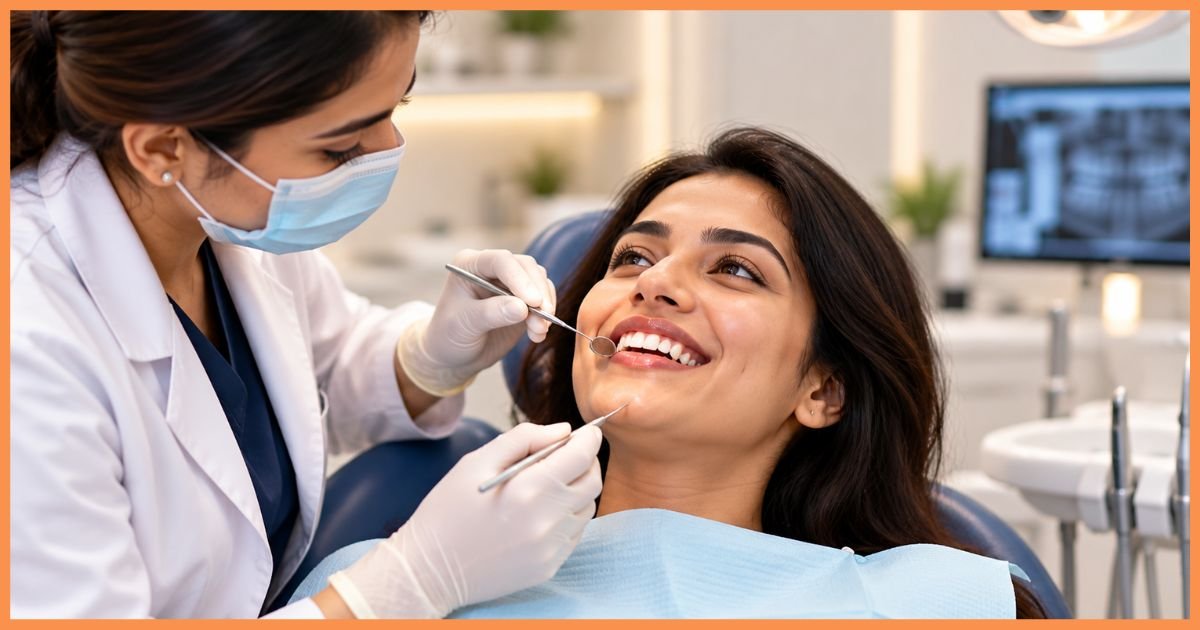
Good oral hygiene is not something that happens only in the dental chair. The habits you follow every day play a major role in keeping your teeth, gums, and entire mouth healthy between professional dental visits. Brushing regularly, cleaning between your teeth, making sensible food choices, and paying attention to early warning signs can help reduce the risk of cavities, gum disease, bad breath, and other oral health problems.
Even if your teeth feel completely fine, plaque can continue to accumulate in areas that are difficult to clean. Regular dental check-ups are important because some dental problems may develop without noticeable symptoms in the early stages. However, professional care works best when it is supported by consistent oral hygiene at home.
For patients looking for reliable preventive and restorative dental care, Dr Khullar Dental Clinic focuses on maintaining long-term oral health through appropriate diagnosis, preventive guidance, and personalised dental treatment.
Why Is Daily Oral Hygiene So Important?
Your mouth naturally contains bacteria. When these bacteria combine with food particles and saliva, they form a sticky layer called plaque on the teeth. If plaque is not removed regularly, it can contribute to tooth decay and gum inflammation.
Over time, untreated plaque can harden into tartar, which cannot be removed effectively with a regular toothbrush. Tartar accumulation can increase the risk of gum problems and may contribute to persistent bad breath.
A consistent home-care routine helps control plaque before it causes significant problems.
1. Brush Your Teeth Twice a Day
Brushing twice a day is one of the simplest and most important steps in maintaining oral hygiene.
Ideally, brush:
- Once in the morning
- Once before going to bed
- For approximately two minutes each time
Use a soft-bristled toothbrush and fluoride toothpaste unless your dentist recommends a different product. Hold the toothbrush at an appropriate angle toward the gumline and use gentle, controlled movements.
Avoid brushing aggressively. Excessive pressure can irritate the gums and contribute to enamel wear or gum recession.
Do Not Forget the Gumline
Plaque often accumulates where the teeth meet the gums. Spend adequate time cleaning this area without pressing too hard.
Also brush the:
- Outer surfaces of the teeth
- Inner surfaces
- Chewing surfaces
- Back teeth
- Tongue
Cleaning the tongue can also help reduce bacteria associated with bad breath.
2. Clean Between Your Teeth Every Day
A toothbrush cannot effectively reach every area between the teeth. This is why interdental cleaning is an important part of an oral hygiene routine.
Depending on your dental needs, you may use:
- Dental floss
- Interdental brushes
- Water flossers
- Other dentist-recommended interdental cleaning aids
If your gums bleed when you begin flossing, do not automatically assume that flossing is harming your gums. Bleeding can be associated with existing gum inflammation. However, persistent or significant bleeding should be discussed with a dentist.
Your dentist can also demonstrate the most suitable technique for your teeth and gum condition.
3. Choose Your Toothbrush Carefully
A good toothbrush does not need to be complicated.
Look for a toothbrush with:
- Soft bristles
- A comfortable handle
- A head size that allows you to reach the back teeth
- Bristles that remain in good condition
Replace your toothbrush or toothbrush head approximately every three months, or earlier if the bristles become frayed.
An electric toothbrush can also be useful, particularly for people who find it difficult to maintain consistent brushing technique. However, technique and consistency remain more important than simply choosing a particular type of toothbrush.
4. Be Mindful of Sugar and Frequent Snacking
It is not only the amount of sugar you consume that matters. How frequently your teeth are exposed to sugary foods and drinks can also influence cavity risk.
Frequent consumption of:
- Sweets
- Biscuits
- Cakes
- Sugary beverages
- Sweetened tea or coffee
- Sticky snacks
can provide bacteria with fermentable carbohydrates that contribute to acid production.
Try to keep sugary foods and drinks to mealtimes rather than consuming small amounts repeatedly throughout the day.
Water is generally a better everyday beverage choice than sugary drinks.
5. Drink Plenty of Water
Water helps wash away food particles and supports normal saliva production.
This becomes particularly useful after meals or snacks when brushing is not immediately possible.
If you cannot brush after eating, rinsing your mouth with water can be a simple temporary measure until you can properly clean your teeth.
6. Do Not Ignore Your Gums
Healthy gums generally do not bleed regularly during normal brushing or interdental cleaning.
Pay attention to symptoms such as:
- Bleeding gums
- Swollen gums
- Redness
- Tenderness
- Persistent bad breath
- Gum recession
- Changes in the way your teeth fit together
- Loose or mobile teeth
These signs do not necessarily mean that you have advanced gum disease, but they should not be ignored.
Early evaluation can help identify the cause and prevent a minor issue from progressing.
7. Avoid Using Your Teeth as Tools
Your teeth are designed for chewing food, not for opening packages, cutting materials, or holding objects.
Using your teeth as tools can result in:
- Chipped teeth
- Cracked teeth
- Fractured fillings
- Damage to dental restorations
If you regularly use your teeth for purposes other than eating, changing this habit can significantly reduce the risk of preventable dental injuries.
8. Take Care of Your Dental Restorations
If you have fillings, crowns, bridges, veneers, implants, dentures, or orthodontic appliances, they still require daily care.
Dental restorations do not make the surrounding teeth and gums immune to plaque.
For example, patients with dental implants should maintain careful cleaning around the implant and surrounding gum tissue. Similarly, people with bridges or orthodontic appliances may need additional cleaning methods to reach areas where food and plaque can accumulate.
Follow the specific cleaning instructions provided by your dentist.
9. Be Careful With Acidic Foods and Drinks
Frequent exposure to acidic beverages and foods can contribute to dental erosion.
Common sources include:
- Carbonated soft drinks
- Energy drinks
- Certain fruit juices
- Citrus-based drinks
- Other acidic beverages
You do not necessarily need to eliminate every acidic food from your diet. Instead, avoid frequent sipping throughout the day and rinse your mouth with water afterward.
Importantly, avoid brushing immediately after consuming highly acidic foods or drinks because enamel may temporarily be more vulnerable to mechanical wear.
10. Do Not Ignore Bad Breath
Occasional bad breath can occur after eating certain foods or when you wake up. Persistent bad breath, however, may sometimes be associated with plaque accumulation, gum disease, dry mouth, tongue coating, or other oral health concerns.
If bad breath continues despite good brushing and tongue cleaning, consider discussing it with a dental professional.
Treating the underlying cause is more effective than simply masking the smell with mouth fresheners.
11. Use Mouthwash When Appropriate
Mouthwash can be useful in certain situations, but it should not be considered a replacement for brushing and interdental cleaning.
Depending on your oral health needs, your dentist may recommend a specific mouthwash for:
- Plaque control
- Gum health
- Fluoride protection
- Managing certain oral conditions
Not every mouthwash is appropriate for every person, so professional guidance can be helpful, particularly if you have an existing dental condition.
12. Maintain a Healthy Lifestyle
Your oral health is closely connected to your overall health and daily habits.
Smoking and tobacco use can significantly affect the mouth and are associated with gum disease, tooth loss, delayed healing, and oral cancer.
Limiting tobacco exposure, maintaining a balanced diet, staying hydrated, and managing conditions that affect oral health can all contribute to better long-term outcomes.
How Often Should You Visit the Dentist?
There is no single dental visit schedule that works for everyone.
Some people may benefit from routine check-ups every six months, while others may need more frequent monitoring because of:
- Previous cavities
- Gum disease
- Orthodontic treatment
- Dental implants
- Multiple restorations
- High cavity risk
- Certain medical conditions
- Dry mouth
- A history of extensive dental treatment
Your dentist can recommend a recall schedule based on your individual risk factors.
If you are searching for a Dental clinic in Gurgaon, choosing a clinic that prioritises preventive care can help you build a sustainable long-term oral health routine rather than waiting until a dental problem becomes painful.
When Should You See a Dentist Before Your Next Routine Appointment?

You should not necessarily wait for your next scheduled check-up if you experience concerning symptoms.
Contact your dentist if you notice:
- Persistent toothache
- Sensitivity that does not improve
- Swelling around the gums or face
- Recurrent gum bleeding
- A broken or chipped tooth
- A loose permanent tooth
- Persistent bad breath
- Pain while chewing
- A dental restoration that feels loose or damaged
- Mouth sores that do not heal
Early dental evaluation can often make treatment simpler and help prevent complications.
A Simple Daily Oral Hygiene Routine
A practical routine can look like this:
Morning
Brush for two minutes with fluoride toothpaste and clean your tongue.
After meals
Rinse your mouth with water and avoid frequent sugary snacking.
Evening
Clean between your teeth using floss or another dentist-recommended interdental aid, followed by brushing.
Throughout the day
Stay hydrated, limit tobacco, and pay attention to any unusual changes in your teeth or gums.
This routine may seem simple, but consistency is what makes it effective.
Why Professional Dental Visits Still Matter
Even excellent home care cannot completely replace professional dental examinations.
A dentist can identify areas that are difficult to clean, detect early signs of tooth decay or gum disease, assess existing restorations, and recommend preventive measures based on your individual oral health.
Professional cleaning may also be necessary when tartar has accumulated.
For residents searching for a Dental Clinic in Sector 54 Gurgaon, regular preventive dental care can be particularly valuable for maintaining oral health before problems become painful or require more extensive treatment.
Likewise, people looking for a Dental Clinic in Nirvana Country Gurgaon can benefit from choosing a dental practice that combines routine examination with personalised preventive advice.
The Bottom Line
Maintaining good oral hygiene between dental visits is primarily about consistency rather than complicated routines. Brush twice daily, clean between your teeth, limit frequent sugar exposure, stay hydrated, protect your gums, and pay attention to changes in your mouth.
Most importantly, do not wait for pain before seeking dental advice. Many dental problems can develop quietly, and early professional evaluation can make a meaningful difference.
Dr Khullar Dental Clinic encourages patients to treat dental care as an ongoing part of their overall health rather than something to consider only when a tooth starts hurting. A few minutes of effective oral care every day, combined with regular professional dental visits, can help you maintain a healthier smile for the long term.