Dental implants have transformed modern dentistry by offering a permanent and natural-looking solution for missing teeth. If you’ve recently undergone a Dental implant in Gurgaon or are planning the procedure, understanding the healing process can help you recover comfortably and achieve long-lasting results.
At Dr Khullar Dental Clinic, we often receive questions from patients about what happens after implant surgery, what foods they can eat, and how to care for their implants properly. This comprehensive guide explains everything you need to know about dental implant recovery.
Understanding the Dental Implant Healing Process
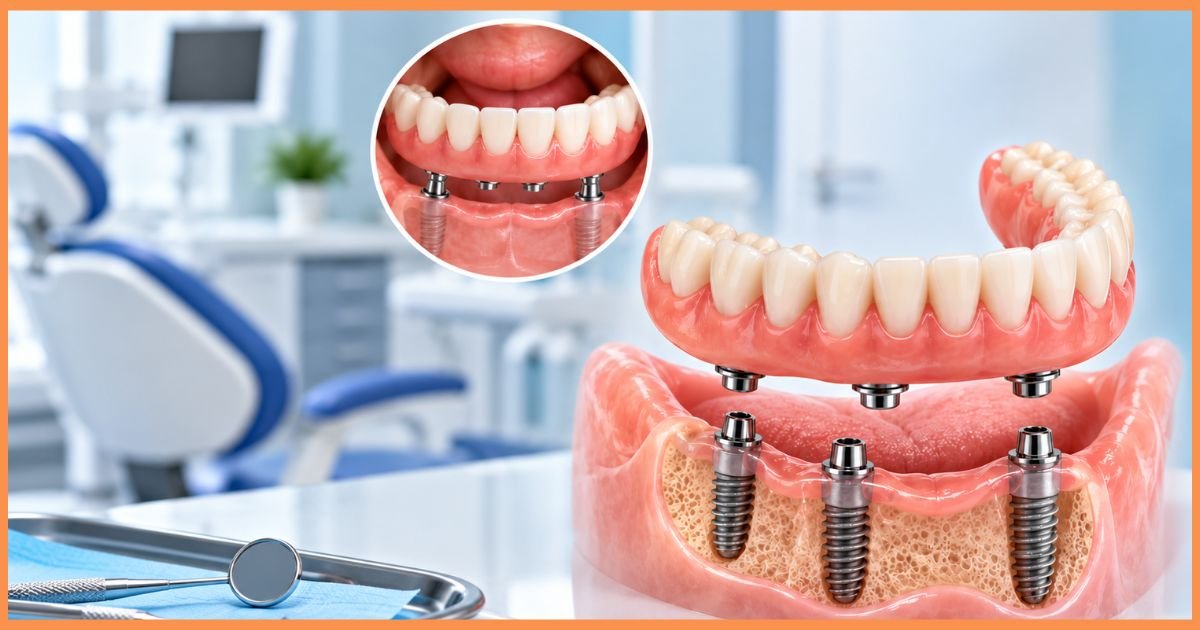
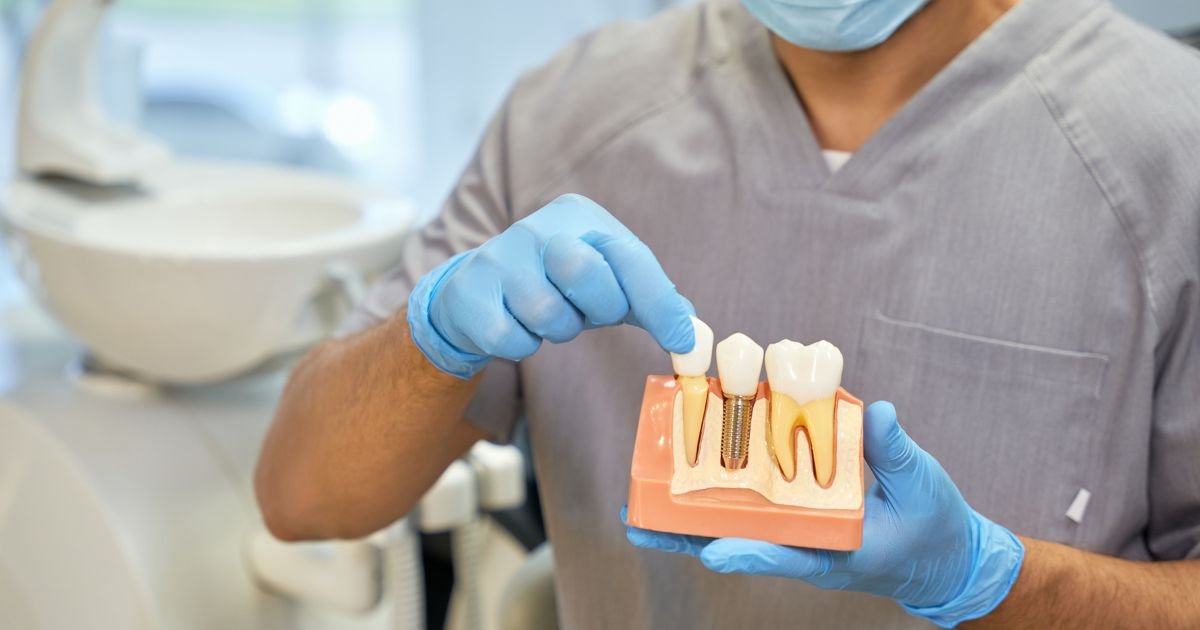
A dental implant is a titanium post that is surgically placed into the jawbone to replace the root of a missing tooth. Over time, the implant fuses with the surrounding bone through a process known as osseointegration.
Healing after a dental implant procedure occurs in stages:
First 24-48 Hours
Immediately after surgery, it is normal to experience:
- Mild swelling around the implant area
- Minor bleeding or oozing
- Slight discomfort or tenderness
- Sensitivity while eating or speaking
Most patients who receive a Dental implant in Gurgaon can return to their routine activities within a day or two.
First Week
During the first week:
- Swelling gradually decreases
- Soft tissue begins healing
- Discomfort becomes manageable
- Follow-up appointments may be scheduled
Following your dentist’s instructions carefully is crucial during this stage.
2-6 Weeks
The gums continue to heal, and the implant site becomes more stable. Patients generally feel much more comfortable during this period.
3-6 Months
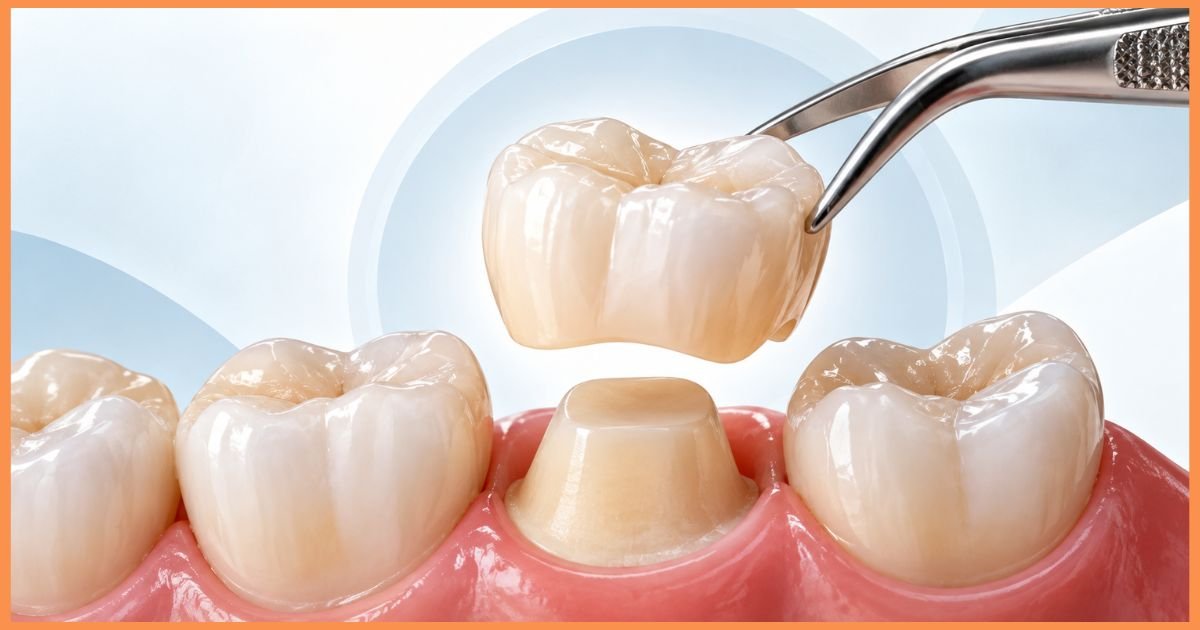
This is when osseointegration takes place. The implant bonds securely with the jawbone, creating a strong foundation for the final crown.
What Foods Can You Eat After a Dental Implant?
Diet plays an important role in successful healing.
Foods to Eat During the First Few Days
Choose soft, nutritious foods such as:
- Yogurt
- Smoothies
- Mashed potatoes
- Oatmeal
- Soup (lukewarm, not hot)
- Scrambled eggs
- Soft fruits like bananas
- Cottage cheese
These foods provide nutrients while minimizing pressure on the implant site.
Foods to Avoid
Avoid foods that can irritate the surgical area, including:
- Hard nuts
- Chips
- Popcorn
- Sticky candies
- Crunchy vegetables
- Spicy foods
- Very hot beverages
- Alcohol
Patients receiving Dental implants in Gurgaon are often advised to avoid chewing directly on the implant side during the initial healing period.
Gradually Returning to Normal Foods
As healing progresses and your dentist approves, you can slowly reintroduce regular foods into your diet. Continue prioritizing nutrient-rich meals that support tissue repair and bone health.
Essential Dental Implant Care Tips
Proper aftercare significantly improves implant success rates.
1. Maintain Excellent Oral Hygiene
Keeping your mouth clean helps prevent infection.
Recommended practices include:
- Brushing gently twice daily
- Using a soft-bristled toothbrush
- Cleaning around the implant carefully
- Following any prescribed mouth rinse instructions
2. Avoid Smoking
Smoking can delay healing and increase the risk of implant failure. Patients are strongly encouraged to stop smoking before and after implant surgery.
3. Take Prescribed Medications
If your dentist prescribes antibiotics or pain medication, take them exactly as directed.
4. Avoid Strenuous Activity Initially
Heavy exercise can increase bleeding and swelling. Rest during the first few days and gradually return to normal physical activities.
5. Attend Follow-Up Visits
Regular follow-up appointments allow your dentist to monitor healing and ensure successful integration of the implant.
Common Symptoms During Recovery
Many patients worry about symptoms after implant surgery. Some normal signs include:
- Mild swelling
- Slight bruising
- Minor discomfort
- Temporary sensitivity
- Slight bleeding during the first day
These symptoms usually improve within a few days.
When Should You Contact Your Dentist?
Although complications are uncommon, contact your dental professional if you experience:
- Severe pain that worsens over time
- Excessive bleeding
- Persistent swelling after several days
- Signs of infection
- Fever
- Implant mobility
Prompt evaluation helps address any concerns before they become serious.
Long-Term Care for Dental Implants
One of the biggest advantages of Dental implants in Gurgaon is their longevity. With proper care, implants can last for decades.
To maintain your implant:
- Brush twice daily
- Floss regularly
- Visit your dentist every six months
- Avoid chewing extremely hard objects
- Manage gum health proactively
Consistent care protects both the implant and surrounding natural teeth.
Why Choose Dr Khullar Dental Clinic for Dental Implants?
When considering a Dental implant in Gurgaon, choosing an experienced dental team is essential for successful treatment and long-term results.
At Dr Khullar Dental Clinic, we focus on:
- Comprehensive implant evaluation
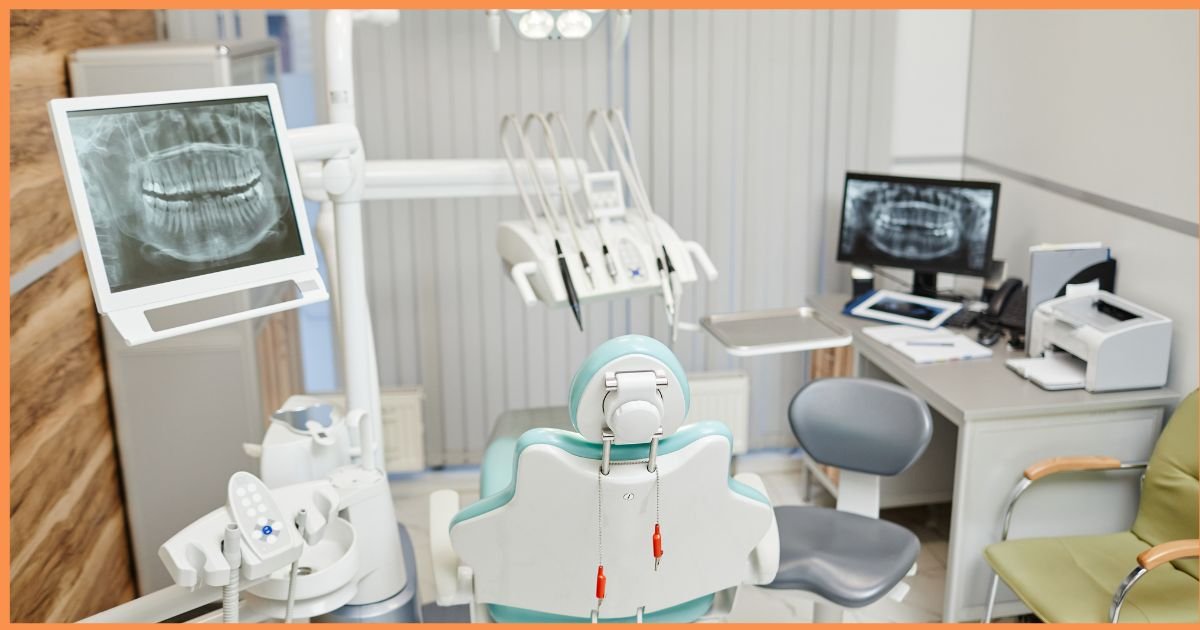
- Advanced diagnostic technology
- Personalized treatment planning
- Precision implant placement
- Patient-centered aftercare
- Long-term oral health support
Our goal is to ensure every patient enjoys a comfortable experience and a confident smile.
Frequently Asked Questions (FAQs)
How long does it take to heal after a dental implant?
Initial healing usually takes 1-2 weeks, while complete integration with the jawbone can take 3-6 months.
Is pain normal after dental implant surgery?
Mild discomfort is normal and typically manageable with prescribed medications and proper aftercare.
Can I eat normally after getting a dental implant?
You should start with soft foods and gradually return to a normal diet as healing progresses.
How successful are dental implants?
Dental implants have a high success rate when placed by experienced professionals and maintained with proper oral hygiene.
How long do dental implants last?
With good care and regular dental checkups, dental implants can last for many years or even a lifetime.
Final Thoughts
Getting a dental implant is an important step toward restoring your smile, confidence, and oral function. Understanding what to expect during recovery can make the healing process smoother and more comfortable.
If you are considering a Dental implant in Gurgaon or looking for expert guidance regarding Dental implants in Gurgaon, the team at Dr Khullar Dental Clinic is committed to providing advanced implant solutions and personalized patient care.
Schedule a consultation today and take the first step toward a healthier, stronger, and more confident smile.