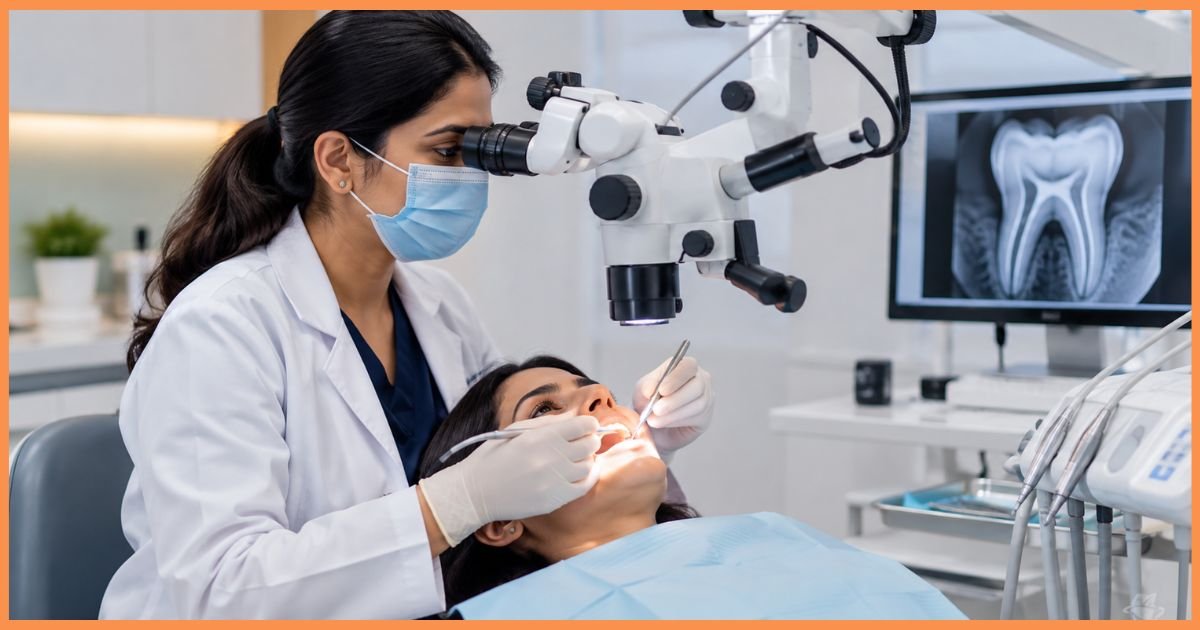
When a tooth becomes severely decayed or infected, a root canal is often recommended to remove the infection and preserve the natural tooth. However, many patients ask an important question: Is there a better option than a root canal?
The answer depends on the condition of the tooth, the extent of infection, the amount of healthy tooth structure remaining, the condition of the surrounding bone and gums, and your overall oral health.
In some situations, alternatives such as tooth extraction followed by a dental implant or bridge may be more appropriate. In other cases, a root canal may actually be the most conservative way to save the natural tooth.
At Dr Khullar Dental Clinic, treatment decisions are based on a detailed examination rather than recommending the same procedure for every patient. This article explains when a root canal is preferable, when alternatives may be considered, and what patients should know before making a decision.
What Is a Root Canal Treatment?
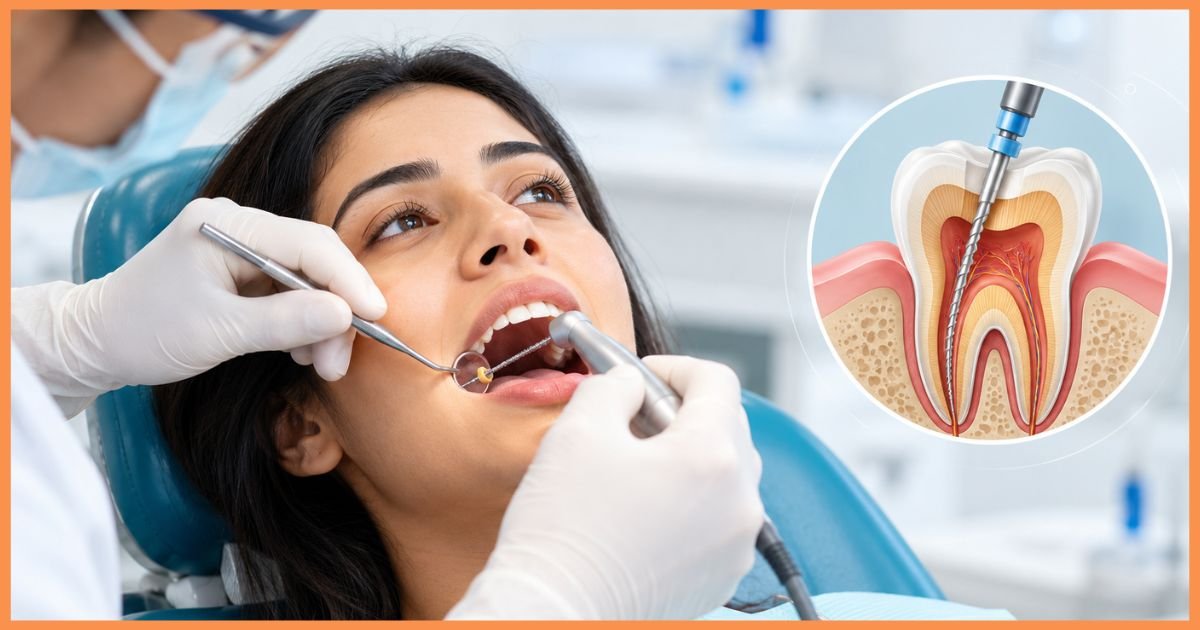
A root canal treatment is a dental procedure used to treat infection or inflammation inside the tooth.
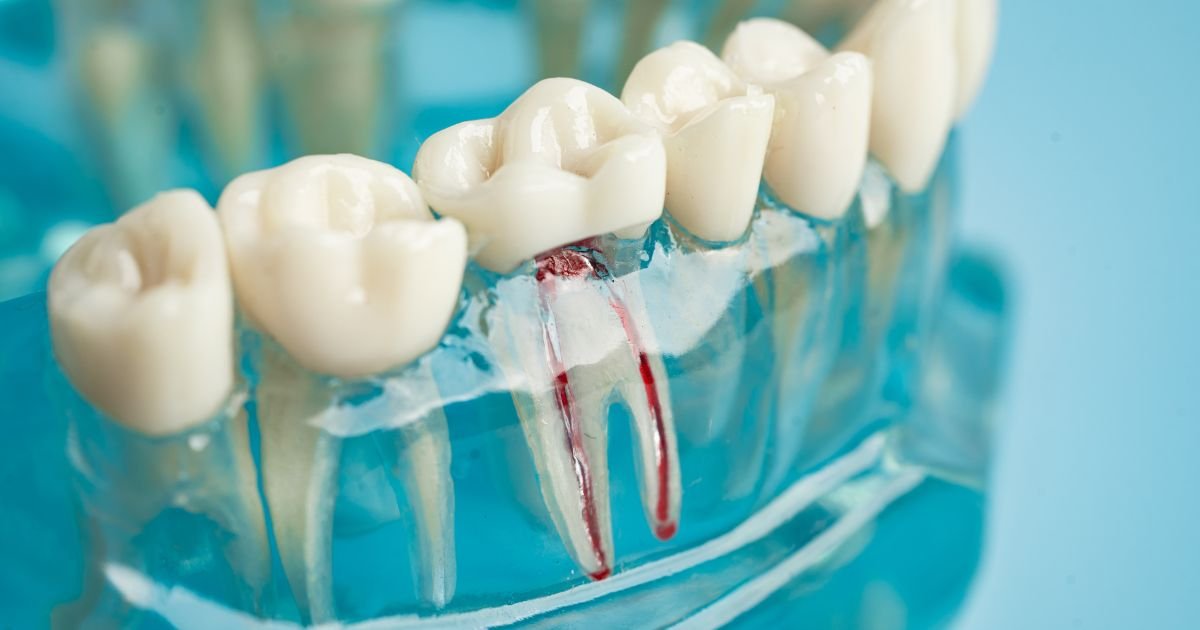
Inside every tooth is a soft tissue called the dental pulp, which contains nerves and blood vessels. Deep decay, cracks, trauma, or repeated dental procedures can damage this tissue.
If the pulp becomes infected, bacteria can spread through the root canals and potentially cause:
- Persistent toothache
- Sensitivity to hot or cold
- Pain while chewing
- Swelling around the tooth
- Gum tenderness or a pimple-like swelling
- Darkening of the tooth
- An abscess around the root
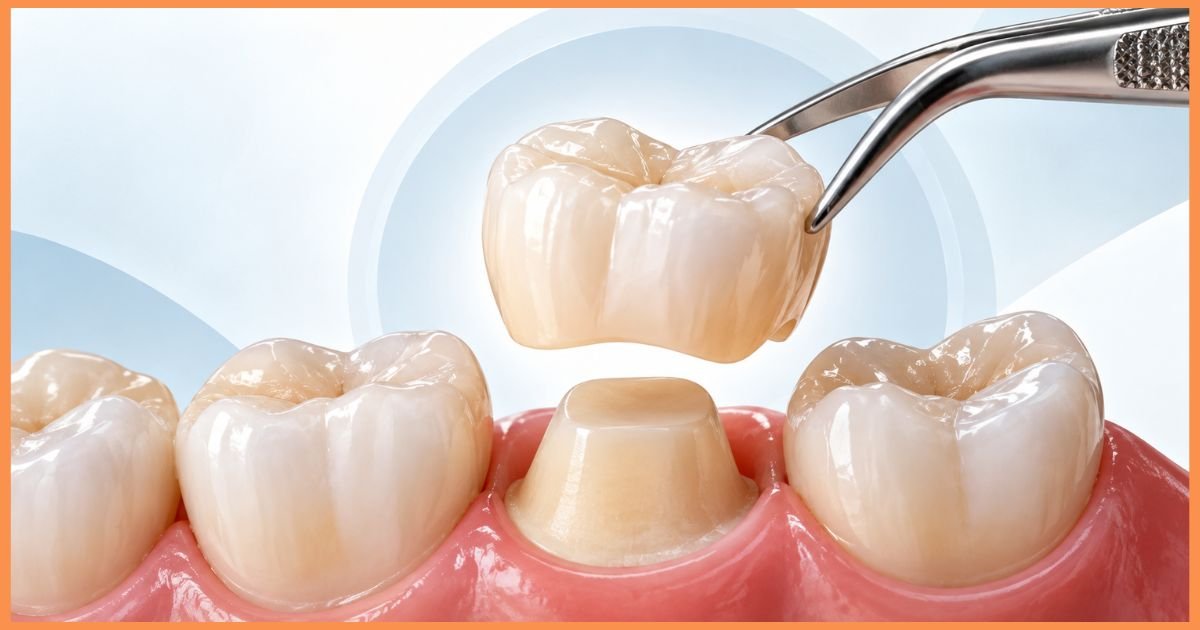
During root canal treatment, the infected or damaged pulp is removed. The root canal system is then cleaned, disinfected, shaped, and sealed. The tooth is subsequently restored, often with a crown when substantial tooth structure has been lost.
For patients looking for Root Canal Treatment in Gurgaon, a proper diagnosis is essential before deciding whether the tooth can and should be saved.
Is There a Better Option Than a Root Canal?
There is no universally better alternative to root canal treatment.
If a tooth can be predictably restored and maintained, preserving the natural tooth is often a valuable goal. However, if the tooth is severely fractured, structurally compromised, or cannot be restored successfully, extraction may be the more appropriate treatment.
The main alternatives include:
- Tooth extraction
- Dental implant after extraction
- Fixed dental bridge
- Observation or preventive treatment in selected early cases
The right choice depends on the individual tooth and the patient’s overall dental situation.
1. Tooth Extraction
Tooth extraction involves removing the damaged or infected tooth completely.
It may be considered when:
- The tooth has a severe vertical root fracture
- There is insufficient healthy tooth structure remaining
- Extensive decay extends below the gum line
- The tooth cannot be predictably restored
- Severe bone or periodontal problems compromise the tooth
- Previous root canal treatment has failed and the tooth has poor restorative prospects
Extraction can eliminate the source of infection, but it also creates a missing-tooth space.
Is extraction better than a root canal?
Not necessarily.
Removing a tooth may seem simpler because the infected tooth is gone. However, the consequences of tooth loss need to be considered. A missing tooth can affect chewing, neighboring teeth, bite stability, and the supporting bone.
Therefore, extraction should not automatically be viewed as an easier or better solution.
2. Dental Implant
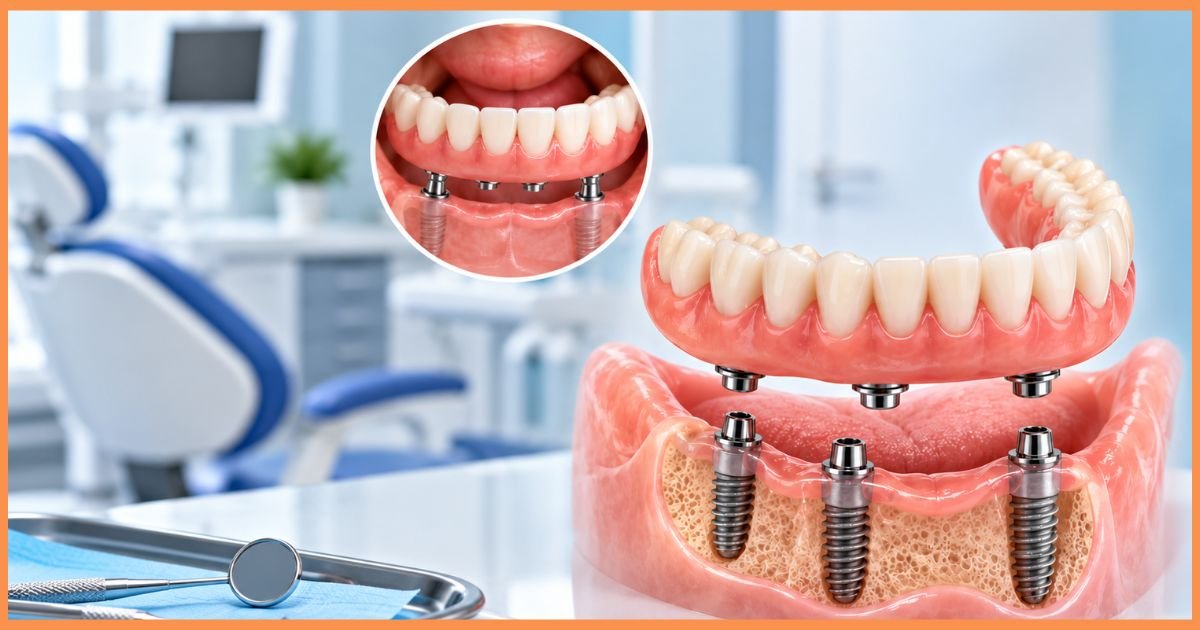
A dental implant is one of the most common ways to replace a tooth after extraction.
An implant consists of a titanium or other biocompatible implant fixture placed in the jawbone. Once the implant integrates with the surrounding bone, it can support a dental crown.
Why might an implant be considered?
An implant may be appropriate when:
- The natural tooth cannot be saved
- The tooth has a poor long-term prognosis
- The patient has adequate bone or can undergo appropriate bone augmentation
- The gums and surrounding tissues are healthy enough for implant treatment
- The patient is suitable for surgical treatment
However, an implant is not simply a replacement for a root canal.
A root canal treats and preserves the patient’s natural tooth. An implant requires removal of the natural tooth followed by surgical replacement.
This means that if a tooth has a good prognosis after root canal treatment, extracting it solely to place an implant may not necessarily be the better option.
3. Dental Bridge
A dental bridge can replace a missing tooth by using adjacent teeth as support.
A traditional fixed bridge typically involves preparing the neighboring teeth to support a prosthetic replacement tooth.
A bridge can be considered when:
- A tooth has already been lost
- The adjacent teeth are suitable for supporting the restoration
- The patient wants a fixed replacement
- An implant is not suitable or is not preferred
However, unlike a root canal, a bridge does not preserve the original tooth. It is a replacement option after tooth loss.
4. Can a Tooth Heal Without a Root Canal?
In some early situations, a tooth may not immediately require root canal treatment.
For example, if the pulp is irritated but has not developed irreversible damage, the dentist may evaluate whether conservative treatment is possible.
Depending on the diagnosis, treatment may involve:
- Removing decay
- Placing an appropriate restoration
- Protecting the pulp
- Monitoring symptoms
- Using minimally invasive pulp-preserving procedures when clinically appropriate
However, once the pulp has developed irreversible inflammation or infection, simply placing a filling may not resolve the problem.
This is why diagnosis is more important than choosing a procedure based on the fear of root canal treatment.
When Is Root Canal Treatment Usually the Better Choice?
Root canal treatment may be preferable when the natural tooth:
- Can be restored adequately
- Has sufficient healthy tooth structure
- Does not have an unrestorable fracture
- Has a reasonable periodontal prognosis
- Has infection or irreversible pulp damage that can be treated endodontically
- Can be properly restored after treatment
The biggest advantage is straightforward: you retain your natural tooth.
Natural teeth have a complex relationship with the surrounding tissues and opposing teeth. Keeping a functional natural tooth can help maintain normal chewing and bite relationships.
What If I Am Afraid of Root Canal Treatment?
Dental anxiety is extremely common, especially when patients have heard stories about painful root canals.
Modern root canal treatment is performed using local anesthesia and contemporary techniques designed to make treatment more comfortable.
The experience can vary depending on the severity of infection, inflammation, the complexity of the tooth, and the patient’s individual response.
If you are worried about pain, tell your dentist before treatment. The dental team can discuss anesthesia, treatment steps, expected sensations, and aftercare with you.
Delaying treatment because of fear can sometimes allow an infection to become more complicated.
Root Canal vs Extraction and Implant
Patients often compare these two options because they appear to solve the same problem. They are actually very different treatment pathways.
| Root Canal Treatment | Extraction + Implant |
| Preserves the natural tooth | Removes the natural tooth |
| Treats infection inside the tooth | Removes the infected/damaged tooth and replaces it |
| Usually avoids implant surgery | Requires implant placement surgery |
| May require a crown afterward | Requires implant restoration |
| Treatment is focused on saving the tooth | Treatment is focused on replacing the tooth |
| Appropriate when the tooth is restorable | Considered when the tooth cannot be predictably saved |
Neither option is automatically superior for every patient.
A dentist should assess the tooth’s restorability, periodontal condition, fracture status, bone support, and long-term prognosis before recommending treatment.
Is Extraction Less Expensive Than Root Canal Treatment?
The initial cost of extraction can sometimes appear lower than root canal treatment.
However, comparing only the immediate procedure can be misleading.
If a tooth is extracted, you may eventually need to consider the cost of replacing it with:
- A dental implant and crown
- A fixed bridge
- Another appropriate prosthetic option
Therefore, the long-term treatment plan should be considered rather than comparing the price of a single procedure.
What Happens If You Leave an Infected Tooth Untreated?
An infected tooth generally should not be ignored simply because the pain disappears.
Dental pain can sometimes decrease when the nerve inside the tooth becomes severely damaged or dies. This does not necessarily mean that the infection has resolved.
An untreated dental infection may progress and cause:
- A dental abscess
- Swelling
- Bone loss around the tooth
- Persistent discomfort
- Difficulty chewing
- Spread of infection into surrounding tissues in severe cases
If you have persistent dental pain, swelling, or other symptoms of infection, seek professional dental evaluation promptly.
How Does a Dentist Decide Between Root Canal and Extraction?
A comprehensive dental examination may include:
1. Clinical examination
The dentist checks the tooth, gums, existing restorations, cracks, tenderness, and surrounding tissues.
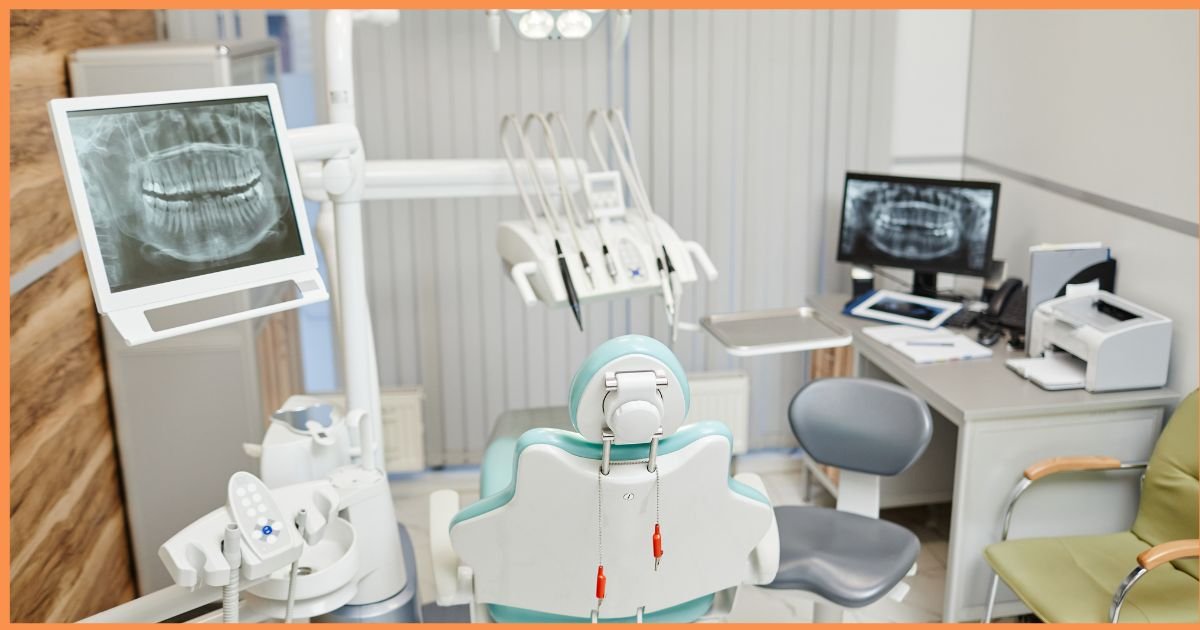
2. Dental X-ray or appropriate imaging
Imaging helps evaluate the roots, surrounding bone, infection, and other structural factors.
3. Pulp testing
Depending on the situation, the dentist may perform tests to determine the condition of the tooth’s pulp.
4. Restorability assessment
The dentist evaluates whether enough healthy tooth structure remains to restore the tooth successfully.
5. Periodontal assessment
The health and support of the gums and surrounding bone are important when determining long-term prognosis.
6. Treatment planning
The dentist considers whether root canal treatment, extraction, an implant, a bridge, or another approach offers the most predictable outcome.
This personalized assessment is particularly important for patients seeking Root Canal Treatment in golf course road, where patients may have multiple treatment options and want to understand the long-term implications before proceeding.
Can a Root Canal Fail?
Like any dental treatment, root canal treatment does not have a 100% guarantee of success.
Failure may occur because of factors such as:
- Complex root canal anatomy
- Persistent infection
- Inadequate cleaning or sealing
- New decay
- Tooth fracture
- Leakage around a restoration
- Problems affecting the surrounding supporting tissues
If a previously treated tooth develops symptoms, it does not automatically mean extraction is the only option.
Depending on the situation, options may include root canal retreatment or endodontic surgery. The dentist needs to assess the cause of the problem before recommending extraction.
How Can You Avoid a Root Canal?
Prevention is always preferable when possible.
Good oral hygiene and regular dental examinations can help identify problems before they become advanced.
You can reduce the risk of deep decay and pulp damage by:
- Brushing twice daily with fluoride toothpaste
- Cleaning between your teeth regularly
- Limiting frequent sugary snacks and drinks
- Wearing a mouthguard during high-risk sports
- Treating cavities early
- Getting regular dental check-ups
- Addressing cracked or damaged teeth promptly
A small cavity may require only a filling. If decay progresses deep into the tooth, more extensive treatment may become necessary.
Frequently Asked Questions
What is the best alternative to a root canal?
There is no single best alternative. If the tooth cannot be saved, extraction followed by an implant or another tooth-replacement option may be appropriate. If the tooth is restorable, root canal treatment may offer the advantage of preserving the natural tooth.
Is tooth extraction better than root canal treatment?
Not always. Extraction removes the affected tooth but creates a missing-tooth space that may need replacement. If the natural tooth can be predictably restored, saving it may be preferable.
Can an infected tooth heal without a root canal?
An infected or irreversibly damaged pulp generally requires definitive treatment. However, some early pulp conditions may be managed with conservative pulp-preserving approaches. A dentist must determine the diagnosis before deciding.
Is an implant better than a root canal?
An implant and root canal serve different purposes. Root canal treatment aims to preserve the natural tooth, while an implant replaces a missing tooth. If the natural tooth has a good prognosis, extraction just to place an implant may not be necessary.
What should I do if my root canal is causing pain?
Contact your dentist for an evaluation. Pain after treatment can have several causes, including normal healing, inflammation, an uneven bite, persistent infection, or another dental problem.
How do I know whether my tooth can be saved?
A dentist needs to evaluate the tooth clinically and radiographically. The amount of remaining tooth structure, presence of cracks, bone support, periodontal health, and extent of infection all influence the decision.
The Bottom Line
There is no universal treatment that is better than a root canal.
The right treatment depends on whether the natural tooth can be predictably saved and restored.
When a tooth is restorable, root canal treatment can eliminate infection while allowing you to retain your natural tooth. When a tooth is severely fractured, extensively damaged, or otherwise has a poor prognosis, extraction followed by an appropriate replacement such as a dental implant may be a more predictable solution.
At Dr Khullar Dental Clinic, a detailed assessment can help determine which option is appropriate for your individual tooth and long-term oral health.
If you are experiencing tooth pain, sensitivity, swelling, or have been advised to undergo a root canal, seek a professional dental evaluation rather than choosing an alternative based only on cost or fear. The goal should be to select the treatment that offers the best predictable outcome for your tooth, oral health, and long-term function.