Tooth sensitivity is a common dental problem that affects millions of people worldwide. If you experience sharp pain or discomfort while consuming hot, cold, sweet, or acidic foods, you may be dealing with sensitive teeth. Understanding the causes, treatments, and prevention methods can help you protect your oral health and avoid further complications.
If you are experiencing persistent tooth sensitivity, visiting a Dentist in Gurgaon can help identify the root cause and provide effective treatment. At Dr Khullar Dental Clinic, experienced professionals provide advanced dental care to ensure long-term relief from dental problems.
What Is Tooth Sensitivity?
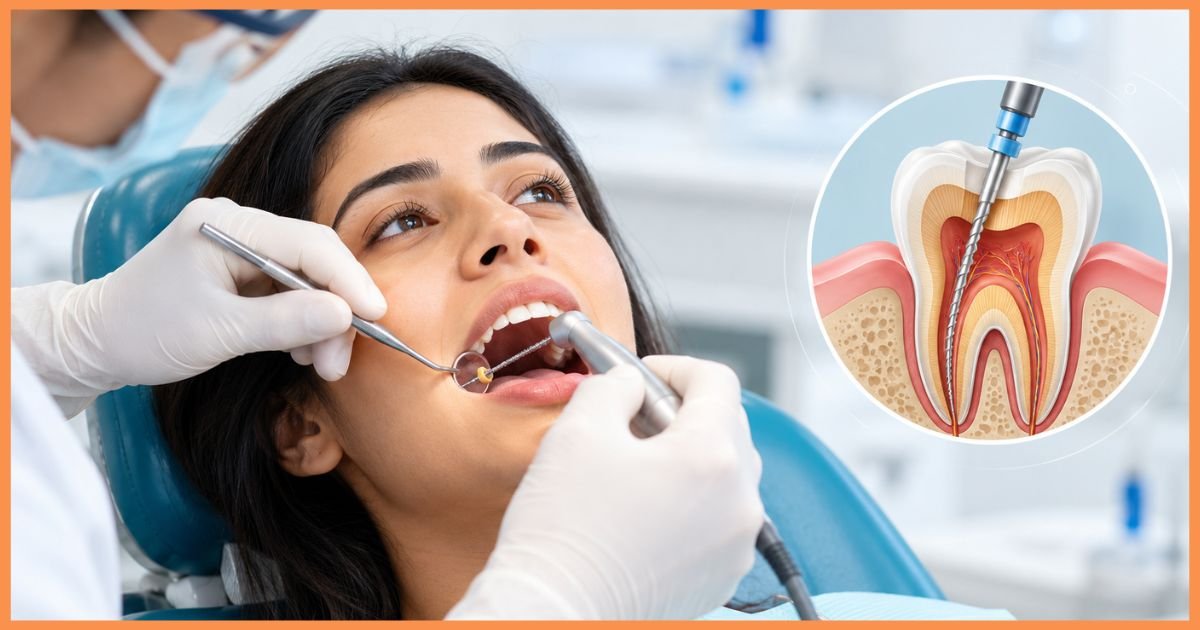
Tooth sensitivity, also known as dentin hypersensitivity, occurs when the protective enamel on your teeth becomes worn down or when gums recede, exposing the underlying dentin. This exposed dentin contains tiny nerve endings that react to temperature changes and certain foods.
The result is a sudden, sharp pain when eating or drinking something hot, cold, sweet, or acidic.
Common Causes of Tooth Sensitivity
Understanding the causes can help you prevent and manage tooth sensitivity effectively.
1. Enamel Erosion
Enamel protects the teeth from external damage. Consuming acidic foods and beverages or brushing too aggressively can wear down enamel, exposing sensitive areas.
2. Gum Recession
When gums pull away from the teeth, the root surface becomes exposed. This area is more sensitive and can cause discomfort when exposed to temperature changes.
3. Tooth Decay or Cavities
Untreated cavities can expose the inner layers of the tooth, leading to sensitivity and pain. A Best Dentist in Gurgaon can diagnose cavities early and prevent further damage.
4. Teeth Grinding (Bruxism)
Grinding your teeth, especially during sleep, can wear down enamel and increase tooth sensitivity over time.
5. Cracked or Damaged Teeth
A cracked tooth can expose the inner dentin and nerves, causing pain when chewing or drinking hot and cold beverages.
6. Recent Dental Procedures
Some people experience temporary sensitivity after dental treatments such as teeth whitening, fillings, or cleanings.
Treatment Options for Tooth Sensitivity
Fortunately, tooth sensitivity can be treated effectively with the right dental care.
Desensitizing Toothpaste
Dentists often recommend special toothpaste designed to block nerve signals from the tooth surface to the nerve.
Fluoride Treatment
Fluoride strengthens tooth enamel and reduces sensitivity. Professional fluoride treatments can provide faster relief.
Dental Bonding
If sensitivity is caused by exposed dentin, dental bonding can be used to cover the affected areas.
Gum Grafting
In cases of severe gum recession, a gum graft may be recommended to protect exposed tooth roots.
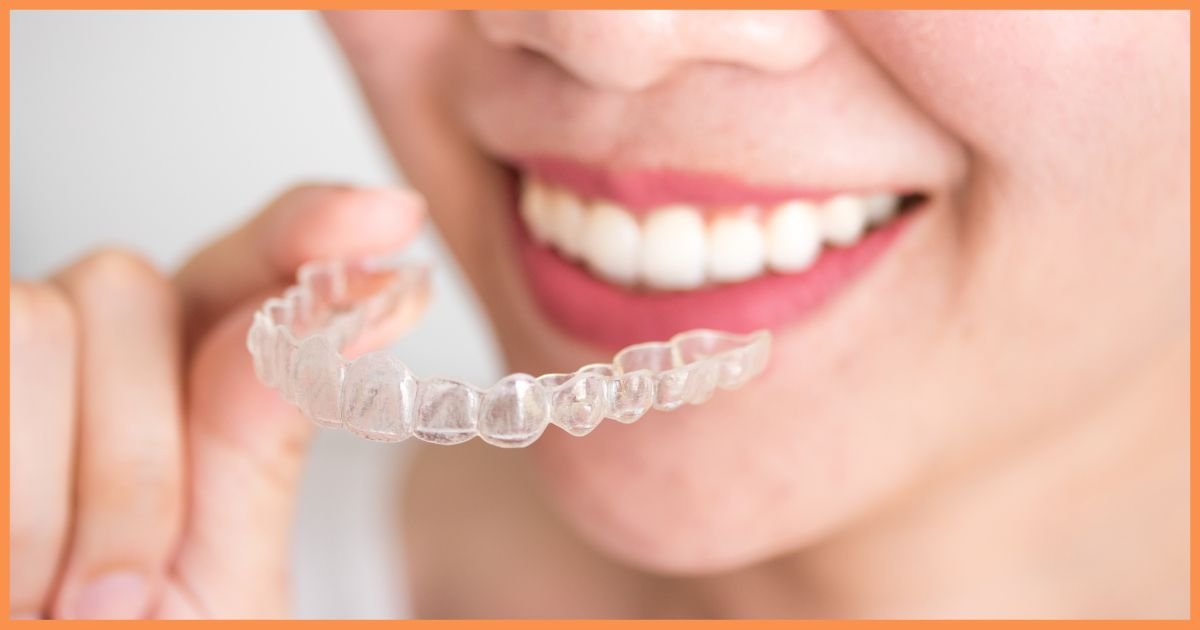
Night Guard for Teeth Grinding
If bruxism is the cause, wearing a night guard can protect teeth from further damage.
If symptoms persist, consulting a Dentist in Gurgaon at Dr Khullar Dental Clinic can help determine the best treatment for your condition.
How to Prevent Tooth Sensitivity

Prevention plays an important role in maintaining healthy teeth and avoiding sensitivity.
Practice Good Oral Hygiene
Brush twice a day using a soft-bristled toothbrush and fluoride toothpaste.
Avoid Acidic Foods
Limit consumption of acidic drinks such as soda, citrus juices, and sports drinks that can erode enamel.
Use Gentle Brushing Techniques
Brushing too hard can damage enamel and gums. Use gentle, circular motions when brushing.
Wear a Night Guard
If you grind your teeth at night, a dentist may recommend a protective mouth guard.
Visit Your Dentist Regularly
Regular dental checkups help detect early signs of enamel loss, gum disease, or cavities.
At Dr Khullar Dental Clinic, patients receive professional dental care and personalized treatment plans from the Best Dentist in Gurgaon to maintain long-term oral health.
Frequently Asked Questions (FAQs)
1. What is the main cause of tooth sensitivity?
The most common cause is enamel erosion or gum recession, which exposes the sensitive inner layer of the tooth.
2. Can tooth sensitivity go away on its own?
Mild sensitivity may improve with proper oral care and desensitizing toothpaste, but persistent sensitivity should be checked by a Dentist in Gurgaon.
3. Is tooth sensitivity a sign of a cavity?
Yes, sensitivity can sometimes indicate tooth decay or cavities, which require professional dental treatment.
4. Which toothpaste is best for sensitive teeth?
Dentists usually recommend desensitizing toothpaste containing potassium nitrate or fluoride to reduce nerve sensitivity.
5. When should I see a dentist for tooth sensitivity?
If sensitivity lasts for more than a few days or becomes severe, it is best to consult the Best Dentist in Gurgaon at Dr Khullar Dental Clinic for proper diagnosis and treatment.
Conclusion
Tooth sensitivity can affect your daily life and make eating or drinking uncomfortable. Identifying the cause early and following proper dental care can help prevent long-term problems. Treatments such as fluoride therapy, dental bonding, and desensitizing toothpaste can provide relief and protect your teeth.
If you are struggling with tooth sensitivity, visiting Dr Khullar Dental Clinic and consulting a trusted Dentist in Gurgaon can help you receive the right diagnosis and treatment to restore your comfort and oral health.