Getting braces is a major step toward achieving straighter teeth, a healthier bite, and a more confident smile. One of the first questions most patients ask their orthodontist is: “How long will I need to wear braces?”
The answer varies from person to person. While many patients complete braces treatment within 12 to 24 months, some may need less time, while complex orthodontic cases can take longer.
At Dr Khullar Dental Clinic, treatment duration is determined after evaluating your teeth, bite, jaw alignment, age, and overall orthodontic needs. Understanding what affects treatment time can help you prepare for your orthodontic journey and know what to expect at each stage.
How Long Does Braces Treatment Usually Take?
For most patients, traditional braces treatment takes approximately 12 to 24 months. However, this is only an average range and should not be considered a fixed timeline.
Some minor alignment problems may be corrected in around 6 to 12 months, while more complicated issues involving severe crowding, spacing, bite problems, or jaw relationships may require 24 months or longer.
Your orthodontist will create a personalized treatment plan based on your specific dental condition.
Typical Braces Treatment Timeline
| Type of orthodontic concern | Approximate treatment duration |
| Minor spacing or alignment | 6–12 months |
| Mild to moderate crowding | 12–18 months |
| Moderate bite or alignment problems | 18–24 months |
| Complex orthodontic cases | 24 months or longer |
These timeframes are estimates. Your actual treatment duration may be different.
What Factors Affect How Long You Need Braces?
There is no single treatment duration that applies to everyone. Several factors can influence how quickly your teeth respond to orthodontic treatment.
1. Severity of Dental Problems
The complexity of your orthodontic problem is one of the biggest factors affecting treatment time.
Simple tooth rotations or minor spacing may be corrected relatively quickly. More complicated problems, such as significant crowding, large gaps, deep bites, underbites, or crossbites, may require a longer treatment period.
2. Age and Tooth Development
Braces can be effective for children, teenagers, and adults. However, treatment planning can differ depending on age and dental development.
For younger patients, orthodontists may sometimes take advantage of ongoing jaw growth. Adults can also achieve excellent results, although certain complex cases may require additional planning.
Age alone does not determine how long treatment will take.
3. Type of Braces
Different orthodontic appliances work in different ways and may be recommended depending on your dental needs.
Options can include:
- Traditional metal braces
- Ceramic braces
- Self-ligating braces
- Other orthodontic appliances when clinically appropriate
The best option is not necessarily the one that promises the shortest treatment time. Your orthodontist should recommend an appliance based on your teeth, bite, treatment goals, and overall oral health.
4. Patient Compliance
Your cooperation can have a significant impact on treatment progress.
If your orthodontist recommends elastics, removable appliances, or specific cleaning routines, following those instructions consistently can help keep treatment on schedule.
Missed instructions can sometimes delay tooth movement and extend the overall treatment period.
5. Missed Orthodontic Appointments
Regular appointments allow your orthodontist to monitor tooth movement and make necessary adjustments.
Missing appointments repeatedly can interrupt treatment progress and may increase the total time you need to wear braces.
6. Oral Hygiene
Good oral hygiene is especially important while wearing braces.
Food can collect around brackets and wires, increasing the risk of plaque buildup, tooth decay, and gum problems. If oral health problems develop, your orthodontist may need to modify or temporarily pause aspects of treatment.
Brushing carefully, cleaning between teeth, and attending regular dental check-ups can help keep your treatment progressing smoothly.
7. Individual Tooth Movement
Teeth do not move at exactly the same speed in every patient.
Biological factors, bone characteristics, tooth position, and the type of movement required can all influence how quickly orthodontic correction occurs.
This is why comparing your treatment timeline with a friend or family member may not give you an accurate expectation.
Can Braces Straighten Teeth in 6 Months?
Some patients with minor orthodontic concerns may see noticeable improvement within six months. However, six-month treatment is not appropriate for every patient.
Straightening the visible front teeth may be possible relatively quickly in selected cases, but comprehensive orthodontic treatment often involves more than making the front teeth look straighter.
Your orthodontist may also need to correct:
- Your bite
- Tooth rotations
- Crowding
- Spacing
- Tooth positioning
- The relationship between the upper and lower teeth
The goal should be a stable, functional, and healthy result rather than simply moving visible teeth into a straighter position as quickly as possible.
When Will You Start Seeing Results From Braces?
Many patients begin noticing changes within the first few months of treatment. However, early visible changes do not mean that treatment is complete.
Orthodontic treatment generally involves gradual tooth movement. Your teeth need time to move into their planned positions and for your bite to be properly coordinated.
You may notice:
First few months:
Early changes in tooth alignment may become visible.
Middle stage:
Crowding, spacing, rotations, and bite relationships are progressively corrected.
Final stage:
Your orthodontist focuses on detailed positioning, bite refinement, and preparing your teeth for retention.
Remember that every treatment plan is different.
Why Should You Not Try to Speed Up Braces Treatment?
It is natural to want your braces removed as soon as possible. However, orthodontic treatment must allow your teeth and surrounding tissues to adapt gradually.
Trying to move teeth too quickly can potentially create unwanted complications. Your orthodontist determines the appropriate force and treatment sequence based on your individual needs.
The focus should be safe, controlled tooth movement and a stable final result, rather than simply shortening the treatment timeline.
What Happens During Braces Treatment?
Understanding the treatment process can make the overall experience easier.
Step 1: Orthodontic Assessment
Your dentist or orthodontist examines your teeth, gums, bite, and jaw relationship. Diagnostic records such as photographs, dental scans, or X-rays may be recommended when necessary.
Step 2: Treatment Planning
Based on your examination, your dental professional develops an individualized treatment plan.
The plan may include the recommended type of braces, expected treatment stages, appointment schedule, and estimated duration.
Step 3: Braces Placement
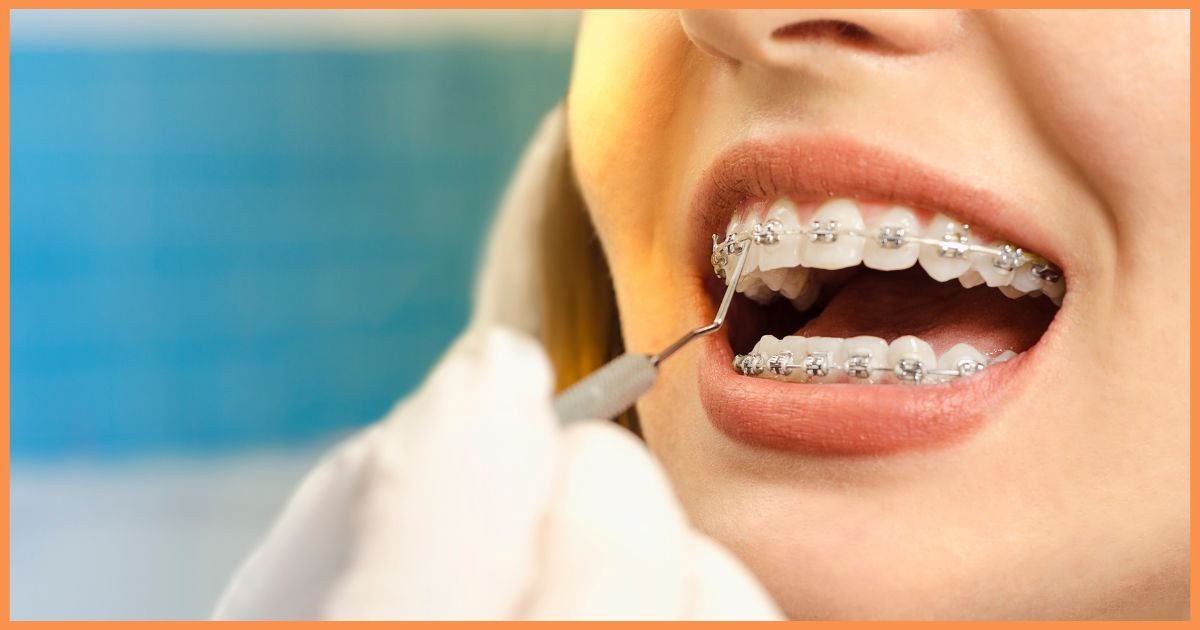
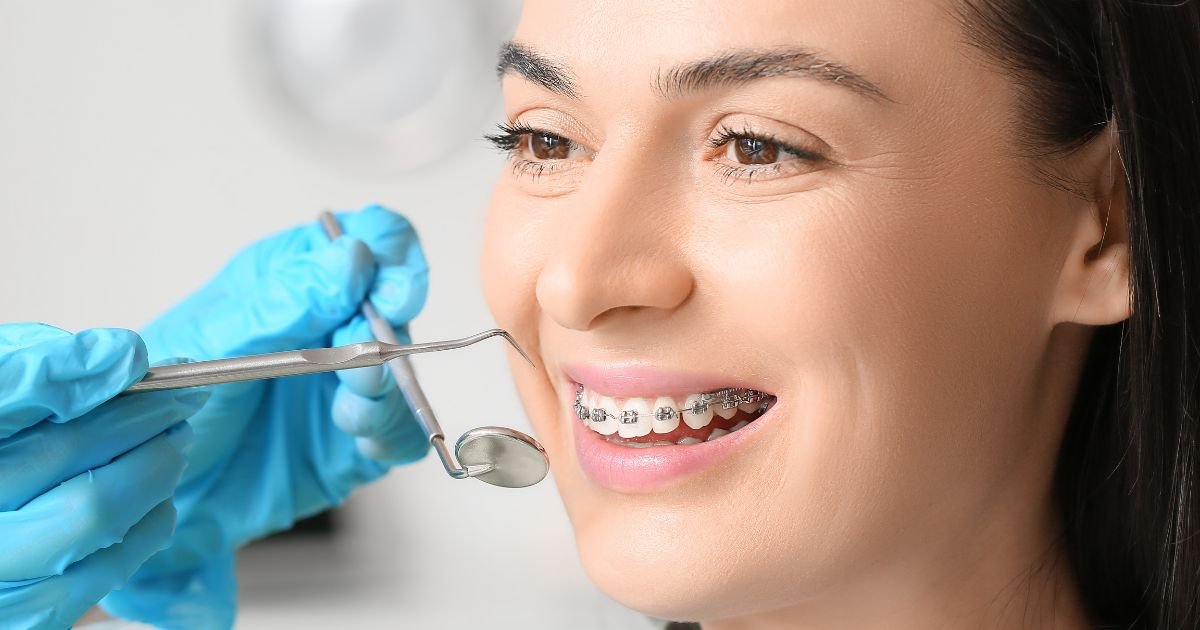
The brackets are carefully positioned on your teeth and connected with orthodontic wires.
You may experience some pressure or mild discomfort during the first few days as your teeth begin adapting.
Step 4: Regular Adjustments
You will have periodic appointments so your orthodontist can monitor progress and make appropriate adjustments.
The frequency of visits depends on your treatment plan.
Step 5: Braces Removal
Once your teeth and bite have reached the planned positions, the braces are removed.
However, orthodontic treatment does not necessarily end there.
Step 6: Retention
Retainers help maintain your teeth in their corrected positions.
Without proper retention, teeth can gradually shift over time. Wearing your retainer according to your orthodontist’s instructions is an important part of protecting your results.
Braces Treatment in Gurgaon
If you are considering orthodontic treatment, choosing an experienced dental team is an important part of the process.
At Dr Khullar Dental Clinic, patients can receive an individualized orthodontic assessment to understand their alignment concerns and available treatment options.
If you are looking for Braces Treatment in Gurgaon, a professional evaluation can help determine whether braces are appropriate for you and provide a realistic estimate of your treatment duration.
Rather than relying on a standard timeline, your treatment should be planned around your individual dental condition and desired outcome.
Braces Treatment in DLF Phase 3
Patients searching for Braces Treatment in DLF Phase 3 can benefit from a detailed orthodontic consultation before beginning treatment.
During an assessment, your dental professional can evaluate crowding, spacing, tooth alignment, and bite problems. This helps determine the appropriate orthodontic approach and gives you a better understanding of how long treatment may take.
The exact duration will depend on your individual case rather than your location or the type of braces alone.
Braces Treatment in Sector 83 Gurgaon
For patients looking for Braces Treatment in Sector 83 Gurgaon, an orthodontic consultation is the first step toward understanding their treatment needs.
A personalized examination can help identify the cause and severity of tooth alignment or bite problems. Your dentist can then recommend an appropriate treatment approach and explain the expected stages of correction.
How Can You Help Keep Your Braces Treatment on Track?
While you cannot control every biological factor involved in orthodontic treatment, you can take several steps to avoid unnecessary delays.
Follow Your Orthodontist’s Instructions
If you are prescribed elastics or other appliances, use them exactly as instructed.
Maintain Excellent Oral Hygiene
Brush around brackets carefully and clean between your teeth regularly.
Avoid Damaging Foods
Hard, sticky, or excessively chewy foods can damage brackets and wires. Follow the dietary instructions provided by your dental professional.
Attend Scheduled Appointments
Regular visits allow your orthodontist to monitor your progress and make adjustments when needed.
Contact Your Dental Clinic About Broken Braces
If a bracket becomes loose or a wire breaks, contact your dental clinic instead of trying to fix the appliance yourself.
Are Braces Worth the Time?
For many patients, the answer is yes.
Orthodontic treatment can improve tooth alignment and bite function while creating a more balanced smile. Properly aligned teeth may also be easier to clean, which can support long-term oral hygiene.
However, braces are not simply a cosmetic treatment. Correcting certain bite and alignment problems can also contribute to better oral function.
The key is to focus on achieving a healthy and stable result rather than choosing treatment solely based on how quickly it can be completed.
Frequently Asked Questions About Braces Treatment
How long do braces take to straighten teeth?
Most traditional braces treatments take approximately 12 to 24 months, although the duration varies according to the patient’s age, dental condition, bite, treatment complexity, and compliance.
Can braces work in less than a year?
Yes, selected patients with relatively minor alignment problems may complete treatment in less than a year. However, not every orthodontic case can be safely treated within that timeframe.
What makes braces treatment take longer?
Severe crowding, complex bite problems, significant tooth rotations, poor oral hygiene, missed appointments, broken appliances, and failure to follow orthodontic instructions can contribute to longer treatment.
Do adults take longer to get results with braces?
Adults can respond very well to orthodontic treatment. However, treatment duration depends more on the complexity of the case and individual biological factors than age alone.
How often do I need to visit the dentist while wearing braces?
Your orthodontist will determine your appointment schedule based on your treatment plan. Regular visits are important for monitoring tooth movement and making necessary adjustments.
Will my teeth stay straight after braces?
Retainers are generally an important part of maintaining the results of orthodontic treatment. Teeth can shift over time, so following your orthodontist’s retention instructions is essential.
Is braces treatment painful?
You may experience mild soreness or pressure after braces are placed or adjusted. This generally improves as your mouth adapts. If you experience significant or persistent pain, contact your dental professional.
How do I know exactly how long my braces will take?
The most reliable way to estimate treatment duration is through an orthodontic examination. Your dentist or orthodontist can assess your teeth and bite and develop a personalized treatment plan.
Get a Personalized Braces Treatment Plan
There is no universal answer to how long braces take. While many patients complete treatment within 12 to 24 months, your timeline depends on your individual teeth, bite, treatment complexity, biological response, and cooperation throughout treatment.
If you are considering Braces Treatment in Gurgaon, consult Dr Khullar Dental Clinic for an individualized assessment.
A proper orthodontic evaluation can help you understand your treatment options, expected timeline, and the steps needed to achieve a healthier, straighter smile.