A bright, healthy-looking smile can make you feel more confident when you meet people, attend special occasions, or simply smile for a photograph. However, teeth can gradually become yellow or stained due to everyday habits, ageing, certain foods and drinks, tobacco use, and other factors.
This is where professional teeth whitening can help.
Professional teeth whitening is a cosmetic dental treatment designed to lighten the colour of natural teeth and reduce certain types of tooth discolouration. Unlike many over-the-counter products, professional whitening is planned according to your dental condition and whitening goals.
At Dr Khullar Dental Clinic, teeth whitening begins with an assessment of your teeth and gums so that the appropriate approach can be recommended for your smile.
What Is Professional Teeth Whitening?
Professional teeth whitening is a cosmetic dental procedure that uses whitening agents to lighten the colour of natural teeth.
Depending on the treatment approach, whitening products may contain peroxide-based ingredients that break down certain stain molecules within the tooth structure. This can make the teeth appear lighter.
The results can vary from person to person because not all types of tooth discolouration respond to whitening in the same way.
Professional treatment is particularly useful because your dentist can first determine:
- The cause of your tooth discolouration
- Whether your teeth and gums are healthy enough for whitening
- Whether whitening is likely to achieve your desired result
- Whether another cosmetic or restorative treatment may be more appropriate
How Does Professional Teeth Whitening Make Your Smile Brighter?
The basic principle behind professional whitening is the controlled use of a whitening agent.
When applied appropriately, the whitening agent can interact with certain compounds responsible for tooth stains. As these stain molecules are broken down or altered, the teeth can appear lighter.
The overall process may involve:
Dental assessment → Whitening preparation → Application of whitening product → Controlled treatment → Post-treatment guidance
The exact procedure depends on the whitening system and approach recommended by your dental professional.
What Causes Teeth to Become Yellow or Stained?
Before choosing teeth whitening, it is useful to understand why teeth become discoloured.
Food and Drinks
Regular consumption of certain foods and drinks can contribute to surface staining.
Common examples include:
- Tea
- Coffee
- Cola and other dark-coloured beverages
- Certain sauces
- Berries and strongly pigmented foods
Tobacco Use
Smoking and other tobacco products can contribute to noticeable tooth staining over time.
Ageing
As people age, the outer enamel can become thinner, allowing the naturally darker dentine underneath to become more visible.
Poor Oral Hygiene
Plaque and tartar accumulation can make teeth appear dull or discoloured.
Certain Medications or Dental Conditions
Some types of intrinsic tooth discolouration may be related to medications, developmental conditions, trauma, or changes within the tooth.
Not all of these stains respond equally well to conventional whitening, which is why professional evaluation is important.
What Happens During Professional Teeth Whitening?
The exact procedure varies depending on the whitening method selected.
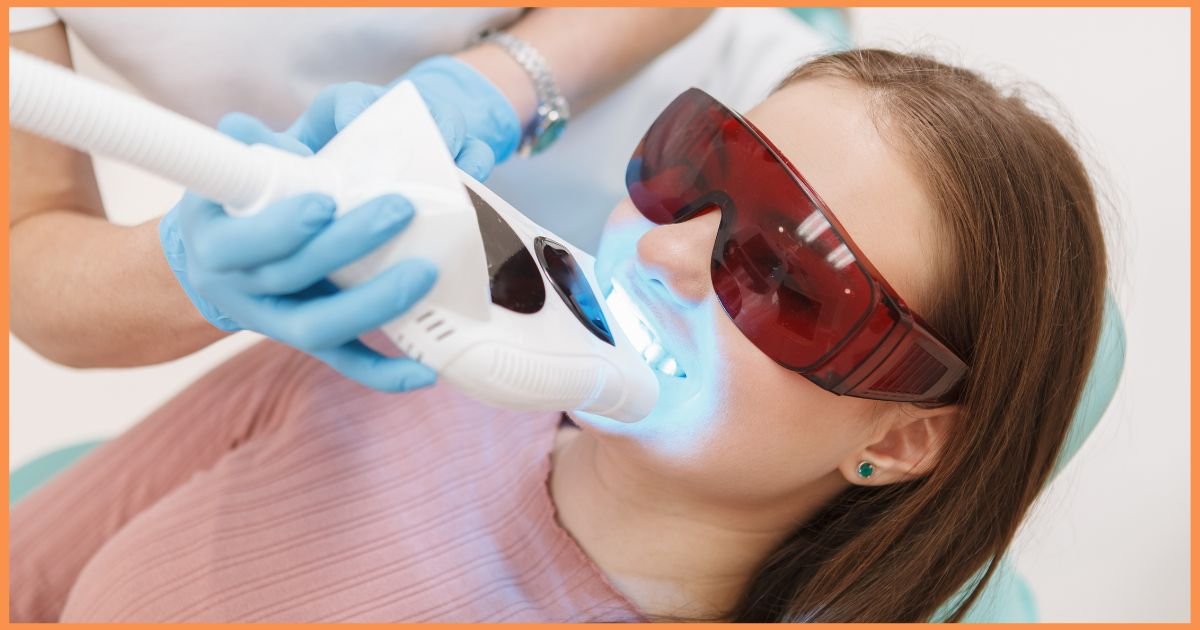
A professional whitening appointment may involve the following steps.
1. Dental Examination
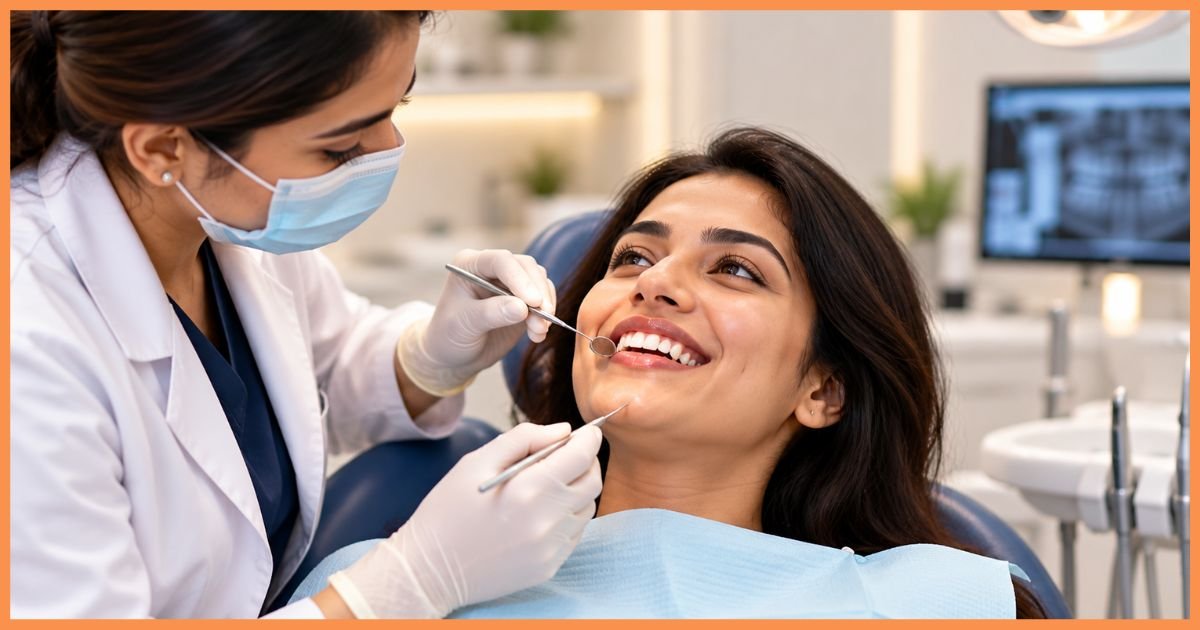
Your dentist examines your teeth and gums to identify cavities, gum problems, cracks, worn enamel, or other conditions that may need attention before whitening.
2. Shade Assessment
Your dentist may record your current tooth shade so that changes can be evaluated after treatment.
3. Preparation
The teeth and surrounding tissues are prepared according to the whitening system being used.
Protecting the gums and soft tissues is an important part of professional treatment.
4. Application of the Whitening Agent
The whitening product is carefully applied to the teeth according to the manufacturer’s and dentist’s instructions.
5. Treatment and Monitoring
The whitening agent is left in contact with the teeth for the recommended period. Your dental professional monitors the process and follows the appropriate treatment protocol.
6. Aftercare Guidance
You may receive recommendations about oral hygiene, diet, sensitivity management, and maintaining your whitening results.
How Quickly Can Professional Teeth Whitening Brighten Your Smile?
One of the advantages of professional whitening is that noticeable changes may occur relatively quickly, depending on the treatment method and the type of staining.
However, the exact result cannot be guaranteed because every person’s teeth respond differently.
Factors that can influence the outcome include:
- Original tooth shade
- Type of staining
- Age of the teeth
- Oral health
- Whitening method
- Lifestyle habits
- Number of treatments
- Individual response to whitening
Your dentist can give you a more realistic expectation after examining your teeth.
Is Professional Teeth Whitening Safe?
Professional teeth whitening is generally considered safe when appropriate products are used correctly and treatment is performed or supervised by a qualified dental professional.
Temporary tooth sensitivity or gum irritation can occur in some patients.
This is one reason why a dental assessment before whitening is important. Your dentist can identify existing dental problems and determine whether whitening is appropriate for you.
If you already have cavities, gum disease, exposed tooth roots, cracked teeth, or significant sensitivity, these issues may need to be addressed before cosmetic whitening.
Does Teeth Whitening Damage Enamel?
When appropriate whitening products are used according to recommended instructions, professional teeth whitening is designed to lighten natural teeth without unnecessarily damaging the enamel.
Problems are more likely when whitening products are misused, overused, or applied incorrectly.
Avoid using excessive amounts of whitening products or combining multiple whitening methods without professional guidance.
Can Professional Teeth Whitening Remove Every Type of Stain?
No.
Professional whitening can be effective for many types of tooth discolouration, but some stains may respond poorly or unevenly.
For example, certain deep internal stains, medication-related discolouration, dental restorations, crowns, veneers, and fillings may not change colour in the same way as natural teeth.
If you have restorations on visible teeth, your dentist should consider their colour before whitening because whitening natural teeth does not necessarily whiten existing restorations.
How Long Do Teeth Whitening Results Last?
Whitening results are not permanent.
The duration can vary depending on your diet, oral hygiene, tobacco use, age, and natural changes in tooth colour.
You can help maintain your results by:
- Brushing your teeth regularly
- Cleaning between your teeth
- Limiting frequent consumption of heavily staining foods and drinks
- Avoiding tobacco products
- Attending regular dental check-ups
- Following your dentist’s whitening maintenance advice
Some patients may benefit from periodic maintenance treatment, but the timing should be determined according to individual needs.
Professional Teeth Whitening vs. Home Whitening
Both professional and at-home whitening approaches can have a role in cosmetic dentistry.
Professional Teeth Whitening
Professional treatment offers:
- Dental assessment before whitening
- Controlled use of whitening products
- Professional guidance
- Treatment tailored to your dental condition
- Monitoring during treatment
At-Home Whitening
Dentists may sometimes recommend professionally supervised home whitening using customized trays and appropriate whitening products.
The most suitable option depends on your dental health, desired results, lifestyle, and the type of discolouration.
Who Is a Good Candidate for Teeth Whitening?
Professional teeth whitening may be suitable for adults with healthy teeth and gums who want to improve the colour of their natural teeth.
Before treatment, your dentist should assess whether whitening is appropriate.
You may need dental treatment first if you have:
- Untreated cavities
- Active gum disease
- Significant tooth sensitivity
- Cracked or damaged teeth
- Other untreated oral health problems
Pregnant or breastfeeding patients should discuss cosmetic whitening with their healthcare and dental professionals before proceeding.
What Are the Benefits of Professional Teeth Whitening?
Brighter Smile
The primary goal is to lighten discoloured natural teeth.
Improved Smile Appearance
Reducing visible stains can make your smile appear cleaner and brighter.
Professional Supervision
Treatment is planned around your dental condition and whitening goals.
Personalized Approach
Your dentist can assess the type of staining and recommend an appropriate method.
Confidence Boost
Many people feel more comfortable smiling after improving the appearance of their teeth.
How Can You Prepare for Teeth Whitening?
Before whitening, make sure your dentist knows about any existing sensitivity, dental treatment, or oral health concerns.
Your dentist may recommend:
- A dental check-up
- Professional cleaning if needed
- Treatment of cavities
- Gum treatment where required
- Assessment of existing crowns, veneers, or fillings
- Discussion of your desired shade
A good whitening result starts with healthy teeth and gums.
What Should You Avoid After Teeth Whitening?
Immediately after whitening, your teeth may be more sensitive and susceptible to staining.
Your dentist may recommend temporarily limiting strongly coloured foods and drinks.
Depending on your treatment, you may be advised to reduce or avoid:
- Tea and coffee
- Cola
- Tobacco
- Dark sauces
- Highly pigmented foods
Follow the specific aftercare instructions provided by your dental professional.
Can Teeth Whitening Replace Good Oral Hygiene?
No.
Whitening is a cosmetic treatment, not a substitute for daily dental care.
Even after professional whitening, you should continue to:
- Brush twice daily
- Clean between your teeth
- Maintain a balanced diet
- Limit excessive sugar intake
- Attend regular dental check-ups
Good oral hygiene helps keep your smile healthy as well as attractive.
Teeth Whitening in Gurgaon
If you are considering Teeth Whitening in Gurgaon, the first step should be a professional dental evaluation.
At Dr Khullar Dental Clinic, the condition of your teeth and gums can be assessed before recommending cosmetic whitening. This helps determine whether whitening is appropriate and what type of result may realistically be expected.
Professional guidance can also help minimize unnecessary sensitivity and ensure that underlying dental problems are not overlooked.
Teeth Whitening in DLF Phase 3
Patients searching for Teeth Whitening in DLF Phase 3 may be considering professional whitening to address yellowing or surface stains.
Before treatment, a dentist can assess the cause of your tooth discolouration and determine whether professional whitening is likely to provide the desired improvement.
If cavities, gum problems, or other dental concerns are identified, these may need to be addressed before cosmetic treatment.
Teeth Whitening in Sector 54 Gurgaon
If you are looking for Teeth Whitening in Sector 54 Gurgaon, professional assessment is an important part of achieving predictable cosmetic results.
Dr Khullar Dental Clinic can evaluate your oral health, discuss your expectations, and explain the available whitening options.
The appropriate treatment depends on your natural tooth colour, type of staining, dental health, and desired outcome.
How Can You Maintain a Whiter Smile?
Maintaining your whitening results requires consistent care.
Brush Twice a Day
Use a fluoride toothpaste and brush gently but thoroughly.
Clean Between Your Teeth
Floss or use interdental cleaning aids to remove plaque from areas your toothbrush cannot reach.
Limit Staining Habits
Frequent tea, coffee, tobacco, and other staining habits can contribute to recurring discolouration.
Drink Water Regularly
Water can help rinse away food particles and pigments after meals and drinks.
Schedule Dental Check-Ups
Professional dental visits allow your dentist to monitor your oral health and address problems early.
Frequently Asked Questions About Teeth Whitening
How does professional teeth whitening work?
Professional teeth whitening uses a controlled whitening agent to break down certain stain compounds in natural teeth, making them appear lighter.
Is professional teeth whitening better than home whitening?
Professional treatment provides dental assessment and professional guidance. Your dentist can recommend either in-office or professionally supervised home whitening depending on your individual needs.
How long does professional teeth whitening take?
Treatment time varies according to the whitening method, product used, and individual treatment plan. Your dentist can explain the expected duration during your consultation.
Does teeth whitening hurt?
Some patients experience temporary sensitivity during or after whitening. Your dentist can provide guidance on reducing and managing sensitivity.
Can yellow teeth become white with professional whitening?
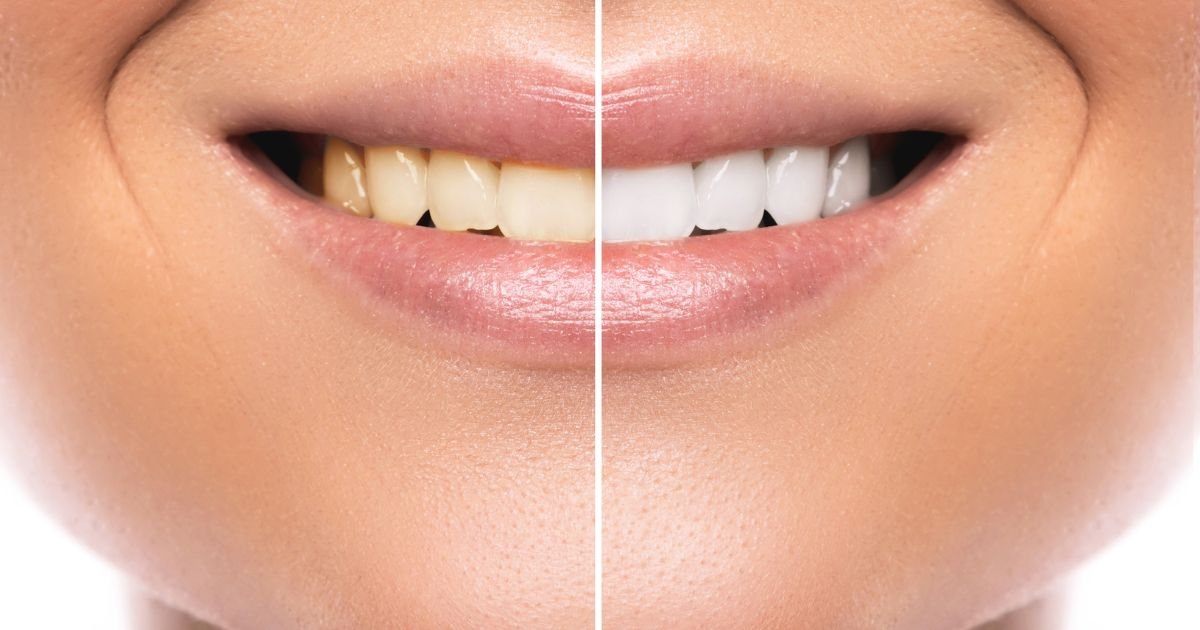
Many types of yellow or stained natural teeth can become noticeably lighter with professional whitening. However, the degree of improvement depends on the cause and depth of the discolouration.
Does teeth whitening work on crowns and fillings?
Whitening products generally work on natural tooth structure and do not whiten restorations such as crowns or fillings in the same way. Your dentist should consider existing restorations when planning cosmetic treatment.
How often can I get teeth whitening?
There is no universal schedule for everyone. Your dentist can recommend whether and when maintenance whitening is appropriate based on your teeth and previous treatment.
Can I drink coffee after teeth whitening?
Coffee can contribute to tooth staining. Your dentist may recommend limiting or temporarily avoiding strongly coloured beverages after whitening, particularly during the immediate post-treatment period.
Is teeth whitening permanent?
No. Teeth can gradually become discoloured again because of diet, lifestyle, ageing, and other factors. Good oral hygiene and appropriate maintenance can help prolong the results.
Who should avoid teeth whitening?
People with untreated cavities, active gum disease, significant sensitivity, or certain dental conditions may need treatment before whitening. A dental assessment is recommended before starting cosmetic whitening.
Give Your Smile a Brighter Appearance
Professional teeth whitening can be an effective way to improve the appearance of naturally discoloured teeth when it is appropriately planned and performed.
The key is to look beyond simply choosing the strongest whitening product. A professional dental assessment helps identify the cause of discolouration, check your oral health, discuss realistic expectations, and select an appropriate treatment approach.
If you are considering Teeth Whitening in Gurgaon,Dr Khullar Dental Clinic can assess your smile and discuss suitable cosmetic options.
A brighter smile starts with healthy teeth and personalized dental care.