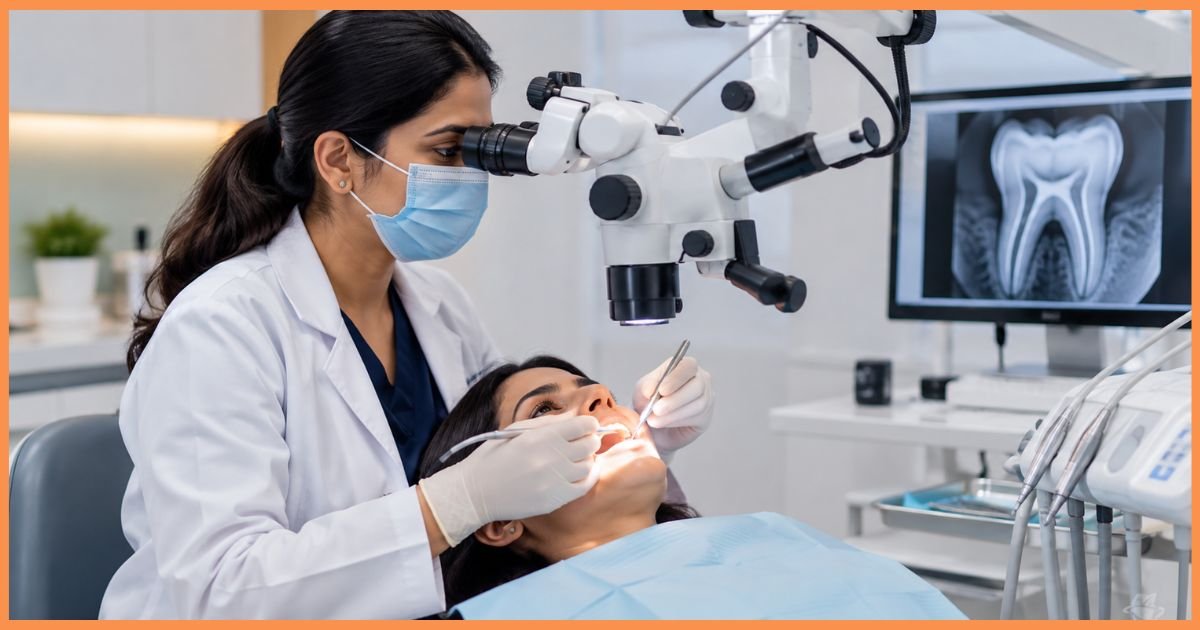
Persistent tooth pain, sensitivity to hot or cold, pain while chewing, or swelling around a tooth can be signs that you need more than a routine dental check-up. In such situations, an endodontist may be the dental specialist you need.
Endodontists specialize in diagnosing and treating problems involving the dental pulp and tissues surrounding the roots of teeth. They commonly manage conditions requiring root canal treatment and other procedures designed to relieve pain and preserve natural teeth.
But how do you choose the right endodontist?
Finding a suitable specialist involves more than searching for the closest clinic or choosing the first result online. Qualifications, relevant experience, diagnostic approach, treatment planning, technology, communication, hygiene standards, and follow-up care should all be considered.
If you are looking for an endodontist in Gurgaon, this guide can help you understand what to look for before choosing a dental professional.
What Is an Endodontist?
An endodontist is a dental specialist who focuses on the diagnosis and treatment of diseases and injuries affecting the dental pulp and tissues surrounding the roots of teeth.
The dental pulp contains nerves, blood vessels, and connective tissue. When it becomes inflamed or infected, treatment may be required to prevent the problem from progressing.
Endodontists commonly treat conditions such as:
- Deep tooth decay affecting the pulp
- Dental infections
- Dental abscesses
- Traumatic tooth injuries
- Cracked teeth
- Persistent tooth pain
- Complications following previous root canal treatment
- Certain problems involving the tissues around the tooth root
The goal of endodontic treatment is often to eliminate infection or inflammation and preserve the natural tooth whenever it can be predictably restored.
When Should You See an Endodontist?
Not every toothache requires an endodontist. A general dentist can manage many routine dental conditions.
However, specialist evaluation may be appropriate when you have symptoms or dental problems involving the tooth’s pulp or root.
You may need an endodontic assessment if you experience:
Persistent Tooth Pain
Pain that continues, returns frequently, or occurs without an obvious trigger should be evaluated by a dental professional.
Prolonged Hot or Cold Sensitivity
If a tooth remains painful for an extended period after exposure to hot or cold foods and drinks, it may indicate irritation or inflammation of the dental pulp.
Pain While Biting
Discomfort when biting or chewing can have several causes, including problems affecting the tooth’s internal tissues or surrounding structures.
Swelling Around a Tooth
Swelling or tenderness near a specific tooth can sometimes indicate infection and requires timely dental assessment.
A Dental Abscess
An abscess can develop when infection spreads from inside a tooth into surrounding tissues. Professional treatment is important because dental infections should not be ignored.
Tooth Injury
A blow or accident involving a tooth can damage the pulp even when the tooth does not appear severely broken.
Problems With a Previous Root Canal
If a previously treated tooth develops pain, swelling, or other symptoms, an endodontic evaluation may help determine the cause.
Remember that these symptoms can have multiple causes. A dental examination is necessary to determine the appropriate diagnosis and treatment.
What Should You Consider When Choosing an Endodontist?
Choosing the right endodontist is a personal decision, but several practical factors can help you make an informed choice.
1. Check Qualifications and Specialist Training
Start by verifying the dental professional’s qualifications and relevant specialist training.
Endodontic treatment involves detailed knowledge of tooth anatomy, root canal systems, dental pulp disease, and procedures designed to preserve natural teeth.
If you require complex treatment, ask whether the dentist has appropriate training and experience in managing similar cases.
Qualifications should be considered alongside clinical experience and the individual’s specific treatment needs.
2. Consider Relevant Clinical Experience
Experience matters, particularly when treating complicated root canal anatomy, retreatment cases, cracked teeth, or dental trauma.
You can ask your dentist about their experience with the type of procedure you may require.
However, the number of procedures performed should not be the only deciding factor. Appropriate diagnosis, careful planning, patient safety, and sound clinical judgment are equally important.
3. Look for a Thorough Diagnostic Approach
Accurate diagnosis is one of the most important parts of endodontic treatment.
Tooth pain does not always originate from the tooth you think is causing the problem. Your dentist may need to evaluate your symptoms, perform clinical tests, and use appropriate dental imaging.
Depending on your condition, diagnostic tools may include:
- Dental X-rays
- Digital radiography
- Dental pulp testing
- Clinical examination
- Bite tests
- 3D imaging when clinically indicated
A thorough diagnostic process helps distinguish endodontic problems from other causes of dental pain.
4. Ask About the Treatment Plan
Before starting treatment, you should understand what is being recommended and why.
Your endodontist should be able to explain:
- Your dental condition
- Why treatment is necessary
- Whether root canal treatment is appropriate
- Available alternatives
- Expected treatment stages
- Approximate treatment duration
- Potential risks and complications
- Follow-up requirements
- Restoration requirements
Clear communication allows you to make informed decisions about your dental care.
5. Consider Modern Dental Technology
Technology can support diagnosis and treatment planning in endodontics.
Depending on the case, an endodontic practice may use technologies such as digital X-rays, magnification, specialized instruments, and 3D imaging.
However, technology should not be viewed as a substitute for professional expertise. The most appropriate technology depends on the clinical situation.
6. Evaluate Infection-Control and Hygiene Practices
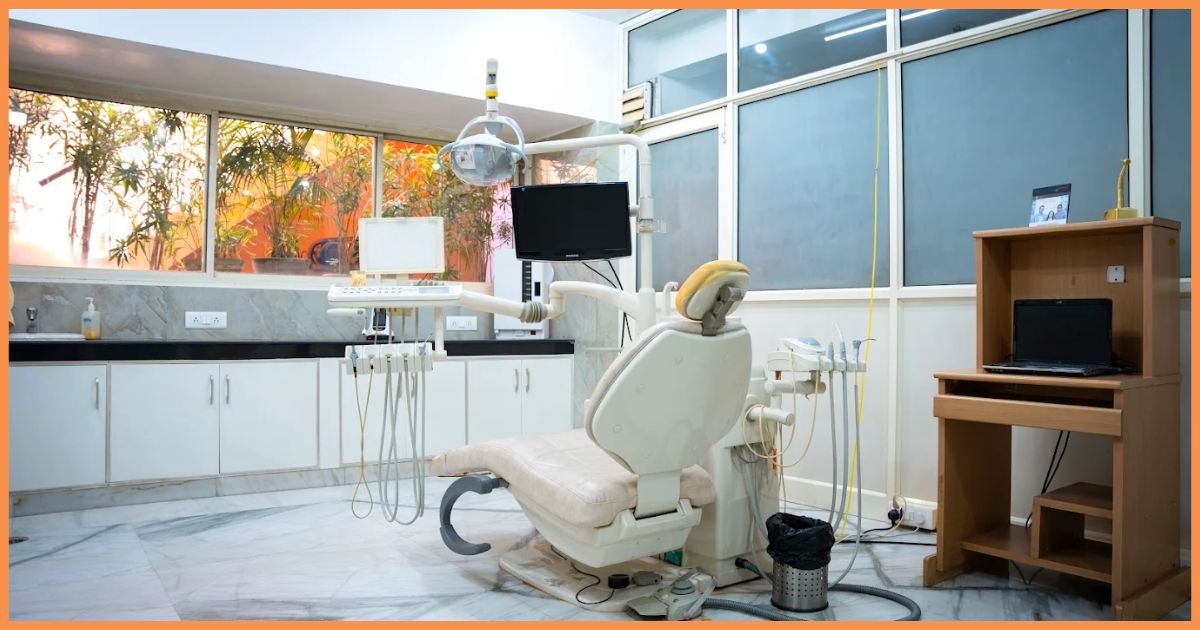
A dental clinic should follow appropriate infection-control and sterilization protocols.
Pay attention to the clinic’s overall cleanliness and organization.
If you have questions about sterilization or infection-control procedures, it is reasonable to discuss them with the dental team before treatment.
Patient safety should always be a priority.
7. Look for Clear and Honest Communication
A good endodontic consultation should leave you with a clear understanding of your condition.
You should feel comfortable asking questions such as:
- Why does my tooth hurt?
- Do I actually need a root canal?
- Are there alternatives?
- What happens if I delay treatment?
- How many appointments might I need?
- Will I need a crown afterward?
- What should I expect during recovery?
A dentist who takes time to explain these points can make the treatment process easier to understand.
8. Consider the Complete Treatment Journey
Root canal treatment is not necessarily the end of treatment.
After the internal infection or inflammation has been treated, the tooth may require a suitable final restoration.
Depending on how much tooth structure remains, your dentist may recommend a filling, crown, or another restoration.
Ask how the entire treatment process will be coordinated before starting.
9. Review Patient Feedback Carefully
Online reviews can offer insight into patient experiences, but they should not be the only factor in choosing an endodontist.
Look for consistent patterns in reviews relating to:
- Communication
- Professionalism
- Appointment experience
- Patient comfort
- Follow-up care
- Clinic environment
At the same time, consider qualifications, clinical approach, and your personal consultation experience.
10. Consider Convenience
Endodontic treatment may involve more than one visit, depending on the complexity of the case.
Choosing a clinic that is reasonably convenient for you can make attending appointments and follow-up visits easier.
However, convenience should complement-not replace-clinical quality when selecting an endodontist.
Endodontist vs General Dentist: What’s the Difference?
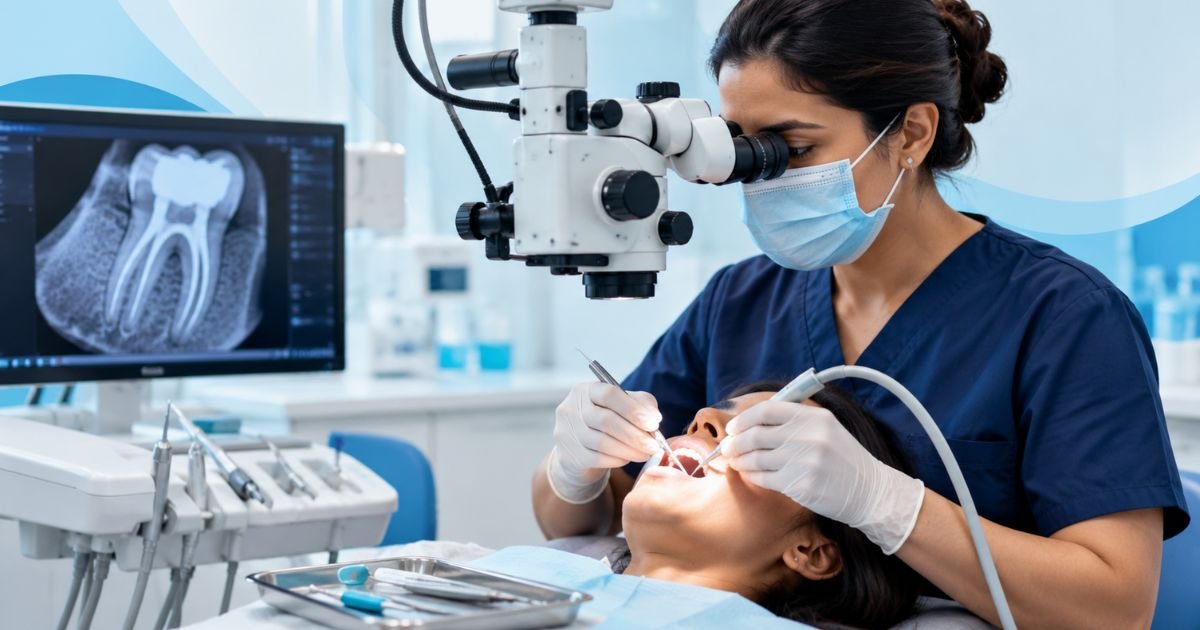
A general dentist provides a broad range of dental services, including preventive care, fillings, crowns, gum care, and many routine procedures.
An endodontist focuses specifically on problems involving the dental pulp and tissues surrounding tooth roots.
A general dentist may perform many routine root canal treatments. More complicated cases may be referred to an endodontist, particularly when there are concerns involving:
- Difficult root canal anatomy
- Previously treated teeth
- Persistent symptoms
- Dental trauma
- Complex infections
- Cracked teeth
- Calcified or narrow canals
Your general dentist can help determine whether specialist endodontic care is appropriate.
What Can an Endodontist Treat?
Endodontists may manage a range of conditions affecting the inside of teeth and surrounding root tissues.
Root Canal Treatment
Root canal treatment removes infected or inflamed pulp, cleans and disinfects the root canal system, and seals it.
Root Canal Retreatment
If a previously treated tooth develops problems, retreatment may sometimes be considered after evaluating the cause.
Dental Trauma
Injuries can damage the dental pulp. An endodontist can evaluate an injured tooth and determine appropriate treatment.
Cracked Teeth
Some cracks can affect the pulp and cause pain. Diagnosis can be challenging, so professional evaluation is important.
Dental Abscess
When infection develops inside a tooth and spreads into surrounding tissues, endodontic treatment may be required to address the source of infection.
How Does Root Canal Treatment Help Save a Tooth?
When the pulp becomes irreversibly inflamed or infected, removing the affected tissue can help eliminate the source of the problem.
During root canal treatment, the dentist generally:
- Examines and diagnoses the affected tooth.
- Numbs the area using local anaesthesia.
- Creates access to the inside of the tooth.
- Removes infected or damaged pulp.
- Cleans and disinfects the root canals.
- Shapes the canals.
- Fills and seals the canals.
- Restores the tooth with an appropriate restoration.
The exact procedure can vary depending on the tooth and clinical situation.
Is Endodontic Treatment Painful?
Many patients worry about pain before root canal treatment.
Modern endodontic procedures are generally performed using local anaesthesia to keep the treatment area numb.
You may experience pressure during treatment, and some soreness or sensitivity can occur afterward. The amount of discomfort varies from patient to patient and depends partly on the condition of the tooth before treatment.
If you experience severe or persistent pain after treatment, contact your dental professional.
How Can You Prepare for an Endodontic Appointment?
A little preparation can make your visit easier.
Before your appointment:
- Make a list of medications you take.
- Inform your dentist about relevant medical conditions or allergies.
- Explain when your pain started.
- Note what triggers or relieves your symptoms.
- Tell your dentist about previous treatment on the affected tooth.
- Ask questions about the recommended procedure.
Accurate information about your symptoms can help your dentist during diagnosis.
What Happens After Endodontic Treatment?
After treatment, your tooth may feel different for a short period.
Your dentist may advise you to:
- Avoid chewing hard foods on the treated tooth until it has been properly restored.
- Maintain good brushing and interdental cleaning.
- Follow medication instructions if medication is prescribed.
- Attend recommended follow-up appointments.
- Complete the final restoration when advised.
A root canal-treated tooth still requires regular oral hygiene and professional dental care.
How Do You Know You Have Chosen the Right Endodontist?
There is no single checklist that guarantees the right choice, but a good consultation should provide clarity.
You should ideally leave the appointment understanding:
What is wrong with your tooth?
Why is treatment being recommended?
What treatment options are available?
What are the potential benefits and risks?
How long might treatment take?
What will happen after the root canal?
What will the expected cost be?
If you feel listened to, receive clear explanations, and understand your options, you are in a better position to make an informed decision.
Endodontist in Gurgaon
If you are searching for an endodontist in Gurgaon, choosing a dental professional based on qualifications, relevant experience, diagnostic methods, communication, and patient-focused care can help you make a more informed decision.
At Dr Khullar Dental Clinic, patients can discuss persistent tooth pain, sensitivity, dental infections, and other concerns requiring endodontic evaluation.
An appropriate examination helps determine whether root canal treatment or another form of dental care is needed.
Best Endodontist in Sector 54 Gurgaon
Patients searching for the Best Endodontist in Sector 54 Gurgaon should look beyond online rankings or promotional claims.
The right dental professional should have appropriate qualifications, relevant clinical experience, a thorough diagnostic approach, clear treatment communication, and appropriate follow-up care.
At Dr Khullar Dental Clinic, treatment recommendations are based on the patient’s individual dental condition rather than a standard treatment plan for everyone.
Best Endodontist in Nirvana Country Gurgaon
If you are looking for the Best endodontist in Nirvana Country Gurgaon, consider factors such as specialist training, experience with endodontic procedures, diagnostic facilities, treatment transparency, clinic safety, and accessibility.
If you have persistent tooth pain or symptoms that have not resolved, a professional dental evaluation can help identify the underlying cause and determine the appropriate next step.
Questions to Ask an Endodontist Before Treatment
Before undergoing endodontic treatment, consider asking:
- What is causing my tooth pain?
- Is root canal treatment necessary?
- Are there alternative treatments?
- Can my natural tooth be saved?
- How many appointments may I need?
- What should I expect during the procedure?
- Will I need a crown afterward?
- What are the possible risks or complications?
- What should I do after treatment?
- What is the estimated total treatment cost?
Asking questions is an important part of making informed decisions about your dental health.
Frequently Asked Questions About Endodontists
What does an endodontist do?
An endodontist specializes in diagnosing and treating conditions involving the dental pulp and tissues surrounding tooth roots. Root canal treatment is one of the most common procedures associated with endodontic care.
When should I see an endodontist instead of a general dentist?
A general dentist can manage many dental problems and routine root canals. An endodontist may be recommended for complex cases, persistent symptoms, dental trauma, difficult root canal anatomy, or problems involving a previously treated tooth.
Does every toothache require an endodontist?
No. Tooth pain can have many causes, including cavities, gum problems, cracked teeth, bite issues, and sinus-related conditions. A dental examination is necessary to determine the cause.
Is root canal treatment painful?
Root canal treatment is generally performed under local anaesthesia. You may experience pressure during the procedure and temporary soreness afterward.
How long does root canal treatment take?
Treatment time varies depending on the tooth, root canal anatomy, infection, and complexity of the case. Some treatments can be completed in one appointment, while others may require additional visits.
Can an endodontist save a severely damaged tooth?
In some cases, an endodontist may be able to preserve a damaged or infected natural tooth. However, this depends on factors such as the amount of remaining tooth structure, the location and extent of damage, and whether the tooth can be predictably restored.
What happens if I delay root canal treatment?
If a tooth has an untreated infection or irreversible pulp inflammation, delaying treatment may allow the condition to worsen. Pain may also temporarily disappear even when infection remains. Seeking professional evaluation is therefore important when symptoms persist.
Does a root canal-treated tooth need a crown?
It depends on the tooth and how much natural structure remains. Some teeth may require a crown or other protective restoration, particularly when substantial tooth structure has been lost.
How can I maintain a root canal-treated tooth?
Maintain good oral hygiene, attend regular dental check-ups, follow your dentist’s recommendations, and complete any recommended final restoration.
Final Thoughts
Choosing the right endodontist is about more than finding someone who can perform a root canal. It is about finding a qualified dental professional who can accurately diagnose the problem, explain your options, develop an appropriate treatment plan, and provide suitable follow-up care.
If you are searching for an endodontist in Gurgaon, consider Dr Khullar Dental Clinic for a professional evaluation of your dental concerns.
Persistent tooth pain, sensitivity, swelling, or discomfort should not be ignored. Early evaluation can help identify the underlying problem and determine whether endodontic treatment is appropriate.