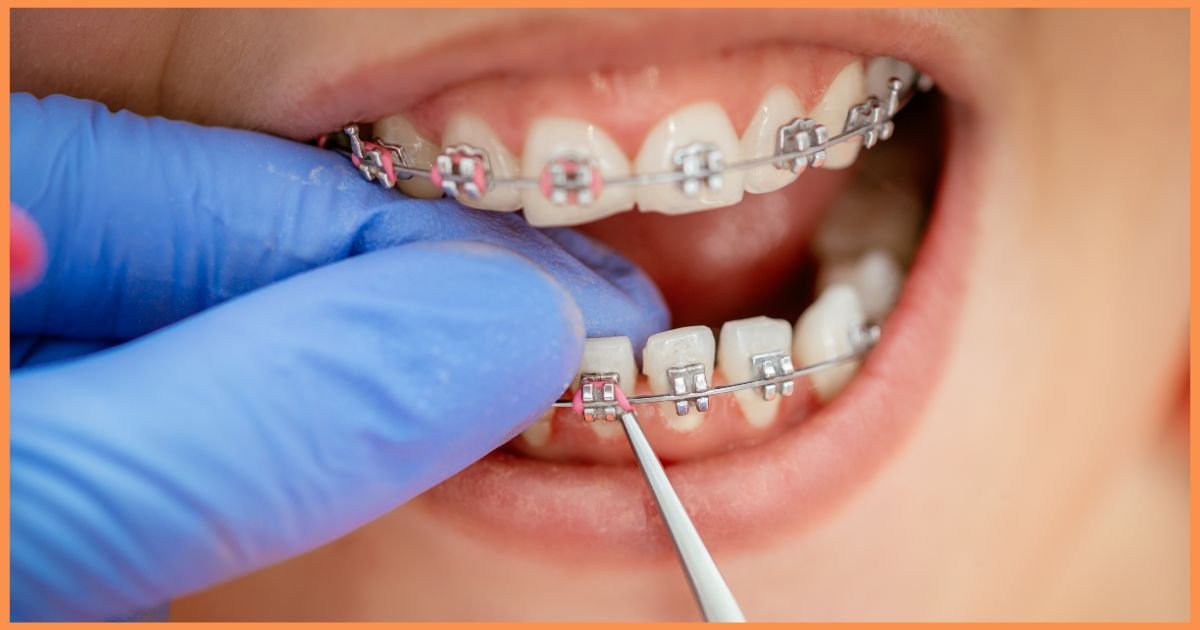
Many dental problems do not appear suddenly. Tooth decay, gum disease, bad breath, tooth sensitivity, and other oral health concerns can often develop gradually. Regular dental care can help identify these issues early and provide appropriate preventive guidance.
A dental clinic plays an important role in prevention-not just in treating problems after they become painful. Regular examinations, professional cleaning, oral hygiene advice, early diagnosis, and personalized treatment planning can all contribute to better long-term oral health.
If you are searching for a Dental Clinic in Gurgaon, choosing a clinic that focuses on preventive as well as restorative care can help you maintain healthier teeth and gums.
At Dr Khullar Dental Clinic, dental care is centered around understanding each patient’s oral health needs and recommending appropriate care based on their individual condition.
Why Is Preventive Dental Care Important?
Preventive dental care aims to reduce the risk of oral health problems and identify existing concerns before they become more complicated.
A person may have early tooth decay or gum inflammation without experiencing noticeable pain. Waiting until symptoms become severe can sometimes result in more extensive treatment.
Regular dental visits allow your dentist to assess your oral health and identify changes that may require attention.
Preventive dental care may include:
- Routine dental examinations
- Professional teeth cleaning
- Assessment of gums
- Checking for cavities
- Oral hygiene guidance
- Fluoride recommendations when appropriate
- Evaluation of existing dental restorations
- Early detection of dental problems
- Personalized advice about diet and oral habits
How Can a Dental Clinic Help Prevent Common Dental Problems?
A dental clinic can support your oral health in several ways.
1. Regular Dental Check-Ups
Routine dental examinations are one of the most important parts of preventive dentistry.
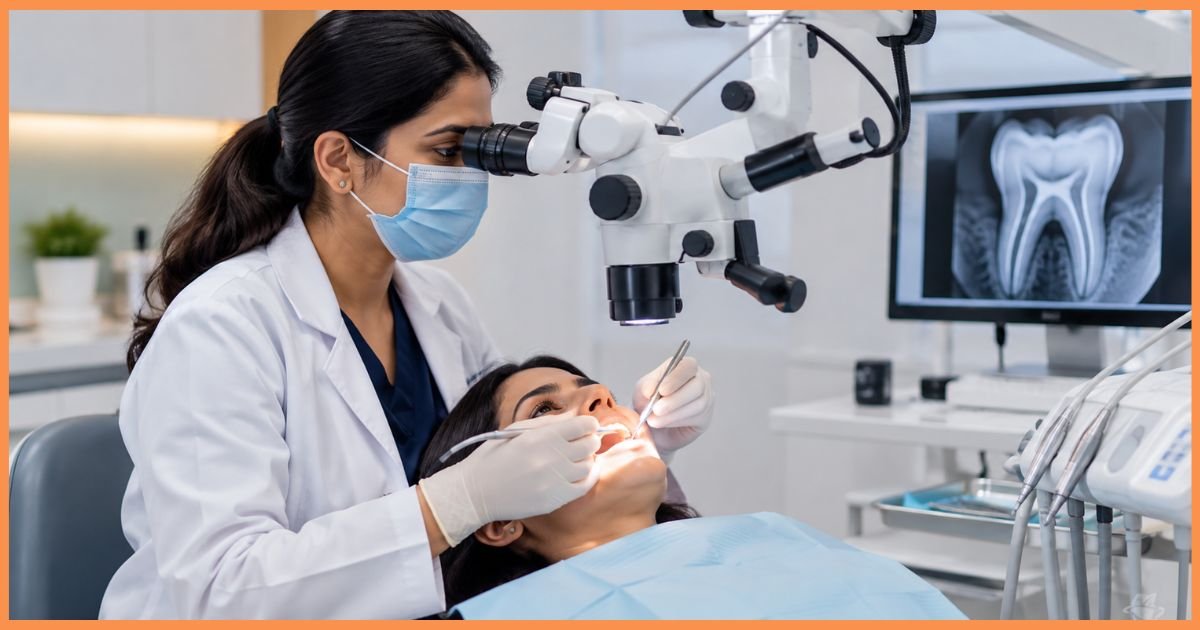
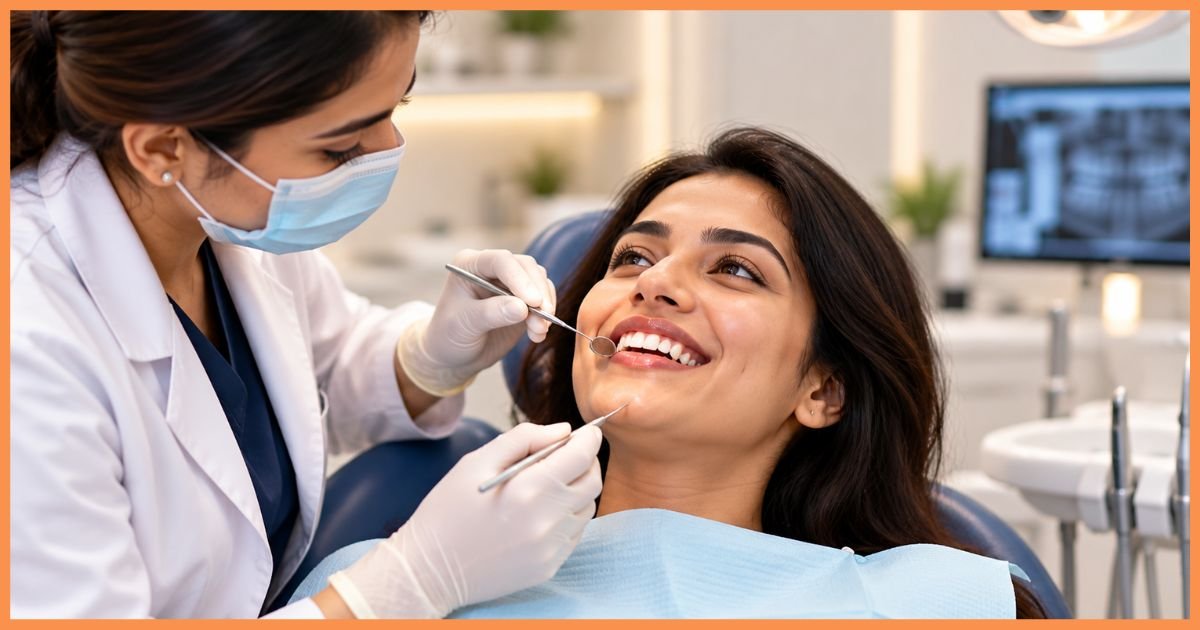
During a check-up, your dentist may examine your teeth, gums, bite, existing fillings or crowns, and other areas of your mouth.
Depending on your symptoms and risk factors, dental X-rays or other diagnostic tools may be recommended.
Regular check-ups can help identify problems such as:
- Tooth decay
- Gum disease
- Cracked or damaged teeth
- Worn dental restorations
- Bite-related concerns
- Other changes requiring professional evaluation
Early detection can make it possible to address certain problems before they become more extensive.
2. Professional Teeth Cleaning
Even with regular brushing and flossing, plaque can accumulate in areas that are difficult to clean.
When plaque hardens into tartar, it cannot be removed effectively with a normal toothbrush.
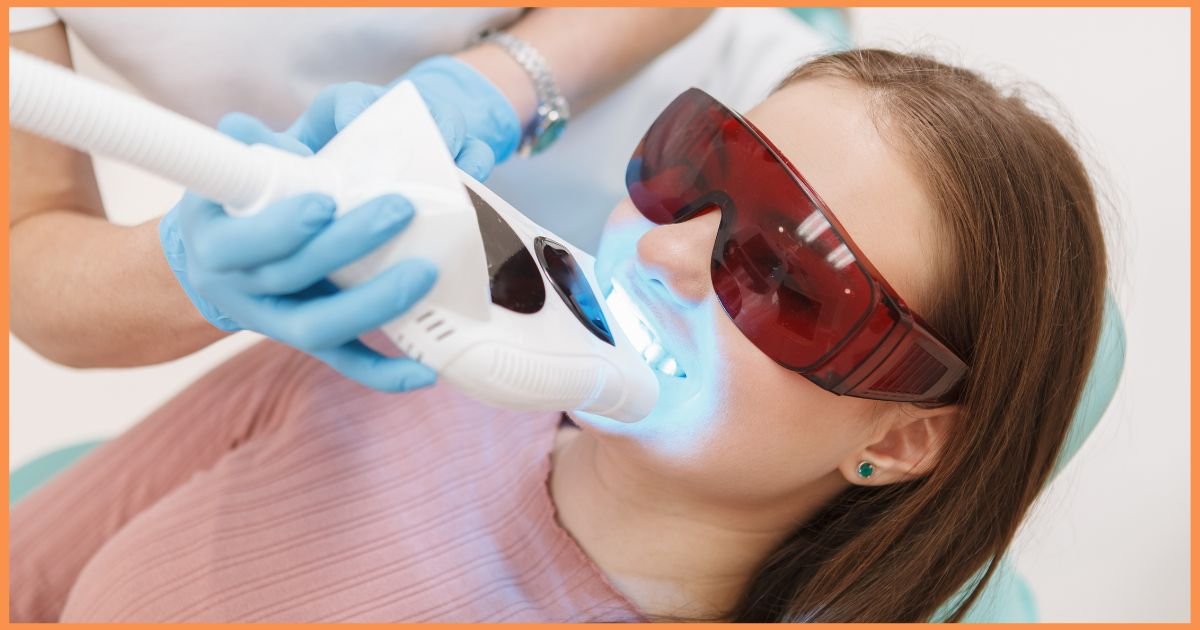
Professional dental cleaning helps remove accumulated plaque and tartar and can support healthy gums.
Your dentist or dental hygienist can also advise you about better brushing and cleaning techniques based on your individual needs.
3. Early Detection of Tooth Decay
Tooth decay can begin without causing significant pain.
During a dental examination, your dentist can look for early signs of decay and determine whether further assessment or treatment is necessary.
Addressing decay early may help prevent it from progressing deeper into the tooth, where more complex treatment may be required.
4. Gum Disease Prevention
Healthy gums are an essential part of good oral health.
Early gum disease may cause symptoms such as:
- Bleeding while brushing
- Red or swollen gums
- Tenderness
- Persistent bad breath
- Gum recession
Some people may not notice these symptoms initially.
Regular dental examinations allow your dentist to assess gum health and recommend appropriate cleaning and home-care measures.
If gum disease is already present, your dentist can discuss suitable treatment rather than allowing the condition to progress.
5. Personalized Oral Hygiene Advice
There is no single oral hygiene routine that works exactly the same way for everyone.
Your dental needs may depend on factors such as:
- Age
- Tooth alignment
- Existing dental restorations
- Gum health
- Dental history
- Braces or other orthodontic appliances
- Risk of tooth decay
A dental professional can recommend appropriate brushing, flossing, and interdental cleaning techniques based on your mouth.
6. Dietary Guidance
What you eat and how frequently you consume sugary foods and drinks can affect your risk of tooth decay.
A dentist can provide practical guidance about reducing frequent exposure to sugars and maintaining habits that support oral health.
This does not mean that you need to eliminate every food you enjoy. The goal is to understand how eating and drinking habits can affect your teeth and make sensible choices.
7. Fluoride Guidance
Fluoride can help strengthen tooth enamel and reduce the risk of tooth decay.
Most people can obtain fluoride through appropriate toothpaste and, depending on their local water supply and individual needs, other sources.
Your dentist can advise whether additional fluoride treatment is appropriate based on your individual risk of decay.
8. Identifying Harmful Dental Habits
Some everyday habits can contribute to dental damage.
Examples include:
- Nail biting
- Chewing hard objects
- Using teeth to open packages
- Frequent consumption of acidic drinks
- Grinding or clenching teeth
- Poor brushing technique
A dentist can help identify habits that may be affecting your teeth and suggest safer alternatives or appropriate treatment where necessary.
9. Protecting Teeth During Sports
Dental injuries can happen during contact sports and other physical activities.
Depending on the sport and level of risk, wearing an appropriately fitted mouthguard can help protect the teeth and surrounding structures.
Your dentist can advise you about suitable dental protection based on your activities.
10. Monitoring Existing Dental Work
Fillings, crowns, bridges, and other restorations require ongoing care.
During regular examinations, your dentist can check existing dental work for signs of wear, damage, or other concerns.
Identifying a problem early may help prevent additional damage to the tooth or restoration.
Common Dental Problems That Preventive Care Can Help Address
Preventive dental care can play an important role in reducing the risk or severity of several common oral health problems.
Tooth Decay
Tooth decay develops when acids produced by bacteria damage the tooth structure.
Good oral hygiene, appropriate fluoride use, dietary awareness, and regular dental examinations can help reduce the risk.
Gum Disease
Gum disease can range from early gum inflammation to more advanced disease affecting the tissues supporting the teeth.
Regular dental care and good oral hygiene are important for maintaining healthy gums.
Bad Breath
Persistent bad breath can sometimes be related to plaque, gum disease, dental decay, dry mouth, or other oral conditions.
If bad breath continues despite good oral hygiene, a dental examination can help identify a possible dental cause.
Tooth Sensitivity
Sensitivity to hot, cold, sweet, or acidic foods can have several causes, including enamel wear, gum recession, decay, or other dental conditions.
Instead of simply using sensitivity toothpaste indefinitely, persistent symptoms should be evaluated by a dental professional.
Cracked or Damaged Teeth
Teeth can become damaged because of trauma, grinding, biting hard objects, or other causes.
Early assessment may help determine whether the tooth requires monitoring, restoration, or another form of treatment.
How Often Should You Visit a Dental Clinic?
There is no universal appointment schedule that applies to every person.
Some people may benefit from routine check-ups at regular intervals, while patients with certain oral health conditions or higher risk factors may require more frequent monitoring.
Your dentist can recommend an appropriate schedule based on:
- Oral health
- History of cavities
- Gum health
- Age
- Existing dental treatments
- Oral hygiene
- Risk factors
- Previous dental problems
The important point is not to wait for severe pain before seeking dental care.
What Should You Do Between Dental Visits?
Your daily habits have a major influence on your oral health.
Brush Twice a Day
Use a fluoride toothpaste and brush gently but thoroughly.
Clean Between Your Teeth
Floss or use an interdental cleaning method recommended by your dentist.
Limit Frequent Sugary Snacks and Drinks
Frequent sugar exposure can increase the risk of tooth decay.
Drink Water
Water can help rinse the mouth and is a better everyday beverage choice than frequently consuming sugary drinks.
Do Not Ignore Dental Symptoms
Seek professional advice if you notice persistent pain, swelling, bleeding gums, sensitivity, loose teeth, or other changes.
When Should You Visit a Dental Clinic Immediately?
Some dental symptoms should not be ignored.
Seek prompt dental attention if you experience:
- Severe toothache
- Facial or jaw swelling
- Significant gum swelling
- A broken or knocked-out tooth
- Persistent bleeding
- Severe pain after dental treatment
- Difficulty opening your mouth
- Signs of a dental infection
If facial swelling is associated with difficulty breathing or swallowing, seek urgent medical attention.
Choosing a Dental Clinic for Preventive Care
When selecting a dental clinic, consider more than convenience.
Look for a dental team that:
- Has appropriately qualified dental professionals
- Provides comprehensive dental examinations
- Explains treatment clearly
- Follows appropriate hygiene and safety practices
- Uses suitable diagnostic tools
- Provides preventive advice
- Discusses treatment alternatives where appropriate
- Encourages regular follow-up
- Makes patients comfortable asking questions
A good dental clinic should help you understand your oral health rather than simply treating individual problems as they appear.
Dental Clinic in Gurgaon
If you are looking for a Dental Clinic in Gurgaon, preventive care should be an important part of your decision.
At Dr Khullar Dental Clinic, patients can receive dental evaluations designed to identify oral health concerns and understand appropriate treatment or preventive options.
Whether you need a routine check-up, professional cleaning, treatment for tooth pain, or advice about maintaining healthy teeth and gums, an individual assessment can help determine the right approach.
Best Dental Clinic in DLF Phase 3
Patients searching for the Best Dental Clinic in DLF Phase 3 should consider factors such as professional qualifications, clinical experience, range of services, hygiene standards, communication, patient care, and accessibility.
Rather than choosing a dental clinic based only on advertising or online ratings, consider whether the clinic provides appropriate diagnosis and treatment recommendations tailored to your needs.
Dr Khullar Dental Clinic focuses on patient-specific dental care and can help you understand the condition of your teeth and gums and the preventive steps that may be appropriate.
Dental Clinic in Sector 54 Gurgaon
If you are searching for a Dental Clinic in Sector 54 Gurgaon, regular preventive dental care can make it easier to monitor your oral health.
A dental consultation can help identify concerns such as tooth decay, gum problems, sensitivity, damaged restorations, and other dental conditions.
Dr Khullar Dental Clinic can assess your individual dental needs and discuss suitable preventive and treatment options.
What Happens During a Preventive Dental Visit?
Knowing what to expect can make regular dental visits easier.
A preventive appointment may include:
Dental History Review
Your dentist may ask about current symptoms, previous dental treatment, medications, and relevant health information.
Oral Examination
Your teeth, gums, bite, and existing restorations may be assessed.
Professional Cleaning
If appropriate, plaque and tartar may be professionally removed.
Diagnostic Tests
X-rays or other diagnostic procedures may be recommended when clinically necessary.
Personalized Advice
Your dentist can provide guidance about brushing, interdental cleaning, diet, and other oral health habits.
Follow-Up Plan
Depending on your findings, your dentist may recommend another routine appointment or treatment for a specific problem.
Frequently Asked Questions
How can a dental clinic prevent dental problems?
A dental clinic can help prevent dental problems through routine examinations, professional cleaning, early detection, oral hygiene guidance, fluoride advice, dietary counseling, and monitoring of existing dental conditions.
How often should I visit a dental clinic?
The ideal frequency varies between individuals. Your dentist can recommend a schedule based on your oral health, dental history, risk factors, and treatment needs.
Can regular dental visits prevent cavities?
Regular dental visits can help identify early decay and provide preventive advice, but they cannot guarantee that cavities will never develop. Daily oral hygiene, fluoride exposure, dietary habits, and individual risk factors also matter.
Can a dentist prevent gum disease?
Good oral hygiene and regular professional care can help reduce the risk of gum disease and identify it early. If gum disease is already present, your dentist can recommend appropriate treatment.
Is professional teeth cleaning necessary if I brush every day?
Daily brushing and interdental cleaning are essential, but tartar can develop in areas that are difficult to clean at home. Professional cleaning may be recommended depending on your individual oral health.
Should I visit a dentist even if my teeth do not hurt?
Yes. Some dental problems can develop without obvious pain. Routine examinations can help identify certain issues before they become more advanced.
What is the most important way to prevent dental problems at home?
Maintain consistent oral hygiene by brushing twice daily with fluoride toothpaste, cleaning between your teeth, limiting frequent sugar exposure, and following the personalized advice provided by your dentist.
Can children benefit from preventive dental visits?
Yes. Early dental visits can help monitor developing teeth, establish good oral hygiene habits, identify dental problems early, and provide age-appropriate preventive guidance.
Final Thoughts
Preventive dental care is one of the simplest ways to support long-term oral health.
Regular examinations, professional cleaning, good home-care habits, a balanced approach to diet, and early attention to dental symptoms can all help reduce the risk of more complicated dental problems.
If you are looking for a Dental Clinic in Gurgaon, consider choosing a dental team that emphasizes both prevention and appropriate treatment.
At Dr Khullar Dental Clinic, a personalized dental assessment can help you understand your current oral health and the steps that may help you maintain a healthy smile.