A toothache may seem like a minor problem at first. You might experience slight discomfort while eating, sensitivity when drinking something cold, or occasional pain that disappears after a few minutes. However, when these symptoms continue or become more intense, they could indicate an infection inside your tooth.
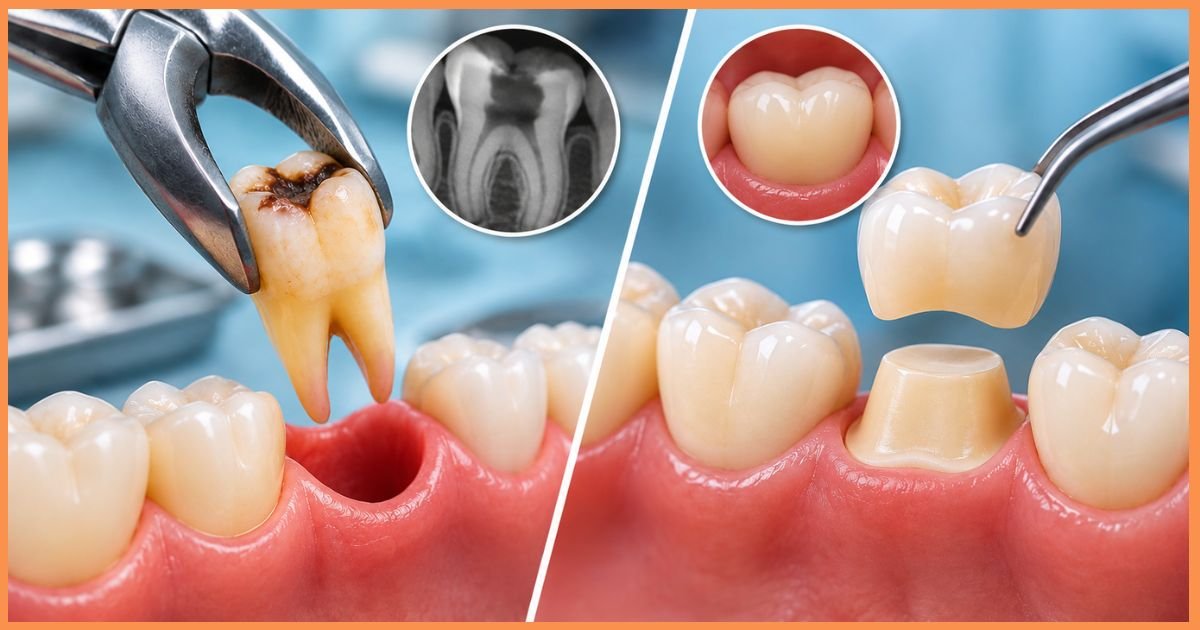
One of the most common reasons behind persistent tooth pain is damage or infection of the dental pulp, the soft tissue present inside the tooth. If the infection reaches this area, simply taking painkillers may not solve the underlying problem. In such situations, a dentist may recommend root canal treatment to remove the infected tissue and preserve the natural tooth.
But how do you know whether your toothache is a sign of an infection or something less serious?
Understanding the warning signs can help you seek dental attention at the right time. At Dr Khullar Dental Clinic, patients are encouraged to recognise changes in their oral health and consult a dental professional rather than ignoring persistent symptoms.
Let’s explore five important signs that may indicate you need a root canal.
What Is a Root Canal Infection?
Before discussing the warning signs, it is important to understand what happens inside an infected tooth.
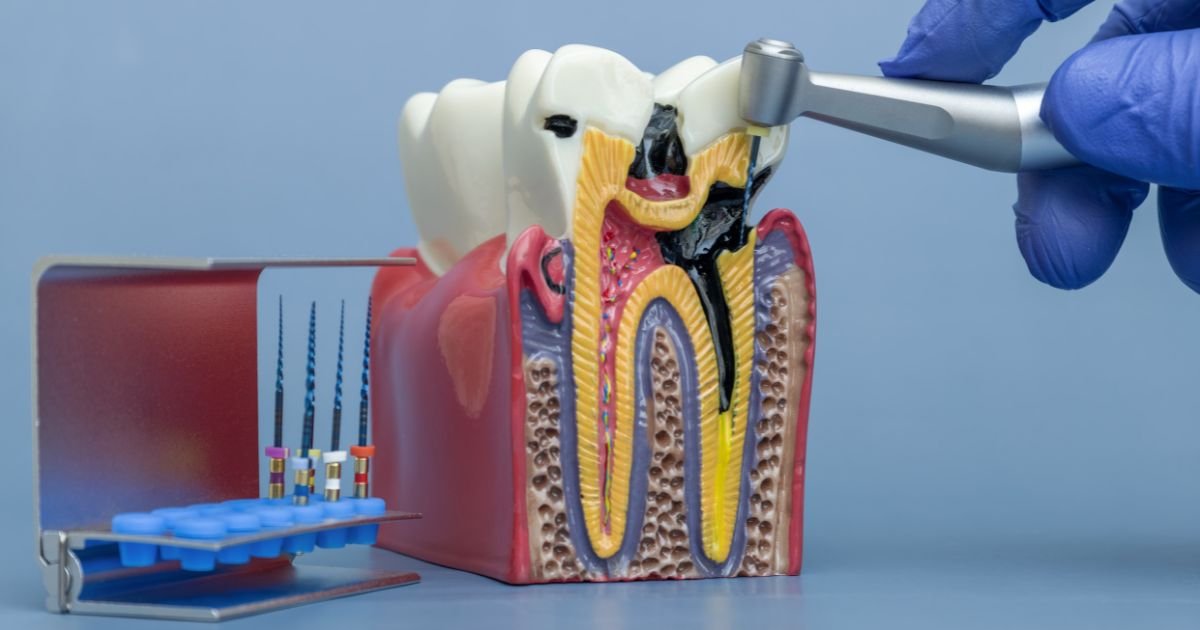
Every tooth contains a soft inner tissue called dental pulp. It consists of nerves, blood vessels and connective tissue that help support tooth development and health.
When bacteria enter the pulp through deep tooth decay, cracks, dental injuries or repeated dental procedures, the tissue can become inflamed or infected.
If the infection is not treated, it may spread towards the root tip and surrounding tissues, sometimes resulting in a dental abscess.
A Root Canal Treatment in Gurgaon may be recommended when the dental pulp is irreversibly damaged or infected but the natural tooth can still be preserved.
During this procedure, the dentist removes the infected pulp, cleans and disinfects the root canals, and seals the space to help prevent reinfection.
The primary objective is to eliminate the infection while retaining the natural tooth whenever clinically possible.
5 Signs You May Need a Root Canal
Not every toothache requires root canal treatment. However, certain symptoms should not be ignored, particularly when they persist or become progressively worse.
Here are five common warning signs to watch for.
1. Persistent or Severe Toothache
One of the most noticeable signs of a possible tooth infection is persistent tooth pain.
You may experience:
- A continuous dull ache in one particular tooth.
- Sharp or throbbing pain that occurs without an obvious reason.
- Pain that becomes worse when lying down.
- Discomfort that interferes with sleeping or daily activities.
- Pain that continues even after eating or drinking.
This type of discomfort may occur when the dental pulp becomes inflamed or infected.
Sometimes, the pain may temporarily disappear. However, this does not necessarily mean the infection has healed. In certain cases, the nerves inside the tooth may lose their ability to respond as the infection progresses.
If you experience recurring or severe tooth pain, schedule a dental examination instead of relying only on painkillers.
2. Prolonged Sensitivity to Hot and Cold Foods
Do you experience a sudden painful sensation when drinking cold water or enjoying a hot cup of tea?
Occasional sensitivity can happen due to exposed dentine, enamel erosion or gum recession. However, sensitivity that continues even after removing the hot or cold stimulus may indicate a problem with the dental pulp.
For example, you might notice:
- Pain after drinking cold water that takes time to disappear.
- Discomfort when eating hot food.
- A sharp sensation that occurs repeatedly in the same tooth.
- Sensitivity that becomes more intense over time.
Prolonged temperature sensitivity can be associated with significant inflammation of the pulp.
A dentist will examine the affected tooth and may perform temperature or other pulp tests to understand the condition.
If the pulp is irreversibly damaged, root canal treatment may be considered.
3. Swelling or a Small Pimple on the Gums
Swelling around a tooth is another important warning sign of a possible dental infection.
In some cases, an infection at the root of a tooth causes pus to collect in the surrounding tissues. This may lead to a dental abscess.
You might notice:
- Swelling around the affected tooth.
- A small pimple-like bump on the gums.
- Tenderness when touching the surrounding area.
- Pus or an unpleasant taste in your mouth.
- Swelling around the jaw or cheek.
A gum boil or pimple may sometimes drain pus, temporarily reducing discomfort. However, drainage does not mean the infection has disappeared.
A dental abscess requires prompt professional treatment. Depending on the examination findings, the dentist may recommend root canal treatment, drainage or extraction if the tooth cannot be saved.
Do not attempt to squeeze or puncture the swollen area yourself.
4. Pain While Chewing or Biting
Have you noticed discomfort when biting into an apple, chewing roti or eating something slightly hard?
Pain while chewing may indicate damage to the tooth structure or inflammation around the tooth root.
Some possible reasons include:
- Deep tooth decay reaching the pulp.
- A cracked or damaged tooth.
- Infection around the root tip.
- Inflammation of the tissues supporting the tooth.
You may also feel that one particular tooth hurts whenever pressure is applied.
This symptom should be evaluated because untreated dental infections can affect the surrounding tissues.
During an examination, the dentist may check your bite, inspect the tooth for cracks and recommend dental X-rays when required.
If the dental pulp is infected and the tooth is restorable, root canal treatment may help address the underlying problem.
5. Tooth Discolouration or Darkening
Have you noticed that one tooth has gradually become darker than the surrounding teeth?
A tooth that turns grey, brown or unusually dark may sometimes indicate damage to the internal pulp.
This can happen after:
- A dental injury or accident.
- Previous trauma to the tooth.
- Deep tooth decay.
- Significant damage to the dental pulp.
When the pulp becomes damaged or loses its vitality, changes in the internal tooth structure can contribute to discolouration.
However, not every discoloured tooth needs a root canal. External stains, ageing, certain medications and other dental conditions can also affect tooth colour.
A proper dental assessment is necessary to identify the cause and determine the appropriate treatment.
What Causes a Tooth to Become Infected?
Tooth infections generally develop when bacteria reach the inner pulp through damaged or weakened tooth structures.
Some common causes include:
- Untreated Tooth Decay: Deep cavities allow bacteria to move closer to the dental pulp. If the decay progresses, it can cause inflammation and infection.
- Cracked or Broken Teeth: A crack or fracture may create an entry point for bacteria, particularly when it extends towards the inner layers of the tooth.
- Dental Injuries: An accident, sports injury or sudden impact can damage the pulp, even when the tooth looks normal from the outside.
- Repeated Dental Procedures: A tooth that has undergone multiple restorations or dental procedures may develop pulp-related complications.
- Advanced Dental Infection: When bacteria spread beyond the pulp towards the root tip, an abscess may develop.
Identifying these causes early can help reduce the risk of further complications.
When Should You Consider Root Canal Treatment?
Not every infected or painful tooth requires a root canal. The treatment depends on the extent of pulp damage, the condition of the tooth and whether it can be restored.
A dentist may recommend root canal treatment when:
- The dental pulp is irreversibly inflamed.
- Bacterial infection has reached the inner pulp.
- There is an infection around the root of a tooth.
- A dental injury has caused irreversible pulp damage.
- The natural tooth can be preserved through endodontic treatment.
For patients experiencing these symptoms, consulting a dentist for Root Canal Treatment in Gurgaon can help establish the cause of the discomfort and identify suitable treatment options.
The decision should always be based on a clinical examination and appropriate diagnostic findings rather than symptoms alone.
What Happens During Root Canal Treatment?
Many people feel anxious when they hear the words root canal. However, modern endodontic techniques and local anaesthesia help make the procedure manageable for most patients.
Here is a general overview of the treatment process.
Step 1: Dental Examination and Diagnosis
The dentist examines the affected tooth, checks your symptoms and may recommend an X-ray to assess the root structure and surrounding bone.
Pulp vitality tests and other clinical examinations may also be performed.
Step 2: Local Anaesthesia
Local anaesthesia is administered to numb the affected area and help minimise discomfort during the procedure.
Step 3: Removal of Infected Pulp
A small opening is made in the tooth to access the pulp chamber. The damaged or infected pulp tissue is carefully removed.
Step 4: Cleaning and Disinfection
The root canals are cleaned, shaped and disinfected to remove infected tissue and reduce bacterial contamination.
Step 5: Filling and Sealing
After cleaning, the canals are filled with a suitable dental material, commonly gutta-percha, and sealed to help prevent reinfection.
Step 6: Final Restoration
Depending on the amount of remaining tooth structure, a permanent filling or dental crown may be recommended to restore strength and function.
The number of appointments depends on the complexity of the case and the clinical condition of the tooth.
Is Root Canal Treatment Painful?
This is one of the most common questions patients ask before undergoing the procedure.
The good news is that root canal treatment is generally performed under local anaesthesia, which helps prevent pain during the procedure.
You may experience some soreness or tenderness after treatment, particularly when biting or chewing. This discomfort is usually temporary and can be managed with appropriate care and medication recommended by your dentist.
Modern dental instruments, diagnostic techniques and treatment methods have made root canal procedures more predictable and comfortable for many patients.
If you are worried about pain, discuss your concerns with your dentist before starting treatment.
What Happens If You Ignore an Infected Tooth?
Ignoring a tooth infection can allow the condition to progress.
Some possible complications include:
- Increasing pain: The infection may cause persistent or worsening discomfort.
- Dental abscess: Pus may collect around the root or surrounding gum tissues.
- Bone involvement: An untreated infection may affect the bone surrounding the tooth.
- Spread of infection: In uncommon but serious cases, the infection can spread into nearby facial or neck spaces.
- Tooth loss: If the tooth becomes severely damaged and cannot be restored, extraction may become necessary.
A dental infection will not reliably resolve on its own. Early professional assessment is important.
Important: Facial or neck swelling accompanied by difficulty breathing, swallowing or speaking requires immediate emergency medical attention. Do not wait for a routine dental appointment.
How Can You Prevent Tooth Infections?
Although not every dental infection can be prevented, maintaining good oral hygiene can significantly reduce the risk of tooth decay and related problems.
Follow these simple habits:
- Brush your teeth twice daily using fluoride toothpaste.
- Floss or use interdental cleaning aids every day.
- Limit frequent consumption of sugary foods and drinks.
- Avoid chewing hard objects that may damage your teeth.
- Visit your dentist regularly for oral examinations.
- Seek treatment for cavities, damaged fillings and cracked teeth.
- Wear an appropriate mouthguard during contact sports.
Remember, early treatment of tooth decay is generally simpler than managing an infection that has reached the dental pulp.
Why Choose Dr Khullar Dental Clinic for Dental Consultation?
When dealing with persistent tooth pain, choosing an appropriate dental professional is an important part of protecting your oral health.
At Dr Khullar Dental Clinic, patients can seek dental consultation for tooth pain, cavities, dental infections and other oral health concerns.
A proper dental assessment helps identify the underlying cause of symptoms and determine whether root canal treatment or another dental procedure is appropriate.
The focus of dental care should always be on accurate diagnosis, explaining available treatment options and helping patients make informed decisions about their oral health.
If you are experiencing prolonged tooth sensitivity, swelling or discomfort while chewing, do not delay getting your tooth examined.
Frequently Asked Questions About Root Canal Treatment
1. How do I know if my tooth infection needs a root canal?
Persistent toothache, prolonged sensitivity to hot and cold, gum swelling, pain while chewing and tooth discolouration may indicate pulp damage or infection. However, a dentist must examine the tooth and perform appropriate diagnostic tests to determine whether root canal treatment is necessary.
2. Can a tooth infection go away without a root canal?
An infection involving the dental pulp generally requires professional dental treatment. Depending on the condition, treatment may involve root canal therapy, drainage or extraction. Pain disappearing does not necessarily mean the infection has resolved.
3. Can antibiotics cure a tooth infection permanently?
Antibiotics alone generally cannot eliminate the source of an infection inside an infected tooth. Definitive dental treatment is usually necessary. Antibiotics may be prescribed in selected cases, particularly when there are signs of spreading infection or systemic involvement.
4. How many days does root canal treatment take?
Root canal treatment may be completed in one or multiple appointments. The duration depends on the tooth, the complexity of its root canals and the severity of the infection.
5. Is a dental crown necessary after root canal treatment?
A crown may be recommended, particularly for back teeth or teeth with significant structural damage. It helps protect the remaining tooth structure against fracture. The need for a crown depends on the tooth’s condition and the amount of healthy structure remaining.
6. Can I eat normally after root canal treatment?
You should avoid chewing on the treated tooth until the permanent restoration is completed, particularly if a temporary filling has been placed. Follow your dentist’s instructions and avoid hard or sticky foods during recovery.
7. When should I visit a dentist for tooth pain?
You should arrange a dental examination if tooth pain persists, returns repeatedly or interferes with eating and sleeping. Swelling, pus, fever or worsening pain warrants prompt attention. Difficulty breathing or swallowing requires emergency care.
Final Thoughts
A tooth infection can begin with something as simple as mild sensitivity or occasional discomfort. However, when the infection reaches the dental pulp, it may cause persistent pain, swelling and other complications.
Recognising these five warning signs can help you understand when it is time to seek professional dental care.
Remember, early diagnosis can make a difference in preserving your natural tooth and preventing further complications. If you notice any unusual changes in your teeth or gums, consult a qualified dentist for an appropriate examination.
At Dr Khullar Dental Clinic, understanding your dental concerns and exploring suitable treatment options is an important first step towards maintaining a healthy smile.
Medically Reviewed By: Dr. Kapil Khullar
Qualifications: BDS, MDS (Conservative Dentistry & Endodontics)
Registration No.: A-4561, Delhi State Dental Council