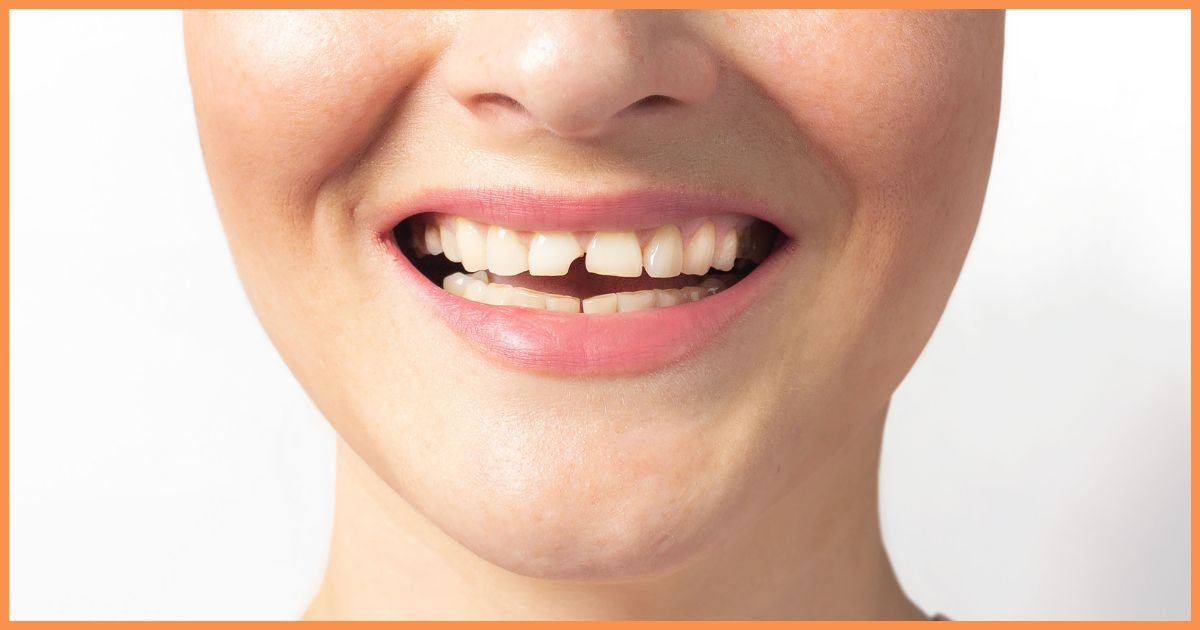
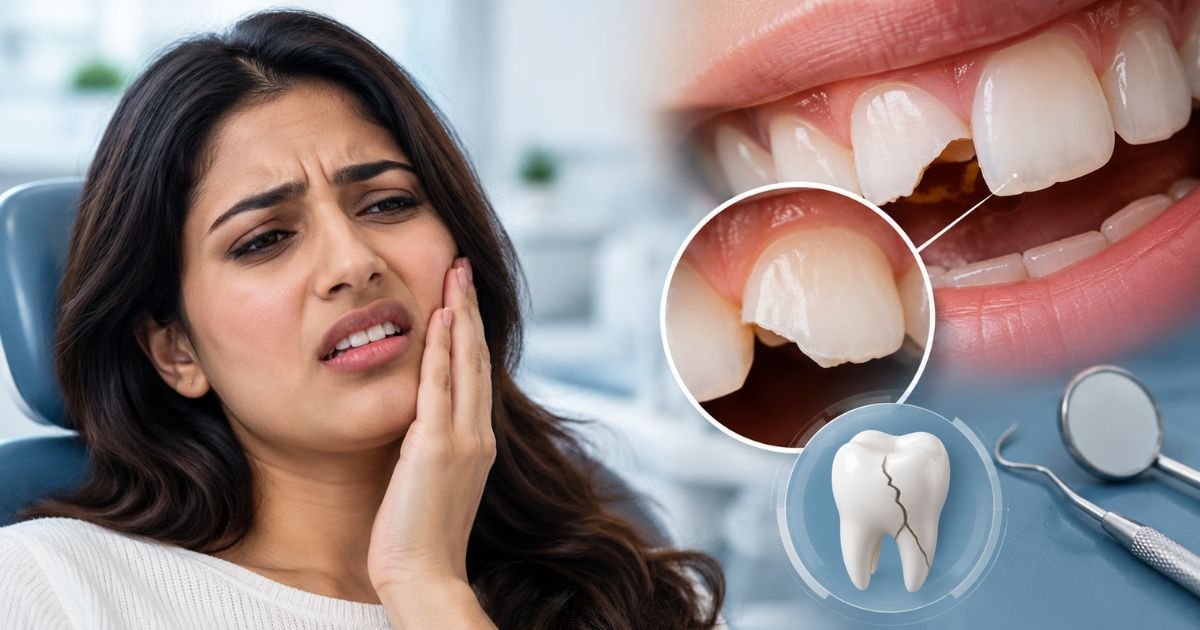
A broken tooth can happen unexpectedly while eating something hard, after an accidental injury, or because a tooth has already become weakened by decay or an old filling. Even a small chip can sometimes cause sensitivity, pain, or further damage if it is left untreated.
The best remedy for a broken tooth depends on how much of the tooth has fractured, whether the nerve is affected, and the overall health of the remaining tooth structure. While some minor chips can be repaired easily, a severely fractured tooth may require a crown, root canal treatment, or, in some cases, extraction.
If you have recently broken a tooth, getting it examined by a qualified dental professional is important rather than relying on home remedies alone. At Dr Khullar Dental Clinic, the dentist evaluates the extent of the fracture before recommending the most appropriate treatment.
What Should You Do Immediately After Breaking a Tooth?
If you have broken a tooth, taking a few simple steps can help protect it until you receive professional dental care.
1. Rinse Your Mouth Gently
Rinse your mouth with lukewarm water to remove food particles and debris. Avoid aggressive brushing around the broken area, especially if the tooth is painful.
2. Save the Broken Piece
If a piece of the tooth has completely broken off, keep it safely and take it with you to the dentist. In some situations, the fragment may be useful for determining the nature of the fracture or, occasionally, for restoration.
3. Protect Any Sharp Edge
A broken tooth can have a sharp edge that may cut your tongue or cheek. Dental wax can temporarily cover the sharp area. Avoid using household adhesives or attempting to glue the tooth back yourself.
4. Use a Cold Compress for Swelling
If the injury has caused swelling, applying a cold compress to the outside of the cheek for short intervals may help reduce discomfort and swelling.
5. Avoid Hard or Sticky Foods
Until the tooth has been examined, avoid chewing on the affected side. Hard foods, ice, nuts, and sticky foods can cause additional damage.
6. Arrange a Dental Examination
Even if the broken tooth does not hurt, it is worth getting it examined. A fracture may extend deeper into the tooth than it appears from the outside.
What Is the Best Treatment for a Broken Tooth?
There is no single treatment that works for every broken tooth. The dentist may recommend one of several options depending on the severity and location of the fracture.
Dental Bonding for a Small Chip
If only a small portion of the tooth has chipped and the underlying tooth structure is healthy, composite dental bonding may be sufficient.
During bonding, a tooth-coloured composite material is applied to the damaged area and shaped to restore the tooth’s appearance and function.
This option may be appropriate for:
- Small chips
- Minor cosmetic fractures
- Slightly damaged front teeth
- Repairing small areas of lost enamel
Bonding is generally conservative because it can preserve most of the natural tooth structure.
Dental Filling for Minor Damage
If a small part of the tooth has fractured, particularly around an existing filling or an area affected by decay, a tooth-coloured filling may sometimes be used to restore the damaged portion.
The dentist will first determine whether enough healthy tooth structure remains to support the restoration.
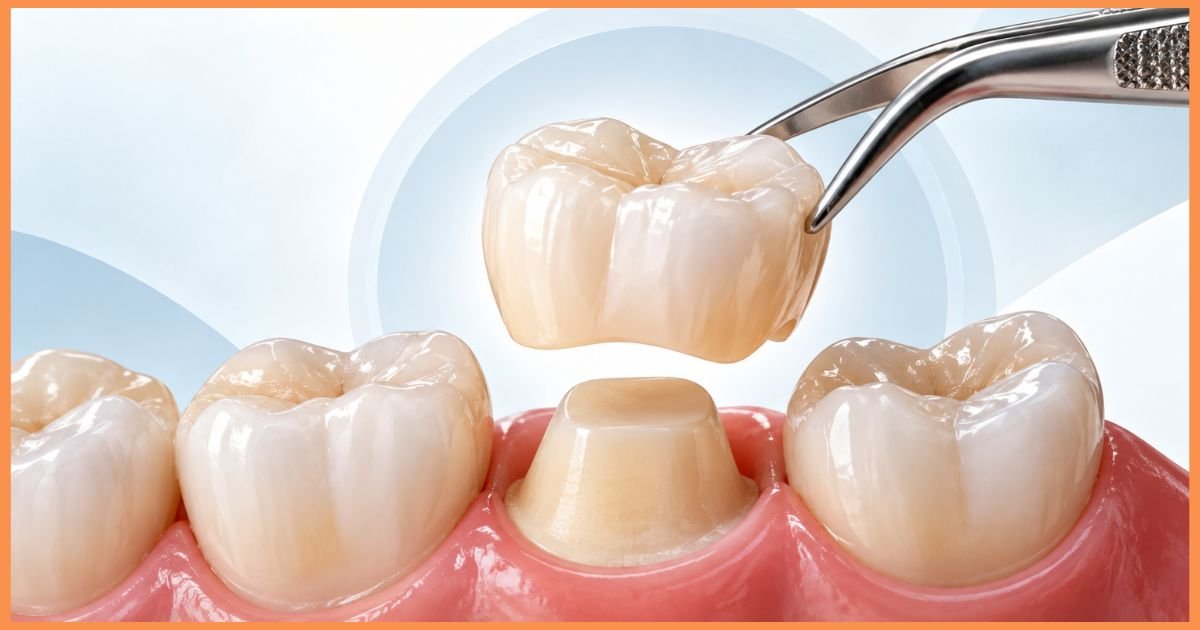
Dental Crown for a More Severely Broken Tooth
A dental crown may be recommended when a significant portion of the tooth has broken but the tooth root and remaining structure are still suitable for restoration.
A crown covers the remaining tooth and helps restore its:
- Shape
- Strength
- Function
- Appearance
Crowns are commonly considered for teeth that have lost substantial structure but can still be preserved.
What If the Broken Tooth Has Nerve Damage?
Sometimes a fracture extends into the inner part of the tooth and affects the dental pulp, which contains nerves and blood vessels.
Signs that the nerve may be involved include:
- Severe or persistent toothache
- Sensitivity to hot or cold that lingers
- Pain while biting
- Spontaneous pain
- Swelling around the tooth
- Darkening or discoloration of the tooth
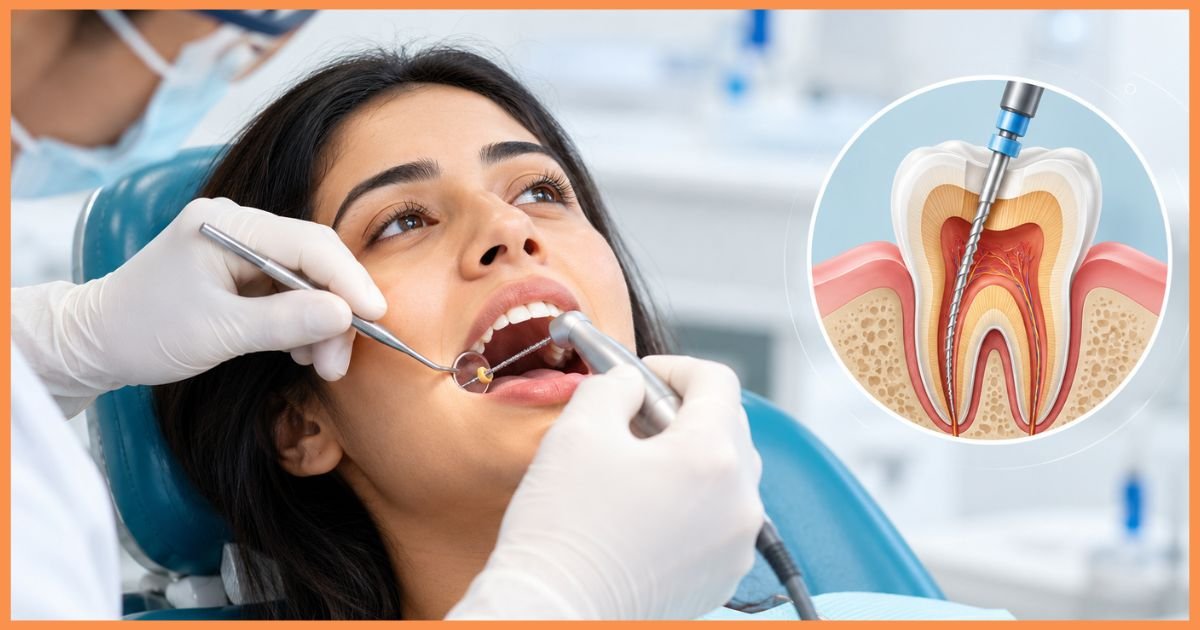
In such cases, root canal treatment may be required before restoring the tooth with a crown or another suitable restoration.
Root canal treatment removes the infected or damaged pulp, cleans and disinfects the root canals, and seals the tooth. The tooth can then be restored to help it function normally.
Can a Broken Tooth Heal on Its Own?
No. A broken tooth does not naturally grow back or repair itself in the way skin or bone can heal.
Very minor enamel damage may remain stable, but the lost tooth structure itself does not regenerate. More importantly, an untreated fracture can sometimes become larger over time.
A small crack may eventually allow bacteria to reach deeper layers of the tooth, potentially leading to decay, infection, or nerve damage.
That is why early dental evaluation is recommended even when the initial injury seems minor.
What Happens If You Ignore a Broken Tooth?
Ignoring a broken tooth can sometimes allow the problem to progress.
Depending on the type of fracture, untreated damage may result in:
- Increased tooth sensitivity
- Further cracking
- Tooth decay
- Infection
- Gum irritation
- Pain while chewing
- Damage to the dental pulp
- Tooth fracture below the gum line
- Possible tooth loss
However, not every broken tooth will deteriorate at the same rate. The risk depends on the depth and location of the fracture, the condition of the tooth, and whether the tooth has previously undergone treatment.
When Is a Broken Tooth a Dental Emergency?
A broken tooth requires prompt dental attention when it is associated with significant symptoms or trauma.
Seek urgent dental care if you experience:
- Severe or uncontrolled pain
- Facial or gum swelling
- Persistent bleeding
- A large portion of the tooth has broken off
- The tooth has become loose after an injury
- A visible crack extends toward the gum
- Significant sensitivity to temperature
- Signs of infection such as swelling or fever
- Difficulty opening your mouth or swallowing
If the injury also involves the jaw, face, or head, additional medical assessment may be necessary.
Can a Dentist Save a Completely Broken Tooth?
Sometimes, yes. The possibility of saving a severely broken tooth depends largely on where the fracture occurs.
If enough healthy tooth structure remains above the gum line and the root is healthy, the dentist may be able to restore the tooth.
However, if the fracture extends deep below the gum line or vertically through the root, saving the tooth may not be predictable. In such situations, extraction may be considered.
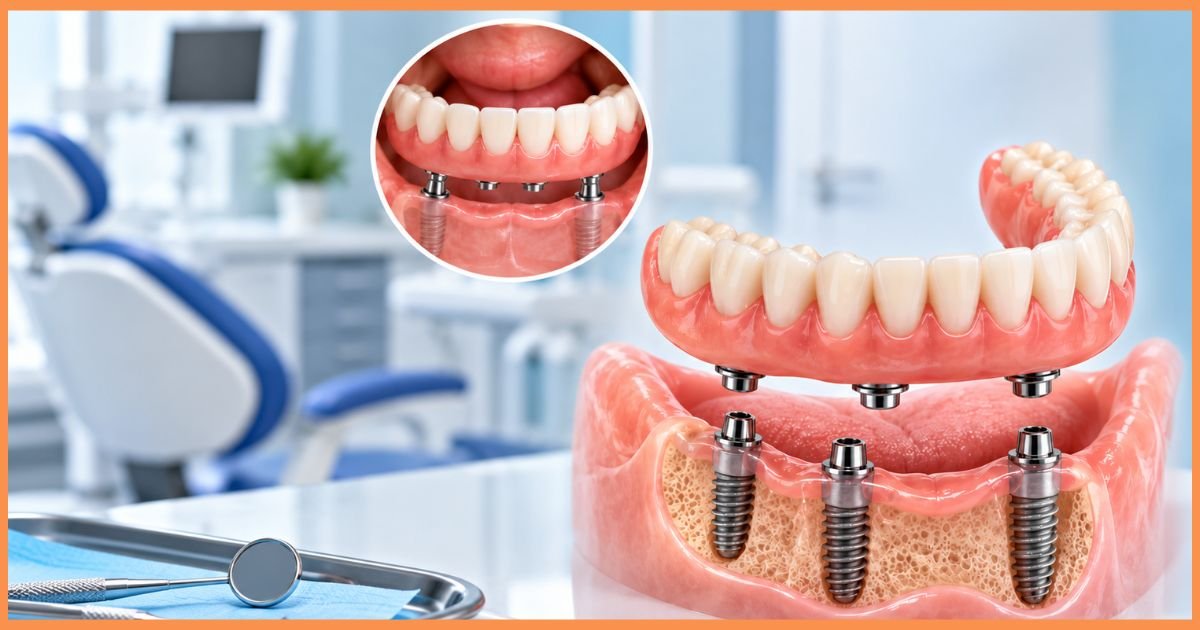
After extraction, replacement options can include a dental implant, bridge, or removable dental prosthesis, depending on the individual case.
How Does a Dentist Diagnose a Broken Tooth?
A dental examination usually begins with a detailed assessment of the affected tooth and surrounding tissues.
Depending on the situation, the dentist may evaluate:
- The location and size of the fracture
- Tooth mobility
- Bite and chewing pressure
- Sensitivity to temperature
- Pulp or nerve health
- Gum condition
- Root structure
- Previous dental restorations
Dental X-rays may also be recommended when the dentist needs to assess the root, surrounding bone, or deeper structures.
In certain cases, additional diagnostic methods may be required to determine whether the tooth can be predictably restored.
Is It Better to Repair or Remove a Broken Tooth?
Whenever clinically appropriate, preserving a natural tooth is generally preferable to removing it.
However, preservation is not always possible. A dentist considers factors such as:
- Amount of remaining healthy tooth
- Location of the fracture
- Root condition
- Presence of infection
- Gum and bone support
- Ability to restore the tooth properly
- Long-term prognosis
The goal should not simply be to repair the tooth temporarily. The treatment should provide a predictable and functional long-term solution.
How Much Does Treatment for a Broken Tooth Cost?
The cost varies considerably because a broken tooth can require anything from a simple bonding procedure to root canal treatment and a crown.
The final cost may depend on:
- Type of fracture
- Tooth involved
- Treatment required
- Type of restoration
- Whether root canal treatment is necessary
- Complexity of the case
- Materials used
A dental examination is therefore necessary before providing an accurate treatment estimate.
How Can You Prevent a Tooth From Breaking?
Although accidents cannot always be prevented, several habits can reduce the risk of tooth fractures.
Avoid Chewing Hard Objects
Do not use your teeth to open packages, bite pens, crack nuts, or chew ice.
Treat Tooth Decay Early
Decay can weaken the tooth structure and make it more vulnerable to fractures.
Protect Teeth During Sports
If you participate in contact or high-impact sports, consider using a properly fitted mouthguard.
Do Not Ignore Large Fillings or Weak Teeth
Teeth with extensive restorations may have reduced remaining tooth structure. Your dentist can assess whether additional protection, such as a crown, is appropriate.
Address Teeth Grinding
Regular clenching or grinding can place excessive forces on teeth and contribute to cracks and fractures. A dentist can assess whether a night guard or other treatment is appropriate.
Frequently Asked Questions About Broken Teeth
What is the fastest remedy for a broken tooth?
The fastest appropriate remedy depends on the severity of the fracture. A small chip may be repaired with bonding, while a larger fracture may require a crown or root canal treatment. The tooth should first be examined by a dentist.
Can I put a broken tooth back myself?
No. Do not attempt to glue or reattach a broken tooth using household adhesives. Protect the area and seek professional dental care.
Is a broken tooth always painful?
No. Some broken teeth cause significant pain, while others may have little or no discomfort. Lack of pain does not necessarily mean that the fracture is harmless.
Can a cracked tooth be fixed without a root canal?
Sometimes. If the crack has not affected the dental pulp and the tooth remains restorable, treatment may involve bonding, a filling, or a crown. If the nerve is damaged or infected, root canal treatment may be necessary.
Can a broken front tooth be repaired?
Yes. Depending on the extent of the damage, a front tooth may be repaired using composite bonding, a veneer, or a crown. The dentist will select the appropriate option based on the amount of remaining tooth structure and the condition of the tooth.
Should I go to a dentist even if my broken tooth does not hurt?
Yes. A painless fracture can still become more serious if it extends deeper into the tooth or allows bacteria to enter. Early assessment can help determine whether treatment is necessary.
When Should You See a Dentist for a Broken Tooth?
If you have broken, chipped, or cracked a tooth, do not wait for pain to appear before getting it checked. Early diagnosis can help determine whether the tooth can be restored conservatively and may reduce the risk of further damage.
If you are looking for a Dentist in Gurgaon for evaluation and treatment of a broken or damaged tooth, Dr Khullar Dental Clinic provides comprehensive dental care based on the condition of the individual tooth.
Choosing the Dentist in Gurgaon should not be based only on reviews or proximity. Look for a dental professional who evaluates the underlying cause, explains the available treatment options, discusses the expected outcome, and recommends treatment based on your individual oral health needs.
Key Takeaway
The best remedy for a broken tooth depends on the extent and location of the fracture. Minor chips may need only bonding, while larger fractures may require a filling, crown, or root canal treatment. Severely fractured teeth may sometimes need extraction and replacement.
The most important step is to have the tooth examined promptly. Avoid trying to repair it yourself, protect the affected area, and follow your dentist’s advice for definitive treatment.
Dr Khullar Dental Clinic can assess your broken tooth and help determine the most appropriate treatment for preserving your oral health and natural smile.
Medically Reviewed By: Dr. Kapil Khullar
Qualifications: BDS, MDS (Conservative Dentistry & Endodontics)
Registration No.: A-4561, Delhi State Dental Council