Losing several or all teeth can affect much more than your smile. It may make chewing difficult, change the way you speak, and reduce confidence in everyday social situations. Traditional dentures can restore appearance and basic function, but some people find that they move, feel loose, or require frequent adjustment.
Implant-supported dentures offer an alternative by combining the stability of dental implants with the convenience of removable dentures. Instead of resting only on the gums, these dentures are supported by implants placed into the jawbone, providing a more secure foundation.
At Dr Khullar Dental Clinic, patients can discuss their tooth replacement options with a dental professional and understand whether implant-supported dentures are appropriate for their oral health, bone condition, lifestyle, and long-term goals.
What Are Implant-Supported Dentures?
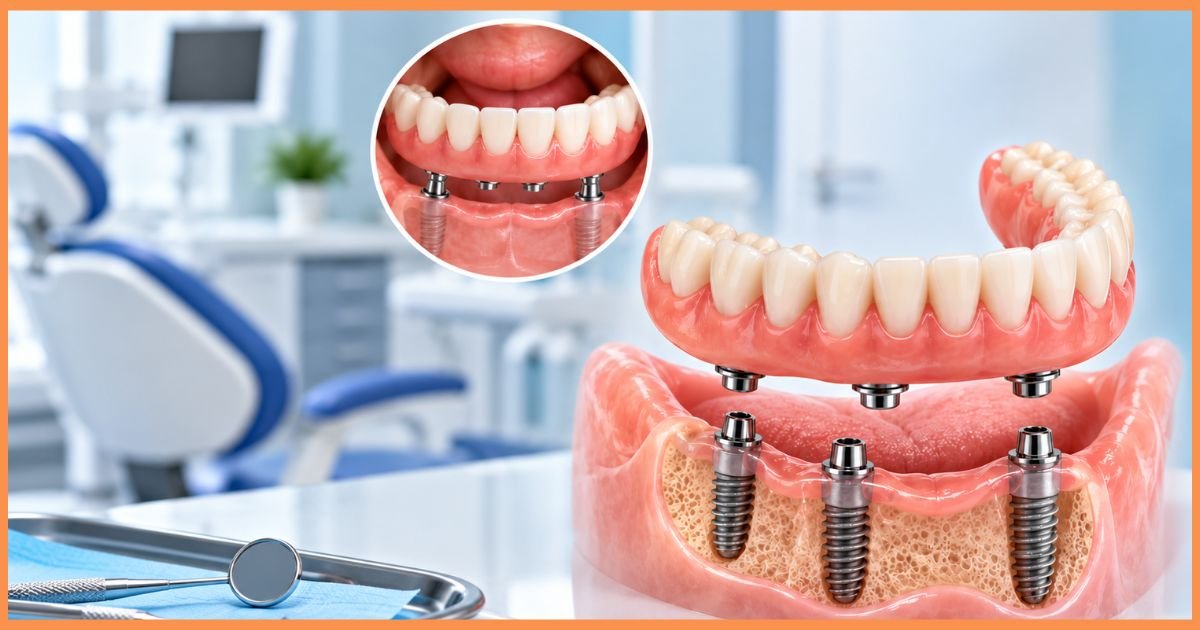
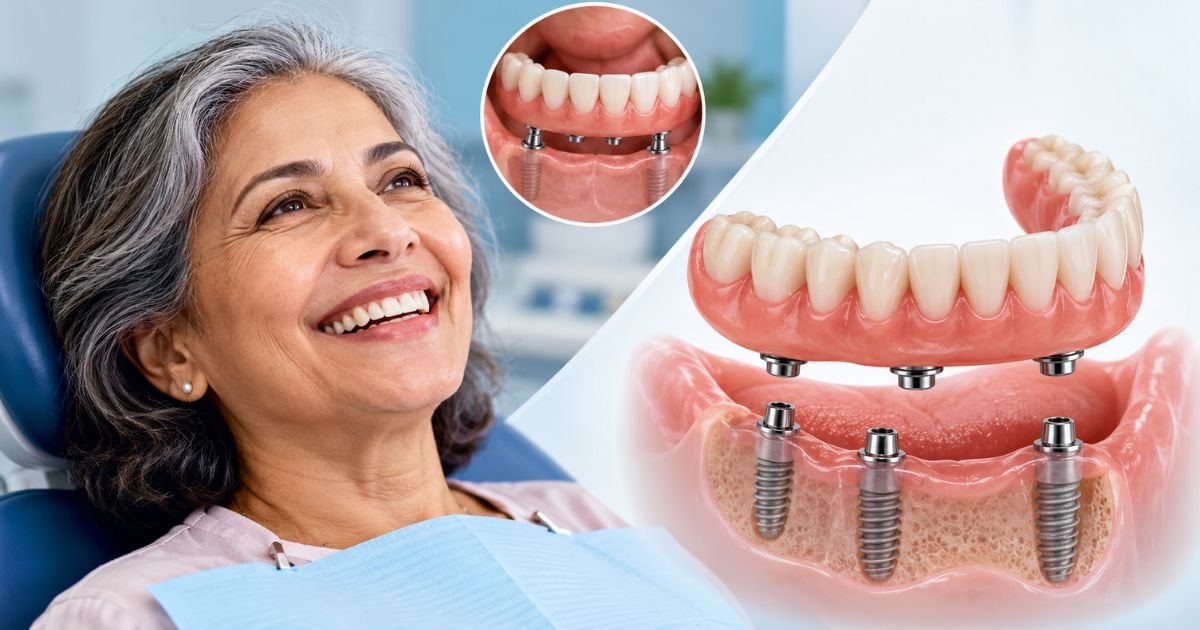
Implant-supported dentures are replacement teeth that are attached to or supported by dental implants. The implants act as artificial tooth roots and provide additional stability to the denture.
Unlike conventional dentures, which rely primarily on suction, gum support, and denture adhesives, implant-supported dentures receive support from implants anchored within the jawbone.
Depending on the treatment plan, the denture may be removable for cleaning or designed to remain fixed in place. The number and position of implants required can vary based on the patient’s anatomy and the type of restoration being planned.
How Do Implant-Supported Dentures Work?
The process generally involves several stages. Your dentist will first assess your oral health and determine whether implants are suitable for you.
1. Comprehensive Dental Evaluation
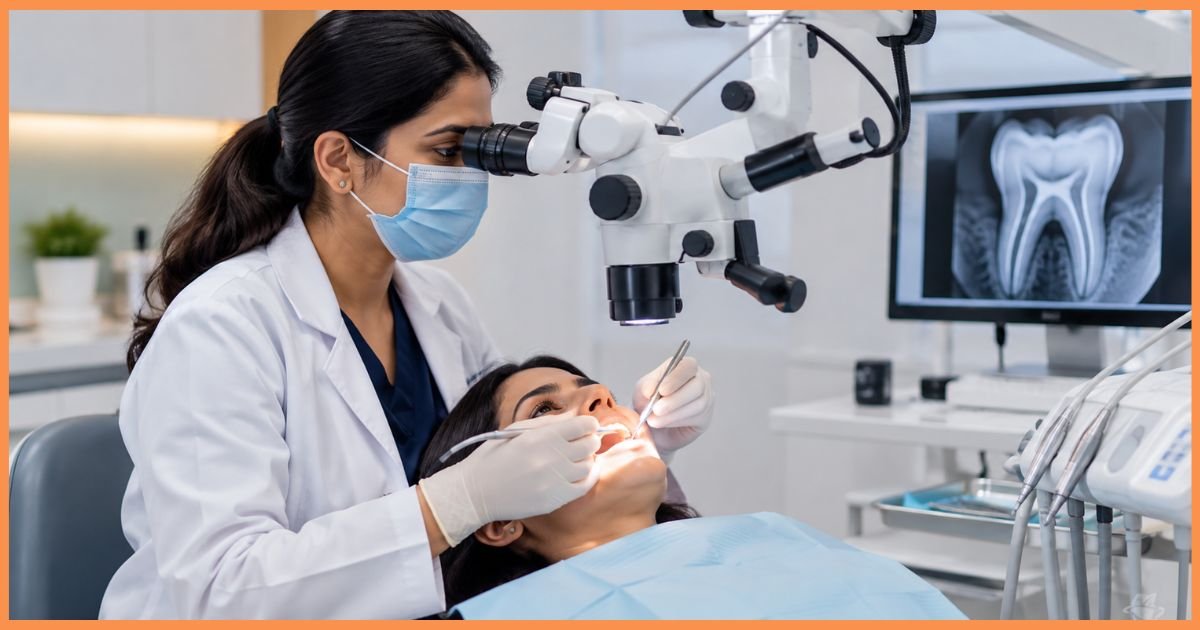
The treatment begins with a detailed examination of the teeth, gums, jawbone, bite, and overall oral health.
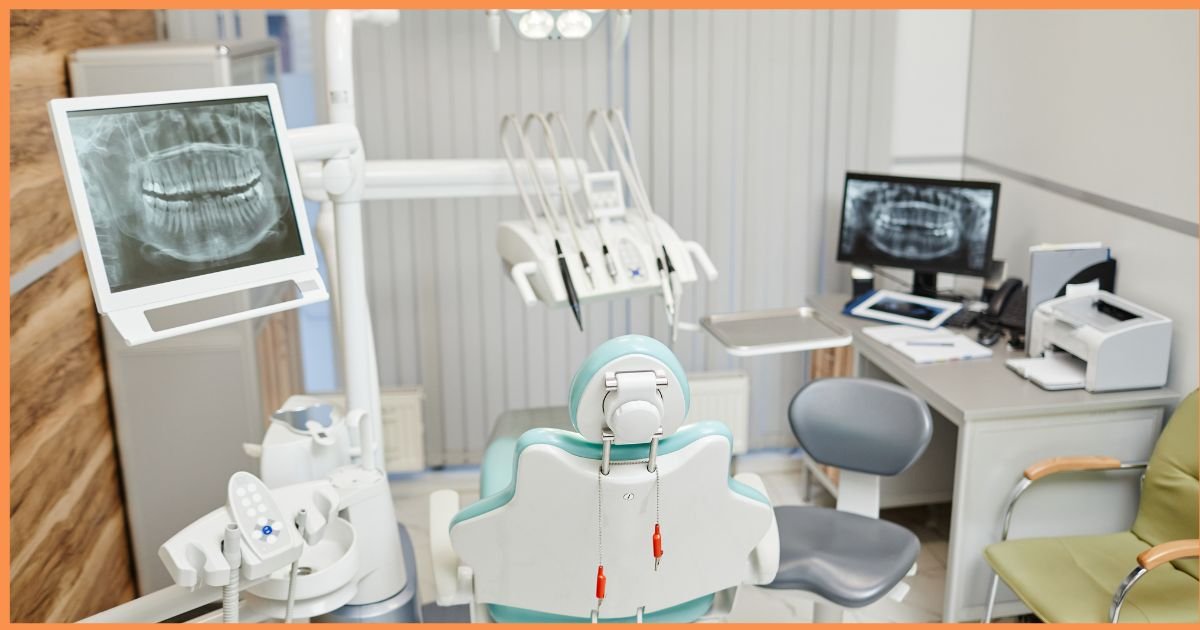
Your dentist may recommend dental X-rays or three-dimensional imaging to evaluate bone volume and identify important anatomical structures. This information helps determine the appropriate implant positions.
2. Treatment Planning
A personalized treatment plan is created based on factors such as:
- Number of missing teeth
- Jawbone condition
- Gum health
- Existing dentures
- Bite and facial structure
- Overall health
- Desired type of denture
- Long-term oral health goals
The objective is to create a restoration that provides appropriate support while maintaining natural-looking aesthetics and comfortable function.
3. Dental Implant Placement
The implants are surgically positioned into the jawbone. These implants serve as anchors for the future denture.
Over time, the implant can integrate with the surrounding bone through a process known as osseointegration. This biological connection is important for providing stability.
4. Healing and Integration
The implants generally require a period of healing before they can be used to provide full support for the final restoration.
The exact healing period differs from patient to patient and depends on factors such as bone quality, implant location, overall health, and whether additional procedures were required.
5. Denture Attachment
Once the implants have sufficiently healed, the denture is connected to the implant-supported attachment system.
Your dentist will check the fit, bite, comfort, appearance, and function before finalizing the restoration.
Who Can Benefit From Implant-Supported Dentures?
Implant-supported dentures may be particularly beneficial for people who have lost most or all of their teeth and want greater stability than conventional dentures can provide.
They may be considered by patients who:
- Have multiple missing teeth
- Have complete or near-complete tooth loss
- Experience loose or unstable traditional dentures
- Have difficulty chewing with conventional dentures
- Want improved denture retention
- Have adequate jawbone to support implants
- Are looking for a long-term tooth replacement solution
- Are willing to maintain good oral hygiene and attend regular dental appointments
However, implant-supported dentures are not automatically suitable for everyone. A professional evaluation is necessary before treatment.
What If You Have Bone Loss?
Bone loss is common after tooth loss because the jawbone no longer receives stimulation from natural tooth roots. Reduced bone volume can sometimes make implant placement more challenging.
However, having bone loss does not necessarily mean that implant-supported treatment is impossible.
Depending on the location and severity of bone loss, your dentist may discuss additional procedures or alternative treatment approaches. Advanced imaging is often useful for determining whether sufficient bone is available for safe implant placement.
Implant-Supported Dentures vs Conventional Dentures
Understanding the difference between the two options can help you have a more informed discussion with your dentist.
| Feature | Conventional Dentures | Implant-Supported Dentures |
| Main support | Gums and oral tissues | Dental implants plus oral tissues |
| Stability | Can move during chewing or speaking | Generally offers greater stability |
| Implant surgery | Not required | Required |
| Bone support | Does not anchor into bone | Implants are anchored in the jawbone |
| Removal | Usually removable | May be removable or fixed depending on design |
| Maintenance | Requires cleaning and periodic adjustment | Requires denture and implant maintenance |
| Suitability | Suitable for many patients | Requires adequate conditions for implant treatment |
The best option depends on your individual oral health rather than simply choosing the more advanced treatment.
What Are the Benefits of Implant-Supported Dentures?
Improved Stability
One of the biggest advantages is increased denture stability. Because the restoration is supported by implants, it can be less likely to shift during everyday activities such as eating and speaking.
Better Chewing Function
A more stable denture can make it easier to chew a wider range of foods compared with an unstable conventional denture.
Increased Confidence
Patients who are concerned about their dentures moving while talking, laughing, or eating may feel more confident when their replacement teeth have improved stability.
Better Support for Facial Appearance
Replacing missing teeth can help restore lost dental support and contribute to a more balanced facial appearance. Proper treatment planning is important because the position and shape of the restoration influence aesthetics.
Reduced Dependence on Denture Adhesives
Because implants provide mechanical support, some patients may have less reliance on traditional denture adhesives.
Potential Long-Term Solution
With appropriate treatment planning, professional maintenance, and good oral hygiene, implant-supported restorations can provide long-term tooth replacement. However, no dental restoration should be considered maintenance-free.
Are Implant-Supported Dentures Permanent?
The answer depends on what you mean by permanent.
The implants are designed to function as long-term anchors, while the denture or prosthetic teeth may eventually require maintenance, adjustment, repair, or replacement due to normal wear.
Good oral hygiene, regular dental examinations, proper cleaning, and avoiding excessive forces on the restoration can help support its longevity.
How Should You Care for Implant-Supported Dentures?
Good maintenance is essential for protecting both the restoration and the tissues around the implants.
Depending on the type of restoration, your dentist may recommend:
- Cleaning the denture regularly
- Brushing around the implants carefully
- Cleaning underneath removable dentures
- Using specialized cleaning aids when recommended
- Attending periodic dental check-ups
- Having the fit of the denture assessed when necessary
- Reporting discomfort, looseness, bleeding, or other changes promptly
Even though the replacement teeth cannot develop cavities like natural teeth, the gums and tissues surrounding implants still require proper care.
Are Implant-Supported Dentures Comfortable?
Comfort depends on several factors, including the quality of treatment planning, implant positioning, denture design, healing, bite, and individual adaptation.
Some patients may experience temporary soreness following implant placement or after receiving the restoration. As healing progresses and the patient becomes accustomed to the prosthesis, comfort generally improves.
A poorly fitting denture or changes in the supporting tissues can cause discomfort, which is why follow-up appointments are important.
How Long Does the Treatment Take?
The total treatment timeline varies considerably.
Some patients may complete treatment relatively quickly, while others may require additional healing time or preparatory procedures before receiving their final restoration.
Factors that can affect the timeline include:
- Number of implants
- Jawbone quality and quantity
- Need for bone augmentation
- Healing response
- Type of denture
- Implant integration
- Overall oral health
Your dentist can provide a more realistic timeline after completing your examination and diagnostic imaging.
Are Implant-Supported Dentures Suitable for Older Adults?
Age alone does not automatically rule out implant treatment.
The more important considerations include general health, oral health, bone condition, ability to maintain oral hygiene, and whether the patient can safely undergo the planned procedure.
Older adults who are struggling with loose conventional dentures may benefit from discussing implant-supported options with a qualified dental professional.
What Factors Can Affect Implant Treatment?
Several factors may influence implant treatment planning and outcomes.
These can include:
- Smoking or tobacco use
- Poor oral hygiene
- Gum disease
- Insufficient bone
- Certain systemic health conditions
- Some medications
- Poorly controlled medical conditions
- Inadequate follow-up care
This is why a detailed medical and dental history is an important part of implant planning.
Implant-Supported Dentures in Gurgaon
If you are considering Implant supported dentures in Gurgaon, a detailed consultation can help determine whether implant-supported tooth replacement is appropriate for your specific needs.
At Dr Khullar Dental Clinic, patients can discuss their concerns about missing teeth, loose dentures, chewing difficulties, and long-term tooth replacement options. A comprehensive evaluation can help identify the most appropriate approach based on oral health, jawbone condition, functional requirements, and aesthetic expectations.
Implant-Supported Dentures in New Gurgaon
For people looking for Implant supported dentures in New Gurgaon, it is important to choose treatment based on clinical expertise and proper diagnosis rather than simply comparing treatment prices.
Implant dentistry involves surgical and prosthetic planning, so patients should understand the complete treatment process, expected maintenance, potential risks, and alternatives before making a decision.
A consultation at Dr Khullar Dental Clinic can help you understand whether implant-supported dentures or another tooth replacement option may be better suited to your situation.
Frequently Asked Questions
Are implant-supported dentures better than normal dentures?
They can provide greater stability than conventional dentures because they are supported by implants. However, whether they are better for you depends on your oral health, bone condition, treatment expectations, and budget.
How many implants are needed for implant-supported dentures?
The number varies depending on the type of restoration, jaw, available bone, and individual treatment plan. Your dentist can determine the appropriate number after examination and imaging.
Can I eat normally with implant-supported dentures?
Implant-supported dentures can provide improved stability during chewing compared with loose conventional dentures. However, adaptation takes time, and your dentist may recommend gradually introducing different foods after treatment.
Do implant-supported dentures need special cleaning?
Yes. The cleaning routine depends on whether the denture is removable or fixed. Your dental team can demonstrate the appropriate brushing and cleaning techniques for your specific restoration.
Can implant-supported dentures become loose?
The implants themselves are designed to provide stable support, but the prosthesis can develop looseness due to wear, attachment changes, changes in oral tissues, or other issues. Any unexpected movement should be evaluated by your dentist.
Is implant-supported denture treatment painful?
Implant placement is performed using appropriate local anesthesia and pain-management measures. Some soreness or swelling can occur after the procedure. Your dentist will provide specific post-treatment instructions.
Final Thoughts
Implant-supported dentures can be an effective option for people seeking greater stability and function after extensive tooth loss. By combining dental implants with a carefully designed denture, this treatment can address some of the common challenges associated with conventional dentures.
However, implant treatment should always be individualized. Bone condition, gum health, medical history, oral hygiene, bite, aesthetic expectations, and long-term maintenance all need to be considered before treatment begins.
If you are exploring Implant supported dentures in Gurgaon, consult Dr Khullar Dental Clinic for a comprehensive assessment and personalized treatment discussion. A professional evaluation can help you understand whether implant-supported dentures are right for you and what alternatives may be available.