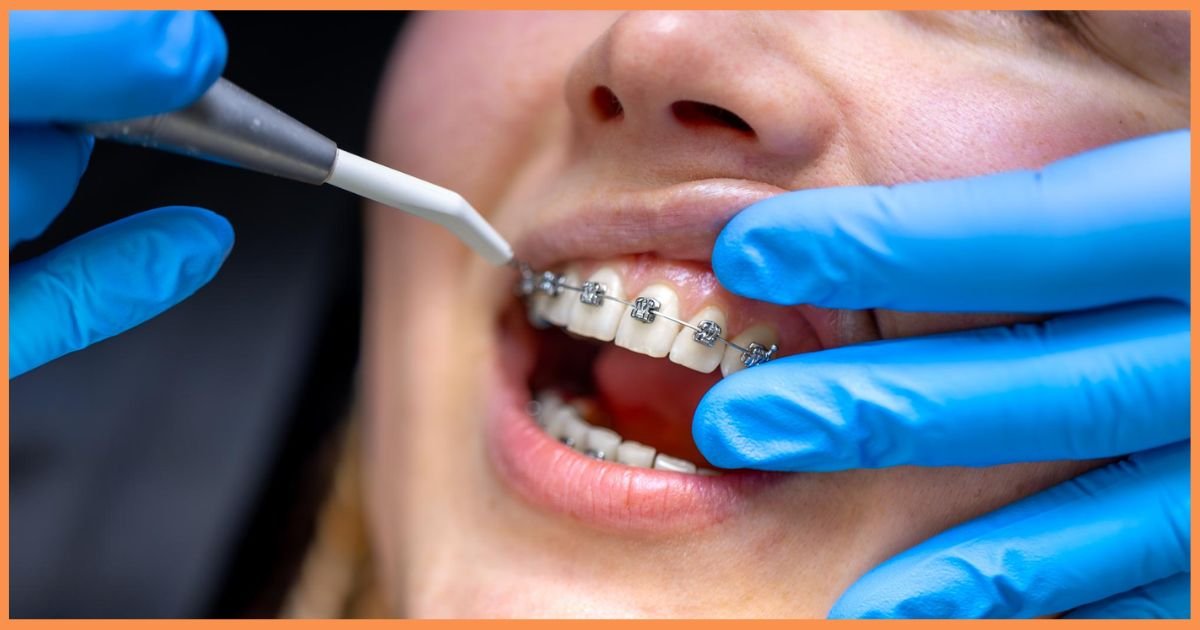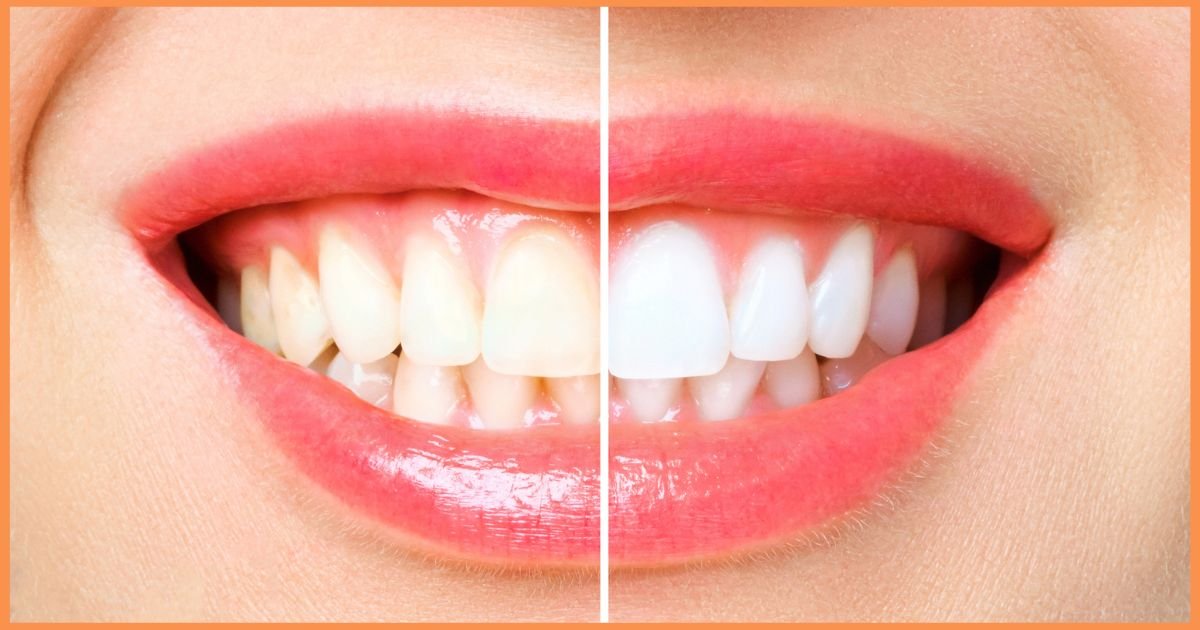
Crooked teeth, crowded teeth, gaps, or an uncomfortable bite can affect more than the appearance of your smile. Some orthodontic problems can also make it difficult to clean your teeth properly or affect how your upper and lower teeth come together.
But how do you know when it is time to see an orthodontist?
Many people assume that an orthodontist is only needed when teeth are noticeably crooked. In reality, orthodontists evaluate a much wider range of dental and bite-related concerns. Early assessment can help identify problems and determine whether treatment is needed now, later, or not at all.
At Dr Khullar Dental Clinic, orthodontic care is provided by Dr. Harsha Lalit, MDS (Orthodontics), F Orth RCSEd (Edinburgh), PhD, FWFO, FPFA, who evaluates patients based on their individual tooth alignment, bite, jaw relationship, and treatment needs.
What Does an Orthodontist Do?
An orthodontist is a dental professional who specializes in diagnosing, preventing, and managing problems related to the alignment of teeth and jaws.
Orthodontic care may address concerns such as:
- Crooked teeth
- Crowded teeth
- Gaps between teeth
- Overbite
- Underbite
- Crossbite
- Open bite
- Incorrect tooth positioning
- Certain jaw alignment concerns
- Problems with how the upper and lower teeth meet
Treatment may involve braces, clear aligners, retainers, or other orthodontic appliances depending on the patient’s condition.
What Are the Signs That You May Need an Orthodontist?
You do not necessarily need to wait until your teeth become severely crooked before seeking an orthodontic assessment.
Here are some common signs that may indicate it is worth consulting an orthodontist.
1. Your Teeth Are Crowded
Crowding occurs when there is insufficient space for teeth to fit properly within the dental arch.
Crowded teeth can overlap or rotate, making some areas difficult to brush and clean.
An orthodontist can evaluate the severity of crowding and determine which treatment options may be appropriate.
2. You Have Noticeable Gaps Between Teeth
Small spaces between teeth can occur naturally. However, larger or persistent gaps may sometimes be related to tooth position, missing teeth, tooth size, or other factors.
An orthodontic evaluation can help identify the reason for the spacing and determine whether treatment is necessary.
3. Your Teeth Look Crooked or Misaligned
Crooked teeth are one of the most common reasons people seek orthodontic treatment.
If teeth overlap, rotate, tilt, or appear out of alignment, an orthodontist can assess whether braces, clear aligners, or another approach may help improve their position.
4. Your Upper Teeth Cover Your Lower Teeth Too Much
An overbite occurs when the upper front teeth overlap the lower front teeth more than expected.
Depending on its severity and cause, an overbite may affect dental function, tooth wear, or appearance.
An orthodontist can assess the relationship between your teeth and jaws and determine whether treatment may be beneficial.
5. Your Lower Teeth Sit in Front of Your Upper Teeth
This may be an underbite.
Underbites can be related to tooth positioning, jaw development, or a combination of factors. Some cases are relatively mild, while others require more complex orthodontic or interdisciplinary treatment.
An orthodontic assessment can help determine the underlying issue and appropriate treatment options.
6. Your Teeth Do Not Come Together Properly
If some teeth do not meet when you bite down, you may have an open bite.
An open bite can sometimes affect biting, chewing, speech, or oral habits.
The cause needs to be evaluated before deciding on treatment.
7. You Have a Crossbite
A crossbite occurs when one or more upper teeth bite inside the lower teeth rather than outside them.
Crossbites can involve the front teeth, back teeth, or both.
Early assessment can be particularly useful in growing children because some developing orthodontic problems may be easier to manage at an appropriate stage.
8. You Find It Difficult to Bite or Chew
If your teeth do not meet comfortably or you frequently struggle to bite certain foods, orthodontic assessment may be appropriate.
Problems with tooth alignment or bite can sometimes affect chewing efficiency.
However, difficulty chewing can have many possible causes, so a proper dental examination is important.
9. You Frequently Bite Your Cheek or Tongue
Repeatedly biting your cheek or tongue may sometimes be associated with the way your teeth meet.
Although occasional biting is normal, frequent occurrences may warrant a dental or orthodontic evaluation.
10. You Notice Changes in Your Bite
Your bite can change over time.
If your teeth suddenly feel different when you close your mouth, or if previously straight teeth begin shifting, consider discussing the change with a dentist or orthodontist.
Changes may be related to tooth movement, tooth loss, gum problems, or other dental conditions.
Can Adults Visit an Orthodontist?
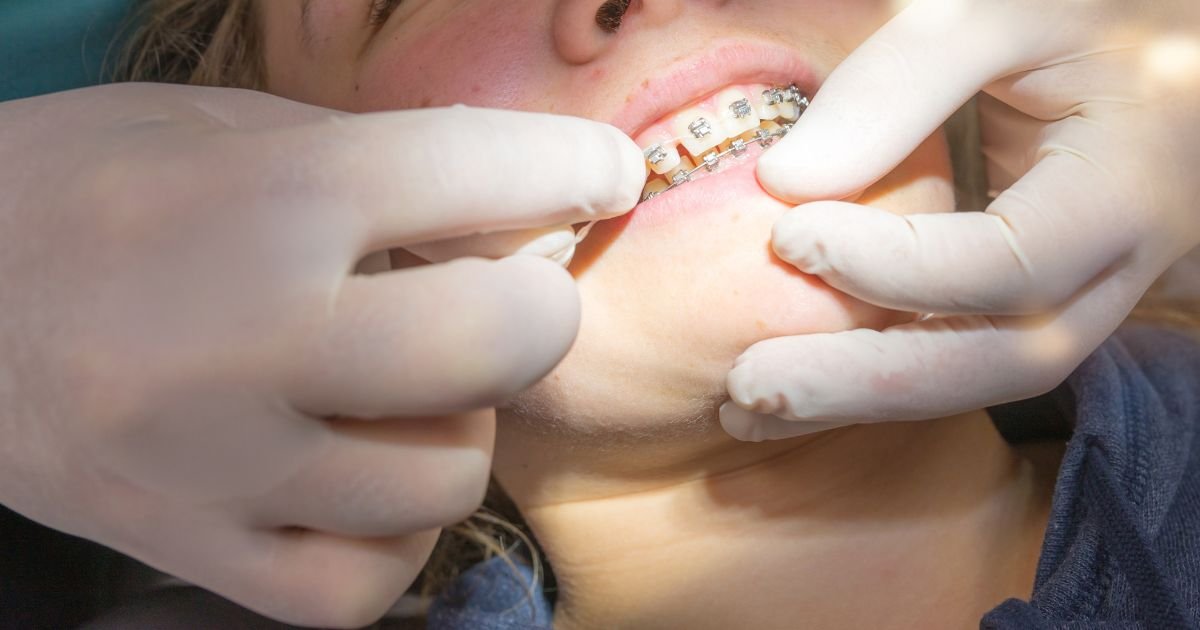
Absolutely.
Orthodontic treatment is not limited to teenagers. Many adults seek treatment to improve tooth alignment, bite function, or smile aesthetics.
Adults may choose options such as:
- Traditional braces
- Ceramic braces
- Clear aligners
- Other orthodontic appliances when clinically appropriate
The appropriate treatment depends on your dental condition rather than your age alone.
Before starting treatment, an orthodontist evaluates your teeth, gums, bite, and supporting structures.
When Should a Child See an Orthodontist?
Parents often wonder whether they should wait until all permanent teeth have erupted.
A first orthodontic evaluation is commonly recommended around age 7 by orthodontic professional organizations, although the appropriate timing can vary depending on the child’s dental development.
An early assessment does not necessarily mean that treatment will begin immediately.
In some children, the orthodontist may simply monitor growth and dental development. In others, early treatment may be recommended if a developing problem could benefit from timely intervention.
Why Is Early Orthodontic Assessment Important?
Early evaluation can help identify developing orthodontic problems before they become more complicated.
Depending on the child’s age and condition, an orthodontist may evaluate:
- Jaw growth
- Tooth eruption
- Dental crowding
- Bite development
- Tooth spacing
- Oral habits
- Relationship between upper and lower jaws
If treatment is not required immediately, regular monitoring may still be useful.
What Happens During an Orthodontic Consultation?
Knowing what to expect can make your first orthodontic visit easier.
Step 1: Discussion of Your Concerns
Your orthodontist will discuss what brought you to the clinic and what you would like to improve.
Step 2: Clinical Examination
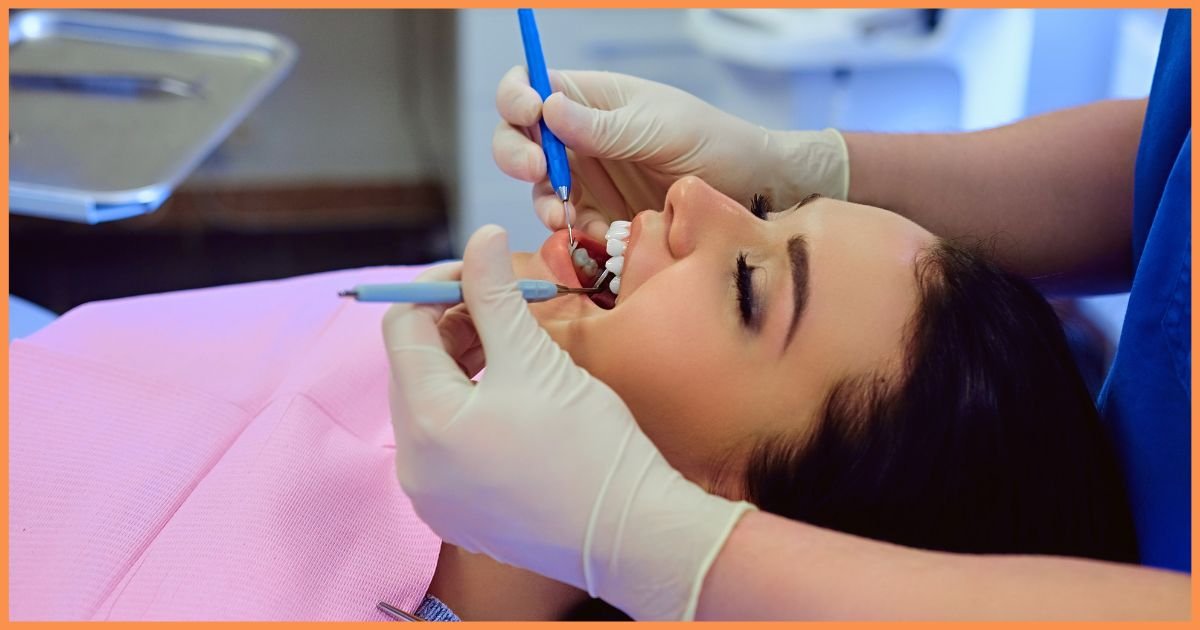
The orthodontist examines your teeth, bite, jaw relationship, and facial profile where relevant.
Step 3: Diagnostic Records
Depending on your case, photographs, X-rays, digital scans, or other diagnostic records may be recommended.
Step 4: Treatment Assessment
Your orthodontist evaluates the findings to determine whether orthodontic treatment is appropriate.
Step 5: Treatment Discussion
If treatment is recommended, you can discuss:
- Available treatment options
- Expected treatment duration
- Benefits and limitations
- Potential risks
- Retention requirements
- Estimated costs
- Follow-up appointments
A good consultation should give you enough information to make an informed decision.
What Orthodontic Treatments Are Available?
There is no single treatment that works best for every patient.
Traditional Braces
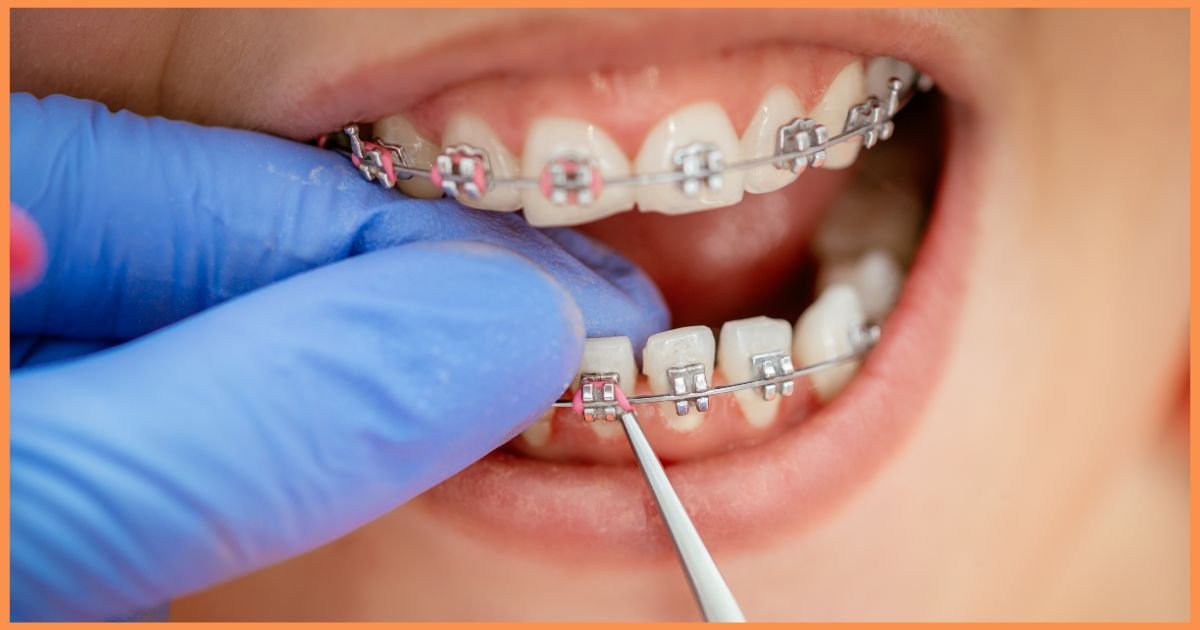
Traditional metal braces use brackets and wires to gradually move teeth into planned positions.
They can be used for many types of orthodontic problems.
Ceramic Braces
Ceramic braces use tooth-coloured or relatively less noticeable brackets.
They may be an option for patients who prefer a more discreet appearance.
Clear Aligners
Clear aligners are removable, transparent trays designed to move teeth gradually.
They may be suitable for selected orthodontic cases. However, they are not automatically appropriate for every patient.
Retainers
Retainers are used after active orthodontic treatment to help maintain the corrected tooth positions.
Wearing retainers as instructed is an important part of maintaining orthodontic results.
How Long Does Orthodontic Treatment Take?
Treatment duration varies significantly from patient to patient.
Some relatively simple alignment problems may be corrected in a shorter period, while complex cases involving significant crowding, bite problems, or jaw relationships may take longer.
Factors that can influence treatment time include:
- Severity of the orthodontic problem
- Type of treatment
- Patient age and dental development
- Tooth movement required
- Oral health
- Patient cooperation
- Attendance at scheduled appointments
- Use of prescribed elastics or appliances
Your orthodontist can provide a more individualized estimate after examination.
Does Orthodontic Treatment Hurt?
Braces and aligners move teeth gradually, so some pressure, tightness, or mild soreness can occur, particularly after braces are placed or adjusted or when changing aligners.
This discomfort is usually temporary.
If you experience severe or persistent pain, contact your orthodontist so the cause can be assessed.
What Happens If Orthodontic Problems Are Not Treated?
Not every orthodontic problem requires treatment, and some mild alignment variations may not cause significant concerns.
However, certain untreated problems may contribute to:
- Difficulty cleaning certain areas
- Increased risk of plaque accumulation
- Uneven tooth wear
- Difficulty chewing
- Bite-related discomfort
- Changes in tooth position
The potential consequences depend on the type and severity of the orthodontic issue.
An orthodontic assessment can help determine whether treatment is recommended.
Orthodontist in Gurgaon
If you are searching for an Orthodontist in Gurgaon, it is important to choose a qualified professional who can evaluate your individual dental and orthodontic needs.
At Dr Khullar Dental Clinic, orthodontic consultations are provided by Dr. Harsha Lalit, MDS (Orthodontics), F Orth RCSEd (Edinburgh), PhD, FWFO, FPFA.
A detailed evaluation can help identify concerns involving tooth alignment, crowding, spacing, bite, and jaw relationships and determine whether orthodontic treatment is appropriate.
Orthodontist in DLF Phase 3
Patients looking for an orthodontist in DLF Phase 3 may benefit from a professional orthodontic evaluation if they have crooked teeth, crowding, spacing, bite concerns, or changes in tooth alignment.
The appropriate treatment depends on the individual’s dental condition. An orthodontist can discuss whether braces, clear aligners, monitoring, or another treatment approach may be suitable.
Orthodontist in Sector 83 Gurgaon
If you are searching for an orthodontist in Sector 83 Gurgaon, consider seeking an assessment if you or your child has noticeable tooth alignment or bite concerns.
Early evaluation can be particularly useful for children whose teeth and jaws are still developing, while adults can also benefit from orthodontic assessment when alignment or bite problems affect their smile or dental function.
How Do You Choose the Right Orthodontist?
Choosing an orthodontist is an important decision.
Consider:
Qualifications
Check the orthodontist’s educational qualifications and relevant specialist training.
Experience
Ask about experience treating cases similar to yours.
Treatment Options
A good consultation should cover appropriate options rather than automatically recommending one treatment for everyone.
Diagnosis and Planning
Treatment should be based on a proper clinical assessment and appropriate diagnostic records.
Communication
Your orthodontist should explain the condition, treatment options, expected timeline, and aftercare in language you understand.
Follow-Up
Orthodontic treatment requires regular monitoring, so ongoing follow-up is an important part of care.
Questions to Ask Your Orthodontist
Before starting treatment, consider asking:
- What orthodontic problem do I have?
- Do I actually need treatment?
- What treatment options are available?
- Which option is most appropriate for my case and why?
- How long might treatment take?
- What are the potential risks and limitations?
- Will I need retainers?
- How often will I need appointments?
- What happens if I miss an appointment?
- What should I expect after treatment?
Asking questions helps you understand your treatment and participate actively in your dental care.
Frequently Asked Questions About Orthodontic Treatment
How do I know if I need to see an orthodontist?
Crooked or crowded teeth, gaps, overbite, underbite, crossbite, open bite, difficulty chewing, or noticeable changes in your bite may be reasons to schedule an orthodontic assessment.
At what age should a child see an orthodontist?
An initial orthodontic evaluation is commonly recommended around age 7, although timing varies depending on dental development and individual circumstances.
Can adults get orthodontic treatment?
Yes. Adults can undergo orthodontic treatment when their teeth and supporting tissues are healthy enough for the planned treatment.
Do crooked teeth always require braces?
No. The need for orthodontic treatment depends on the severity of the alignment or bite problem, dental health, functional concerns, and the patient’s goals.
Are clear aligners better than braces?
Neither option is universally better. Clear aligners and braces have different advantages and limitations, and the appropriate choice depends on the individual’s orthodontic problem and treatment goals.
How long does orthodontic treatment take?
Treatment duration varies according to the complexity of the case, type of treatment, tooth movement required, patient cooperation, and other individual factors.
Why are retainers needed after braces?
Teeth can naturally shift after orthodontic treatment. Retainers help maintain their corrected positions when worn according to the orthodontist’s instructions.
Can an orthodontist fix an overbite?
Many overbite cases can be treated orthodontically. The appropriate approach depends on the severity and underlying cause of the overbite.
Is orthodontic treatment only for cosmetic reasons?
No. Orthodontic treatment can improve tooth alignment and bite relationships, in addition to improving smile appearance.
When Should You Book an Orthodontic Consultation?
You should consider an orthodontic consultation if you notice:
- Increasing tooth crowding
- Significant spaces between teeth
- Crooked or rotated teeth
- An overbite or underbite
- A crossbite
- An open bite
- Difficulty biting or chewing
- Frequent cheek or tongue biting
- Changes in your bite
- Concerns about your child’s developing teeth or jaws
You do not need to wait for a serious problem before seeking professional advice.
Final Thoughts
Knowing when to see an orthodontist can help you address alignment and bite concerns at the appropriate time.
Whether you are an adult considering braces or aligners, a parent concerned about your child’s developing teeth, or someone experiencing changes in their bite, an orthodontic evaluation can provide clarity about your options.
If you are looking for an Orthodontist in Gurgaon, Dr Khullar Dental Clinic provides orthodontic consultation and treatment planning with Dr. Harsha Lalit, MDS (Orthodontics), F Orth RCSEd (Edinburgh), PhD, FWFO, FPFA.
The right treatment depends on your individual dental condition. A professional examination can help determine whether you need orthodontic treatment, which options may be suitable, and what you can realistically expect from the treatment process.