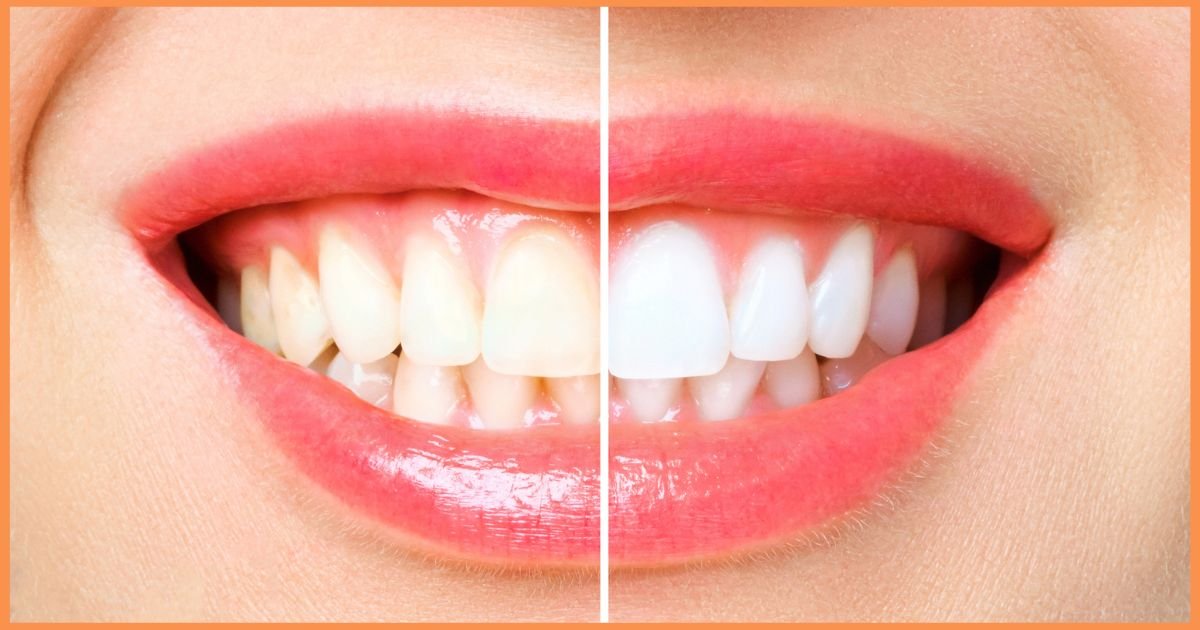
Missing teeth can affect much more than the appearance of your smile. They can make chewing uncomfortable, affect speech, change the way your remaining teeth meet, and sometimes lead to changes in the surrounding bone over time.
Dental implants are one option for replacing missing teeth. However, successful implant treatment involves more than simply placing an implant. Careful diagnosis, treatment planning, surgical expertise, appropriate restoration, and long-term follow-up all play important roles.
This is why choosing the right dental implantologist can make an important difference to your smile restoration journey.
At Dr Khullar Dental Clinic, implant treatment is planned according to the patient’s oral health, bone condition, number of missing teeth, aesthetic goals, and overall dental needs.
What Is a Dental Implantologist?
A dental implantologist is a dental professional who focuses on the assessment, planning, placement, and restoration of dental implants.
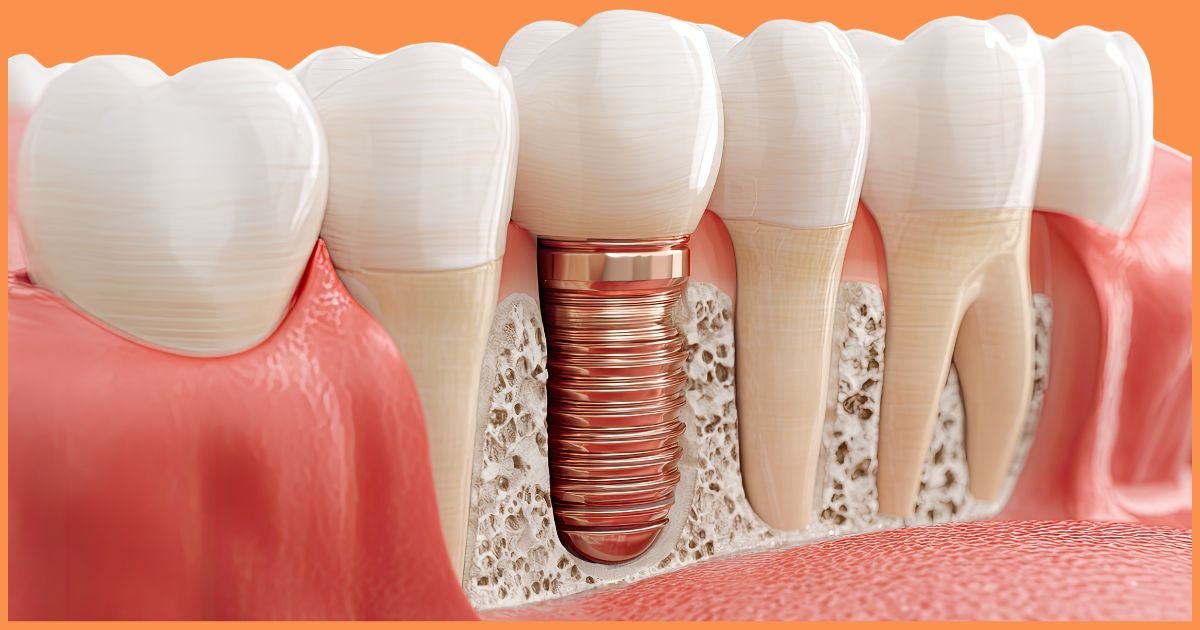
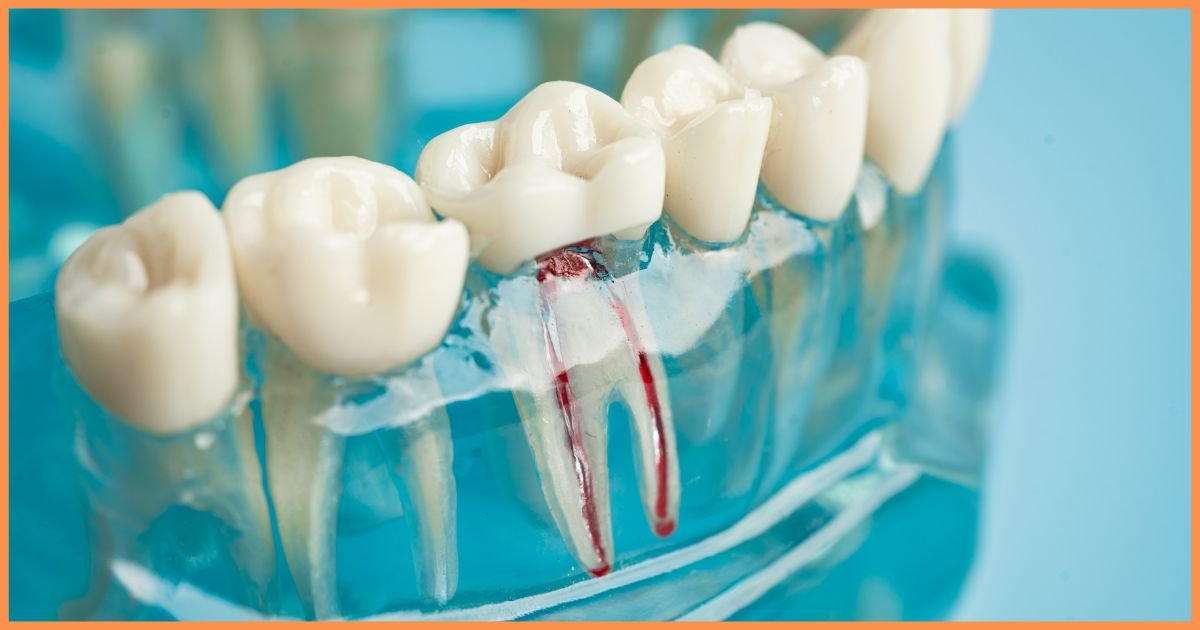
Dental implant treatment generally involves replacing the root portion of a missing tooth with a biocompatible implant. Once the implant has integrated with the surrounding bone, it can support a dental crown, bridge, or other restoration.
Depending on the patient’s needs and the clinical setup, implant treatment may involve collaboration between different dental professionals, such as implant-focused dentists, oral surgeons, prosthodontists, or periodontists.
The most important consideration is not simply the title used by a practitioner, but their qualifications, relevant training, clinical experience, diagnostic approach, treatment planning, and ability to manage your individual case.
How Can the Right Dental Implantologist Improve Smile Restoration?
Choosing an experienced and appropriately qualified implant professional can support a carefully planned treatment process.
Here are some of the ways the right dental implantologist can contribute to your smile restoration.
1. Provides a Detailed Assessment Before Treatment
Every patient’s mouth is different.
Before recommending dental implants, an implant professional should assess factors such as:
- The number and location of missing teeth
- Available bone
- Gum health
- Existing teeth
- Bite and jaw relationship
- Oral hygiene
- Medical and dental history
- Aesthetic expectations
Diagnostic imaging may also be recommended to evaluate the available bone and important anatomical structures.
A thorough assessment helps determine whether dental implants are suitable and what treatment approach may be appropriate.
2. Creates a Personalized Implant Treatment Plan
Dental implants should not be treated as a one-size-fits-all procedure.
Your implantologist may consider:
- Implant position
- Number of implants required
- Type of final restoration
- Bone availability
- Gum condition
- Bite forces
- Aesthetic requirements
- Timing of implant placement
- Any preparatory procedures that may be required
A personalized plan helps coordinate the surgical and restorative stages of treatment.
3. Helps Preserve a Natural-Looking Smile
A successful smile restoration should not only replace a missing tooth—it should also complement your existing teeth.
The appearance of an implant-supported crown can depend on several factors, including its position, the surrounding gum tissue, the shape and shade of the restoration, and the patient’s existing smile.
Careful treatment planning can help create a restoration that looks appropriate within the overall smile.
4. Evaluates Bone and Gum Health
Dental implants require suitable conditions for predictable treatment.
After tooth loss, the jawbone in the area may gradually shrink because it no longer receives stimulation from a natural tooth root.
An implantologist can evaluate the available bone and determine whether additional treatment may be necessary.
Depending on the individual case, this may include procedures such as bone grafting or other forms of site preparation.
Not every patient needs these procedures, which is why proper assessment is important.
5. Considers Your Overall Oral Health
Implants should not be considered in isolation from the rest of your mouth.
Active gum disease, untreated tooth decay, poor oral hygiene, or other oral health concerns may need to be addressed before implant placement.
A responsible treatment plan considers the health of the entire mouth rather than focusing only on the missing tooth.
6. Uses Appropriate Diagnostic Technology
Modern implant dentistry may use digital imaging and other diagnostic tools to improve treatment planning.
Depending on the case, your dental team may recommend:
- Digital dental X-rays
- 3D dental imaging
- Intraoral scans
- Digital photographs
- Diagnostic models
The purpose of technology is to provide useful clinical information. It should support, rather than replace, professional examination and clinical judgment.
7. Plans Implant Placement Carefully
The position of a dental implant can influence both function and appearance.
Implant placement should take into account the available bone, surrounding anatomical structures, final restoration, bite, and aesthetic considerations.
Careful planning before surgery can help the dental team work toward the intended position and restoration.
8. Helps You Understand the Treatment Timeline
Dental implant treatment is usually completed in stages rather than instantly.
Depending on the patient’s situation, the process may involve:
Consultation → Diagnosis → Treatment planning → Implant placement → Healing/integration → Restoration → Follow-up
Some patients may require additional procedures before or during implant treatment.
Your implantologist should explain the expected sequence and provide a realistic estimate of the treatment timeline.
9. Discusses All Suitable Treatment Options
Dental implants are not automatically the right choice for everyone.
Depending on your situation, alternatives may include:
- Dental bridges
- Removable partial dentures
- Complete dentures
- Implant-supported restorations
A good dental consultation should include a discussion of appropriate alternatives, along with their potential advantages, limitations, costs, and maintenance requirements.
This allows you to make an informed decision instead of choosing a treatment based only on advertising or assumptions.
10. Provides Guidance After Implant Placement
Implant treatment does not end when the implant is placed.
Follow-up care is important for monitoring healing and ensuring that the restoration is functioning properly.
Your dental professional may provide instructions regarding:
- Oral hygiene
- Eating during the healing period
- Medication, when prescribed
- Follow-up appointments
- Cleaning around the implant
- Long-term maintenance
Following these instructions can support the long-term health of your implant and surrounding tissues.
What Are the Benefits of Dental Implants?
When appropriately planned and maintained, dental implants can offer several benefits for suitable patients.
Natural-Looking Tooth Replacement
A well-planned implant-supported restoration can be designed to blend with your natural teeth.
Improved Chewing
Replacing missing teeth can help restore chewing function.
Support for Oral Function
Replacing missing teeth may help maintain a more balanced bite and tooth function.
Helps Replace the Tooth Root
Unlike conventional bridges and dentures, an implant is designed to replace the root portion of a missing tooth.
Can Help Preserve Bone
Implants can provide stimulation to the surrounding bone and may help reduce the bone loss associated with the absence of a tooth root.
Long-Term Solution for Suitable Patients
With appropriate placement, restoration, oral hygiene, and regular professional care, dental implants can provide a durable tooth replacement option.
However, individual outcomes vary, and no dental treatment can guarantee a particular lifespan.
Who May Be a Candidate for Dental Implants?
Dental implants may be considered for adults who have one or more missing teeth and have adequate oral health and suitable bone conditions.
A dental implantologist will evaluate factors such as:
- Bone volume and quality
- Gum health
- Oral hygiene
- Overall health
- Smoking or tobacco use
- Existing dental conditions
- Ability to maintain the implant and restoration
If there is insufficient bone or active oral disease, additional treatment may be recommended before implant placement.
Are Dental Implants Suitable for Everyone?
No.
Certain conditions may make implant treatment more complicated or require additional management.
For example, uncontrolled gum disease, insufficient bone, poor oral hygiene, certain medical conditions, and tobacco use can influence treatment planning and healing.
This does not necessarily mean implants are impossible. It means that a thorough assessment is essential before treatment.
What Should You Look for in an Implantologist?
If you are considering dental implants, ask the following questions before choosing a dental professional:
Qualifications and Training
Does the dental professional have appropriate qualifications and relevant implant training?
Clinical Experience
How frequently does the professional perform implant-related procedures, and what types of cases do they manage?
Diagnostic Approach
Does the treatment plan involve an appropriate examination and diagnostic assessment?
Treatment Transparency
Are the procedure, expected timeline, potential risks, alternatives, and costs explained clearly?
Follow-Up Care
Does the clinic provide appropriate follow-up and maintenance guidance?
Patient Communication
Do you feel comfortable asking questions and discussing your concerns?
These factors can help you make a more informed decision.
Implantologist in Gurgaon
If you are searching for an implantologist in Gurgaon, selecting a dental professional based on clinical expertise and individualized treatment planning is important.
At Dr Khullar Dental Clinic, patients can undergo a detailed dental assessment to determine whether implants are appropriate for their specific needs.
The treatment approach may vary depending on the number of missing teeth, bone condition, gum health, bite, and desired final restoration.
Rather than promising the same outcome or timeline for every patient, an individualized consultation helps establish realistic treatment expectations.
Implantologist in Sector 54 Gurgaon
Patients looking for an implantologist in Sector 54 Gurgaon should consider factors such as qualifications, implant experience, diagnostic facilities, treatment planning, hygiene standards, and aftercare when selecting a dental clinic.
A consultation can help determine whether you are a suitable candidate for dental implants and whether any preparatory treatment is required.
At Dr Khullar Dental Clinic, treatment recommendations are based on the patient’s individual dental condition rather than a standard approach.
Implantologist in Golf Course Road
If you are searching for an implantologist in Golf Course Road, it is important to look beyond convenience and consider the quality of your treatment plan.
A dental implant consultation should cover your oral health, bone availability, gum condition, treatment alternatives, expected timeline, restoration options, and long-term maintenance.
Dr Khullar Dental Clinic can evaluate your dental needs and discuss suitable options for replacing missing teeth.
What Happens During a Dental Implant Consultation?
Your first implant consultation is an opportunity to understand your condition and treatment options.
A typical consultation may include:
Medical and Dental History
Your dentist may ask about previous dental treatment, medications, health conditions, allergies, and lifestyle factors relevant to implant treatment.
Clinical Examination
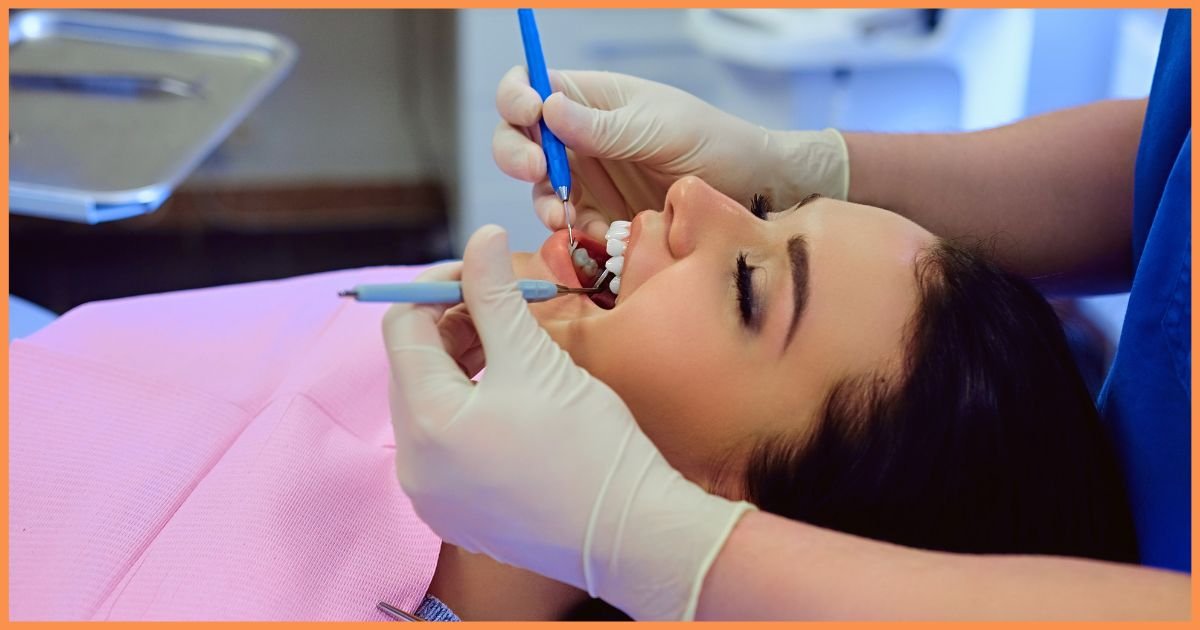
Your teeth, gums, bite, and the area of missing teeth are evaluated.
Diagnostic Imaging
Depending on your case, X-rays or 3D imaging may be recommended.
Treatment Discussion
Your dentist explains whether implants may be appropriate and discusses alternative options where relevant.
Personalized Treatment Plan
If you are a suitable candidate, your dental team can develop a treatment plan based on your specific requirements.
How Can You Maintain Dental Implants After Treatment?

Good maintenance is essential for long-term implant health.
Brush Regularly
Clean your teeth and implant-supported restoration according to your dentist’s recommendations.
Clean Between Teeth
Use floss, interdental brushes, or other cleaning aids recommended by your dental professional.
Attend Regular Dental Visits
Professional examinations allow your dentist to monitor the implant, gums, and restoration.
Avoid Tobacco
Smoking and tobacco use can negatively affect oral health and may increase complications around dental implants.
Report Unusual Symptoms
Contact your dentist if you experience persistent pain, swelling, bleeding, mobility, or changes around an implant.
Frequently Asked Questions About Dental Implantologists
What does a dental implantologist do?
A dental implantologist focuses on the assessment, planning, placement, and restoration of dental implants. Depending on the case, implant treatment may involve collaboration between multiple dental specialists.
How do I choose the right implantologist?
Look for appropriate qualifications, relevant implant training and experience, thorough diagnosis, clear communication, appropriate treatment planning, transparent discussion of risks and alternatives, and reliable follow-up care.
Are dental implants better than dentures?
Dental implants and dentures serve different purposes. Implants may provide a fixed tooth replacement option for suitable patients, while dentures can be appropriate in other situations. Your dentist can explain which option is suitable for you.
How long does dental implant treatment take?
Treatment duration varies considerably. It may take several months because the implant may need time to integrate with the surrounding bone before the final restoration is placed. Some cases may require additional procedures.
Is dental implant surgery painful?
Dental implant placement is generally performed using local anaesthesia. Some soreness, swelling, or discomfort may occur after the procedure. Your dental professional will provide appropriate post-operative instructions.
Can one implant replace one missing tooth?
Yes, a single dental implant can often support a crown for one missing tooth when the patient is an appropriate candidate.
Can dental implants replace multiple missing teeth?
Yes. Depending on the patient’s condition, multiple implants may support individual crowns, a bridge, or another implant-supported restoration.
How long can dental implants last?
Dental implants can provide long-term tooth replacement when properly planned, placed, restored, and maintained. Their longevity varies between individuals and depends on factors such as oral hygiene, gum health, biting forces, lifestyle, and regular professional care.
Do dental implants look natural?
A carefully planned implant-supported restoration can be designed to match the appearance of surrounding teeth. The final aesthetic result depends on factors such as implant position, gum tissue, restoration design, tooth shade, and individual anatomy.
Final Thoughts
Choosing the right dental implantologist is an important decision when you are considering tooth replacement.
A successful smile restoration involves more than placing an implant. It requires accurate diagnosis, personalized planning, appropriate clinical expertise, suitable restoration, good oral hygiene, and long-term maintenance.
If you are looking for an implantologist in Sector 54 Gurgaon, consider scheduling a consultation with Dr Khullar Dental Clinic to discuss your individual dental needs.
A professional evaluation can help you understand whether dental implants are appropriate for you, what alternatives may be available, and what treatment process you can realistically expect.