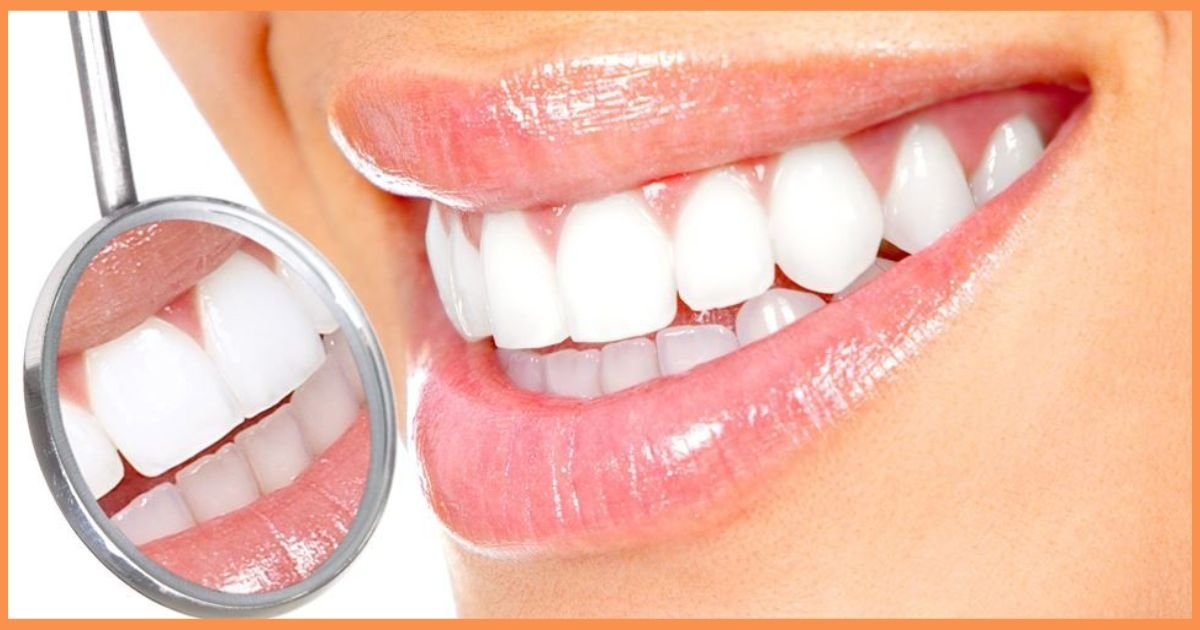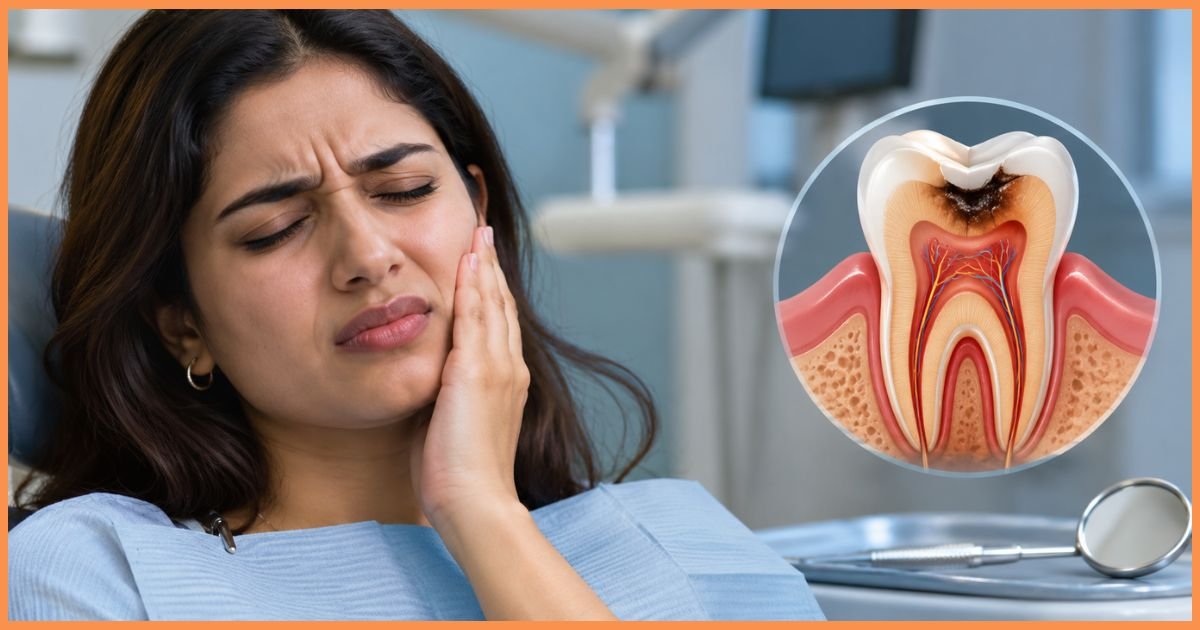
A bright, white smile can make you feel more confident, but achieving whiter teeth should never come at the cost of your dental health. Many people try home remedies, whitening toothpastes, charcoal powders, baking soda, and other DIY treatments to remove yellow stains. However, not every whitening method is safe for your teeth.
Your tooth enamel is the hard, protective outer layer that shields the inner structure of your teeth. Once enamel is lost, it cannot naturally grow back. This is why choosing the right teeth whitening method is just as important as achieving the desired shade.
The good news is that you can improve the appearance of your smile without unnecessarily harming your enamel. With proper dental evaluation, suitable whitening products, and professional guidance, it is possible to achieve a brighter smile while protecting your oral health.
At Dr Khullar Dental Clinic, patients can seek professional guidance to understand their staining concerns and explore suitable cosmetic dental treatments. If you are considering Teeth Whitening in Gurgaon, understanding the safest approaches can help you make an informed decision.
Let’s explore how teeth whitening works, which methods are safer, and what you should avoid to protect your enamel.
What Causes Teeth to Become Yellow or Stained?
Before choosing a whitening treatment, it is important to understand why teeth lose their natural brightness. Tooth discolouration does not always happen because of poor oral hygiene. Several lifestyle, dietary, and age-related factors can contribute to yellow or stained teeth.
Some common causes include:
1. Tea and Coffee Consumption
Regular consumption of tea, coffee, and other dark-coloured beverages can gradually stain the outer surface of your teeth. These drinks contain pigments that attach to enamel and make teeth appear darker over time.
2. Smoking and Tobacco Use
Tobacco products contain substances that can leave stubborn yellow or brown stains on teeth. Smoking can also negatively affect gum health and increase the risk of oral health problems.
3. Ageing
As you grow older, your enamel gradually becomes thinner due to everyday wear. The yellowish dentin underneath becomes more visible, making your teeth appear less white.
4. Poor Oral Hygiene
Inadequate brushing and flossing can allow plaque and tartar to accumulate. This buildup can make teeth look yellow and dull.
5. Certain Medications and Dental Conditions
Some medications, dental injuries, and developmental conditions can cause changes in tooth colour. These stains may not respond to ordinary whitening toothpaste or surface cleaning.
Understanding the cause of discolouration helps a dentist recommend the most appropriate treatment rather than relying on unnecessary whitening procedures.
Can You Whiten Your Teeth Without Damaging Enamel?
Yes, teeth whitening can be performed without causing significant enamel damage when the correct products and techniques are used appropriately.
Most professional whitening treatments use hydrogen peroxide or carbamide peroxide. These ingredients help break down coloured compounds within the tooth, making discoloured teeth appear lighter.
However, the concentration, application time, frequency of use, and condition of your teeth all matter.
Whitening products should not be used excessively or without understanding whether they are suitable for your dental condition. Some people may experience temporary tooth sensitivity or gum irritation after treatment.
A dental examination before whitening helps identify existing cavities, gum inflammation, enamel erosion, exposed tooth roots, or other conditions that may need attention first.
7 Safe Ways to Get Whiter Teeth Without Harming Enamel
If you want a brighter smile, you do not need to experiment with harsh whitening methods. A few simple oral care habits, combined with the right dental treatment, can help improve tooth colour while maintaining healthy enamel.
1. Brush Your Teeth Twice a Day
Brushing twice daily with a soft-bristled toothbrush and fluoride toothpaste helps remove plaque and food particles that contribute to surface staining.
Keep these points in mind:
- Brush gently for two minutes.
- Avoid applying excessive pressure.
- Use a fluoride toothpaste recommended by your dentist.
- Clean all tooth surfaces, including the gumline.
- Replace your toothbrush when the bristles become worn.
Brushing harder does not make teeth whiter. In fact, aggressive brushing can contribute to enamel wear and gum recession.
2. Choose a Suitable Whitening Toothpaste
Whitening toothpaste can help remove surface stains caused by tea, coffee, and certain foods. Some products use mild abrasives, while others contain ingredients that help reduce staining.
However, whitening toothpaste generally does not change the natural internal colour of your teeth as effectively as peroxide-based bleaching treatments.
Choose a product from a reputable manufacturer and ask your dentist whether it is suitable if you already have sensitive teeth.
3. Consider Professional Teeth Whitening
Professional whitening is a suitable option for people who want to improve the appearance of naturally stained or yellow teeth.
A dentist first examines your teeth and gums to identify the cause of discolouration. Depending on your dental condition, the dentist may recommend an in-clinic whitening procedure or a dentist-supervised home whitening kit.
Professional treatment may involve:
- Selecting an appropriate whitening agent and concentration.
- Protecting the gums and other soft tissues.
- Applying the whitening gel according to the prescribed protocol.
- Monitoring the treatment and checking for sensitivity.
If you are exploring Teeth Whitening in Gurgaon, consult a qualified dental professional before choosing a treatment. The aim should be to achieve a natural-looking improvement while minimising unnecessary exposure to whitening chemicals.
4. Avoid Excessive Use of Whitening Products
Using whitening strips, gels, or toothpaste more frequently than recommended will not necessarily give you better results.
Overuse of bleaching products can increase the risk of tooth sensitivity, gum irritation, and other unwanted effects. Follow the product instructions and your dentist’s recommended treatment schedule.
If you experience persistent discomfort, stop using the product and consult your dentist.
5. Drink Water After Consuming Staining Beverages
Tea, coffee, cola, and other dark-coloured beverages can contribute to surface stains.
You can reduce their impact by:
- Drinking water after consuming tea or coffee.
- Rinsing your mouth with plain water.
- Avoiding frequent sipping of staining beverages throughout the day.
- Limiting tobacco consumption and seeking help to quit.
These habits will not bleach existing stains, but they can help reduce further staining.
6. Maintain Regular Dental Check-ups and Cleaning
Sometimes, your teeth may look yellow because of plaque and hardened tartar rather than deep discolouration.
Professional dental cleaning, also called scaling and polishing, helps remove accumulated plaque, tartar, and certain external stains.
It is important to understand that cleaning and whitening are different procedures:
- Scaling and polishing: Removes deposits and surface stains.
- Teeth whitening: Uses bleaching agents to change the colour of natural teeth.
Your dentist can help determine which procedure is appropriate for your needs.
7. Support Your Enamel with Good Oral Care
Healthy enamel is essential for maintaining strong teeth. Although lost enamel cannot naturally regenerate, good oral hygiene can help protect the remaining enamel and support remineralisation of early mineral loss.
Some useful habits include:
- Use fluoride toothpaste regularly.
- Limit frequent consumption of sugary and acidic foods.
- Avoid brushing immediately after consuming acidic drinks or foods. Rinse with water and wait before brushing.
- Avoid using teeth as tools to open packages or bite hard objects.
- Discuss tooth sensitivity or enamel erosion with your dentist.
These everyday practices support long-term oral health and help keep your smile looking its best.
Which Teeth Whitening Methods Should You Avoid?
Not every popular whitening trend is safe. Some home remedies may appear inexpensive and convenient, but they can irritate your gums, wear down enamel, or produce disappointing results.
Here are some methods you should avoid without professional advice.
1. Activated Charcoal
Charcoal products are promoted as natural whitening solutions. However, there is insufficient reliable evidence that they provide safe and effective whitening. Abrasive formulations may wear away tooth surfaces.
2. Excessive Baking Soda Scrubbing
Baking soda is used in some formulated oral care products, but aggressively scrubbing teeth with homemade mixtures is not a reliable substitute for professional whitening.
3. Lemon Juice and Other Acidic Ingredients
Lemon juice contains acid that can weaken and erode enamel. Repeated exposure may increase sensitivity and make teeth appear more yellow as the underlying dentin becomes visible.
4. Undiluted Hydrogen Peroxide
Using household hydrogen peroxide directly on teeth without professional instructions can irritate oral tissues and cause unwanted effects. Whitening products should be selected and used according to professional advice.
5. Overusing Whitening Strips
Whitening strips may help reduce discolouration when used correctly, but repeated or prolonged use beyond the recommended schedule can increase sensitivity and gum irritation.
The American Dental Association also highlights the limited evidence supporting DIY whitening remedies, particularly charcoal-based products and household ingredients.
Professional Teeth Whitening Options: Which One Is Right for You?
Different types of tooth discolouration may require different treatments. Your dentist will consider your oral health, the cause of staining, and your desired results before recommending an option.
| Treatment | How It Works | Suitable For |
|---|---|---|
| In-clinic whitening | Dentist applies a professional bleaching gel under controlled conditions. | People seeking professional whitening. |
| Dentist-supervised home whitening | Custom-fitted trays deliver whitening gel over a prescribed period. | People who prefer gradual whitening. |
| Scaling and polishing | Removes plaque, tartar, and external stains. | People with surface stains and deposits. |
| Whitening toothpaste | Helps remove certain surface stains. | Maintaining cleaner-looking teeth. |
There is no single whitening treatment that works equally well for everyone. For example, yellow stains may respond differently from discolouration caused by dental trauma, fluorosis, or certain medications.
According to the American Dental Association, both in-office whitening and dentist-supervised home whitening are established approaches. Temporary tooth sensitivity and gum irritation are among the most common side effects.
Who Should Avoid Teeth Whitening?
Although whitening can be suitable for many adults, it is not appropriate for everyone.
Your dentist may recommend delaying or avoiding whitening if you have:
- Untreated cavities or tooth decay.
- Inflamed or bleeding gums.
- Cracked teeth or exposed tooth roots.
- Significant enamel erosion.
- Severe or unexplained tooth sensitivity.
- Certain types of deep internal tooth discolouration.
Pregnant or breastfeeding individuals should discuss the timing and suitability of cosmetic whitening with their dentist.
Teeth whitening also does not change the colour of crowns, veneers, fillings, or dental implants. This means existing restorations may look different from your newly whitened natural teeth.
A dental examination is important before starting any whitening treatment.
Does Teeth Whitening Cause Tooth Sensitivity?
Tooth sensitivity is one of the most commonly reported temporary side effects of professional and at-home bleaching.
You may notice discomfort when consuming cold drinks, hot beverages, or sweet foods. This can happen because peroxide-based whitening agents penetrate the tooth structure and may temporarily affect the tissues inside the tooth.
The likelihood of sensitivity can depend on:
- The concentration of the whitening agent.
- How long the product remains on the teeth.
- Existing enamel damage or gum recession.
- Pre-existing tooth sensitivity.
- The frequency of whitening treatments.
Your dentist may recommend adjusting the treatment schedule or using an appropriate desensitising toothpaste.
If sensitivity is severe, continues after treatment, or affects your daily activities, seek a dental evaluation rather than continuing the whitening procedure.
How Long Do Teeth Whitening Results Last?
Teeth whitening results are not permanent. Their duration depends on your oral hygiene, eating habits, smoking or tobacco use, the original cause of discolouration, and the whitening method used.
You can help maintain your results by:
- Brushing twice daily with fluoride toothpaste.
- Flossing or cleaning between your teeth every day.
- Limiting frequent consumption of staining beverages.
- Avoiding tobacco products.
- Visiting your dentist for regular check-ups.
- Following professional advice before considering touch-up whitening.
Remember that repeating whitening treatments unnecessarily can increase the risk of sensitivity and irritation. Your dentist can help determine whether additional treatment is needed.
What Happens During a Professional Teeth Whitening Appointment?
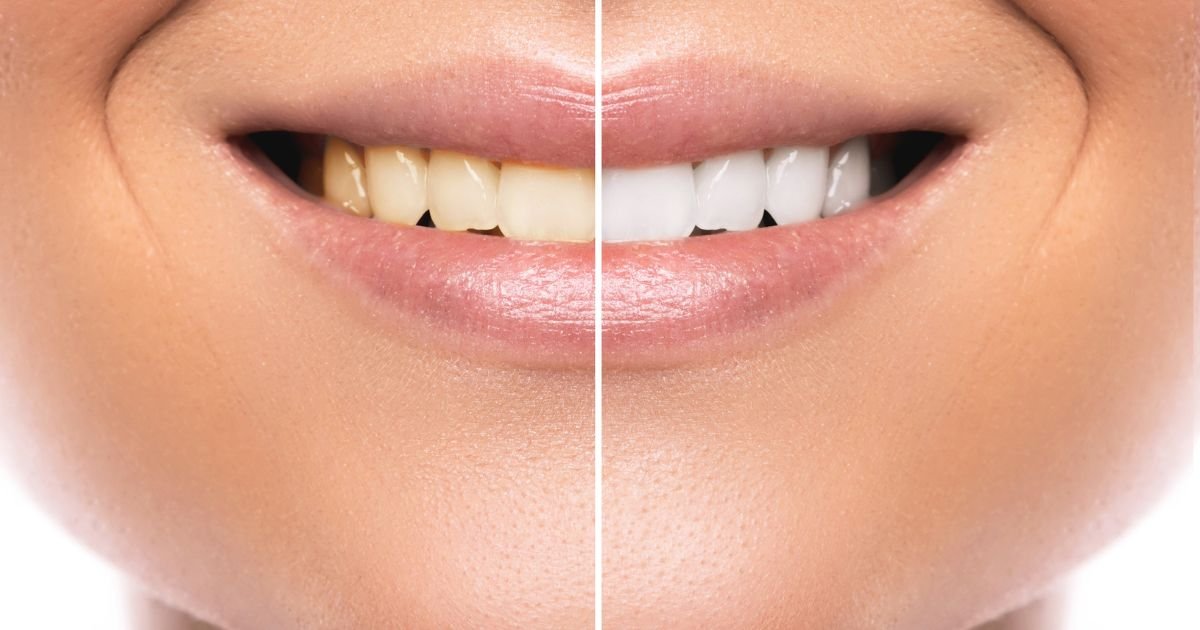
If you have never undergone professional whitening, knowing what to expect can make the experience more comfortable.
A typical appointment involves the following steps:
Step 1: Dental Examination
The dentist examines your teeth and gums, checks for cavities or sensitivity, and identifies the possible cause of discolouration.
Step 2: Treatment Planning
Based on your dental condition, the dentist selects an appropriate whitening method and discusses the expected results, possible side effects, and limitations.
Step 3: Gum Protection
Before applying the whitening gel, the dentist takes precautions to protect your gums and other soft tissues from unnecessary contact with the bleaching agent.
Step 4: Whitening Application
The whitening product is applied according to the selected treatment protocol. The dentist monitors the procedure and follows the recommended application time.
Step 5: Post-Treatment Advice
After treatment, you receive instructions about oral hygiene, managing sensitivity, and maintaining your results.
The duration and number of appointments depend on the treatment selected and the type of staining.
Frequently Asked Questions About Safe Teeth Whitening
1. Can I Whiten My Teeth Naturally Without Damaging Enamel?
You can maintain cleaner-looking teeth through regular brushing, flossing, drinking water, and limiting staining foods and beverages. However, natural home remedies such as lemon juice and charcoal are not recommended whitening treatments. For noticeable colour changes, consult a dentist.
2. Does Teeth Whitening Permanently Damage Enamel?
Properly supervised whitening does not generally cause significant permanent enamel damage when performed appropriately. However, excessive use, unsuitable products, and incorrect application can increase the risk of sensitivity and damage to oral tissues.
3. Is Professional Teeth Whitening Better Than Whitening Toothpaste?
They serve different purposes. Whitening toothpaste mainly removes surface stains, while professional bleaching can lighten the natural colour of teeth. Your dentist can recommend the appropriate option based on your dental condition.
4. Can Yellow Teeth Become White Again?
In many cases, yellow teeth can become visibly lighter with appropriate whitening treatment. However, the results depend on the cause and depth of the discolouration. Some internal stains may require alternative cosmetic dental procedures.
5. How Often Should I Get My Teeth Whitened?
There is no fixed schedule that is suitable for everyone. The frequency depends on the whitening method, your oral health, and how your teeth respond to treatment. Avoid repeated whitening without consulting your dentist.
6. Is Teeth Whitening Safe for Sensitive Teeth?
People with sensitive teeth may still be candidates for whitening, but they need an individual assessment. Your dentist may first address the cause of sensitivity and recommend a suitable product or modified treatment schedule.
7. Does Scaling Make Teeth White?
Scaling removes plaque and hardened tartar, which can make teeth look cleaner and brighter. However, it does not change the natural internal colour of teeth like bleaching does.
Get a Brighter Smile While Protecting Your Enamel at Dr Khullar Dental Clinic
A beautiful smile starts with healthy teeth. While having whiter teeth can improve your confidence, protecting your enamel and maintaining good oral health should always come first.
At Dr Khullar Dental Clinic, patients can discuss their tooth discolouration concerns, understand available cosmetic dental options, and receive guidance based on their individual oral health needs.
If you are considering Teeth Whitening in Gurgaon, a professional dental consultation can help you understand whether whitening is appropriate for you and which treatment approach may be suitable.