A severe toothache can make simple activities such as eating, drinking, or sleeping uncomfortable. In some cases, the pain may be caused by an infection or inflammation deep inside the tooth. When the soft tissue inside the tooth, known as the pulp, becomes infected or damaged, root canal treatment may be recommended to save the natural tooth.
Root canal treatment is a common dental procedure designed to remove infected or damaged pulp, clean and disinfect the inside of the tooth, and seal it to prevent further infection.
At Dr Khullar Dental Clinic, treatment is planned according to the condition of the tooth, the extent of infection, and the patient’s overall oral health. Understanding the procedure, possible discomfort, benefits, and aftercare can help you make an informed decision about your dental care.
What Is Root Canal Treatment?
Root canal treatment is a dental procedure used to treat infection or inflammation affecting the pulp inside a tooth.
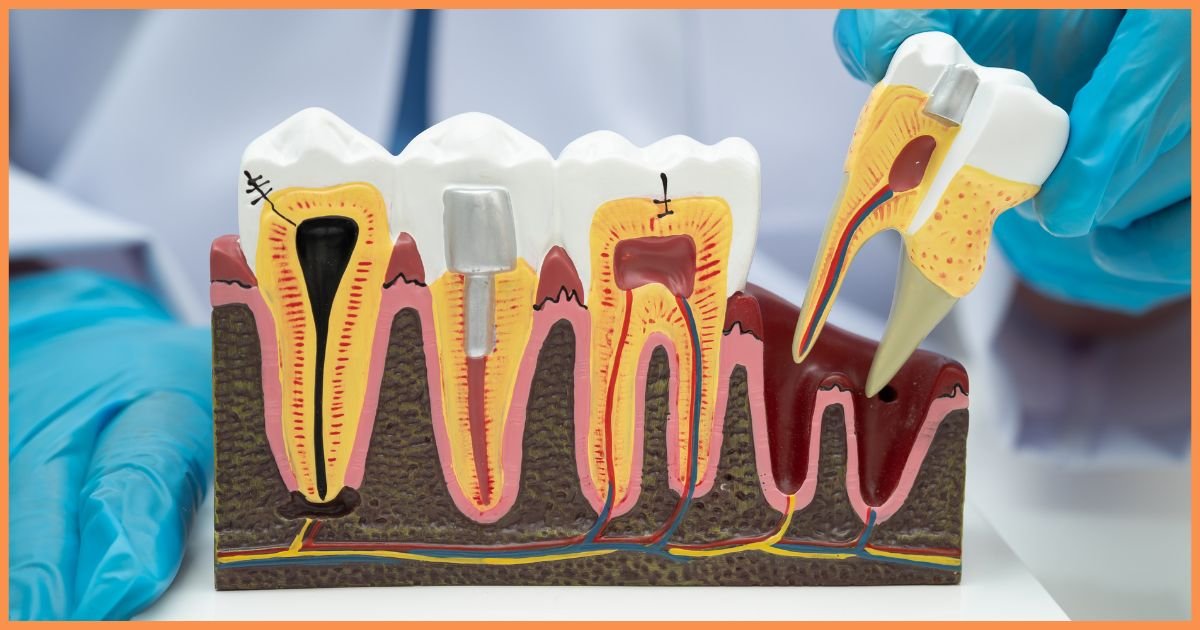
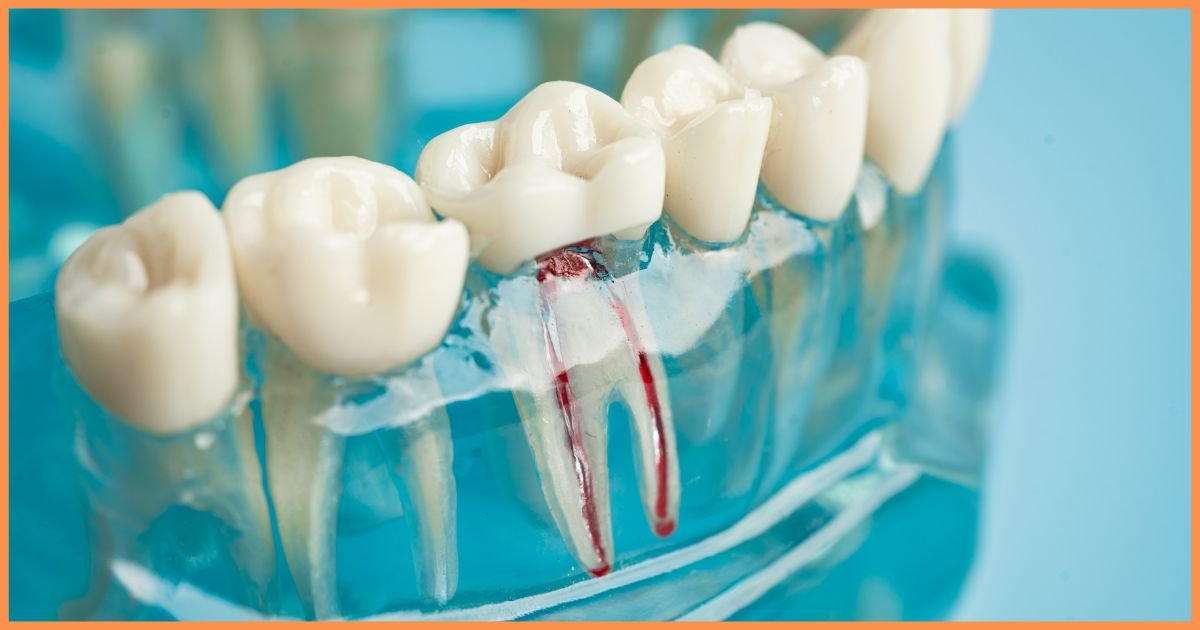
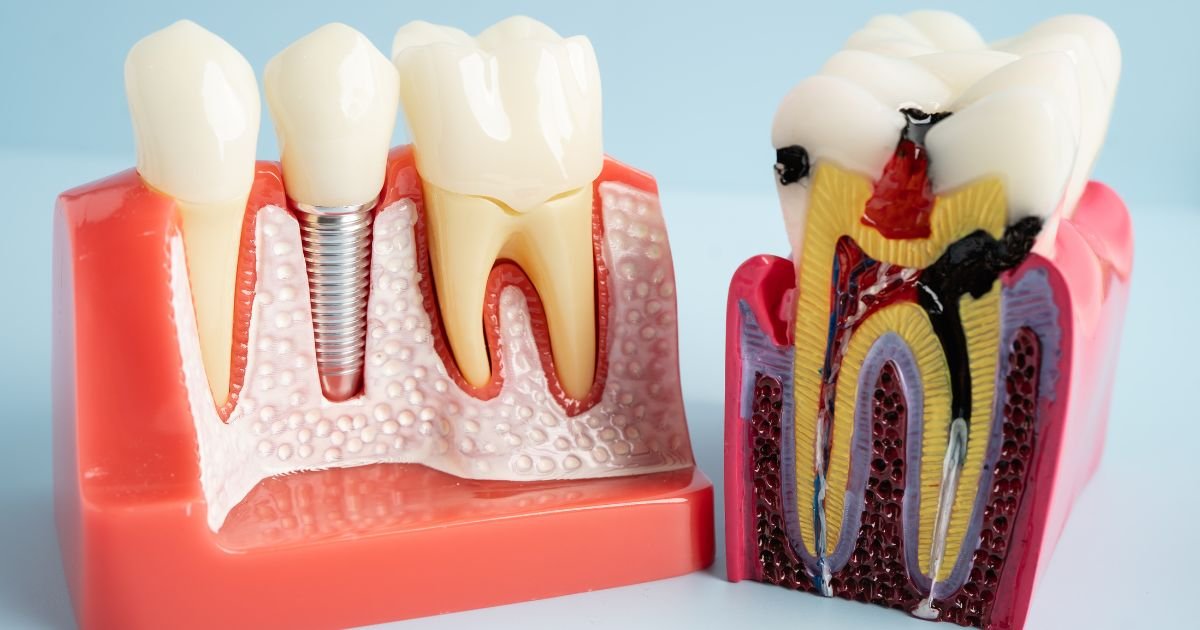
The pulp contains nerves and blood vessels. If bacteria reach this area because of deep decay, cracks, trauma, or other damage, the pulp can become inflamed or infected.
During root canal treatment, the dentist carefully:
- Removes the infected or damaged pulp.
- Cleans and disinfects the root canals.
- Shapes the canals so they can be properly sealed.
- Fills and seals the cleaned canals.
- Restores the tooth, often with a dental filling or crown depending on its condition.
The purpose is to eliminate the source of infection while preserving the natural tooth whenever possible.
When Do You Need a Root Canal?
Not every toothache requires a root canal. Your dentist needs to examine the tooth and determine the underlying cause.
Root canal treatment may be recommended when the dental pulp has become irreversibly inflamed or infected.
Common situations include:
- Deep tooth decay
- A cracked or fractured tooth
- Repeated dental procedures on the same tooth
- Dental trauma or injury
- Infection inside the tooth
- A dental abscess
- Significant inflammation of the pulp
Sometimes a tooth may have extensive internal damage without causing severe pain. This is why a dental examination is important if you notice persistent changes in a tooth.
What Are the Symptoms That May Indicate a Root Canal?
Symptoms can vary from one person to another. Possible warning signs include:
Persistent Toothache
Pain that continues or returns repeatedly may indicate a problem inside the tooth.
Sensitivity to Hot or Cold
A tooth that remains painful after exposure to hot or cold foods and drinks may require further evaluation.
Pain While Biting or Chewing
Discomfort when biting down can sometimes be associated with inflammation around the tooth.
Swollen or Tender Gums
Swelling near a particular tooth may indicate infection.
A Pimple or Bump on the Gum
A recurring bump on the gum near a tooth can sometimes be associated with a dental infection.
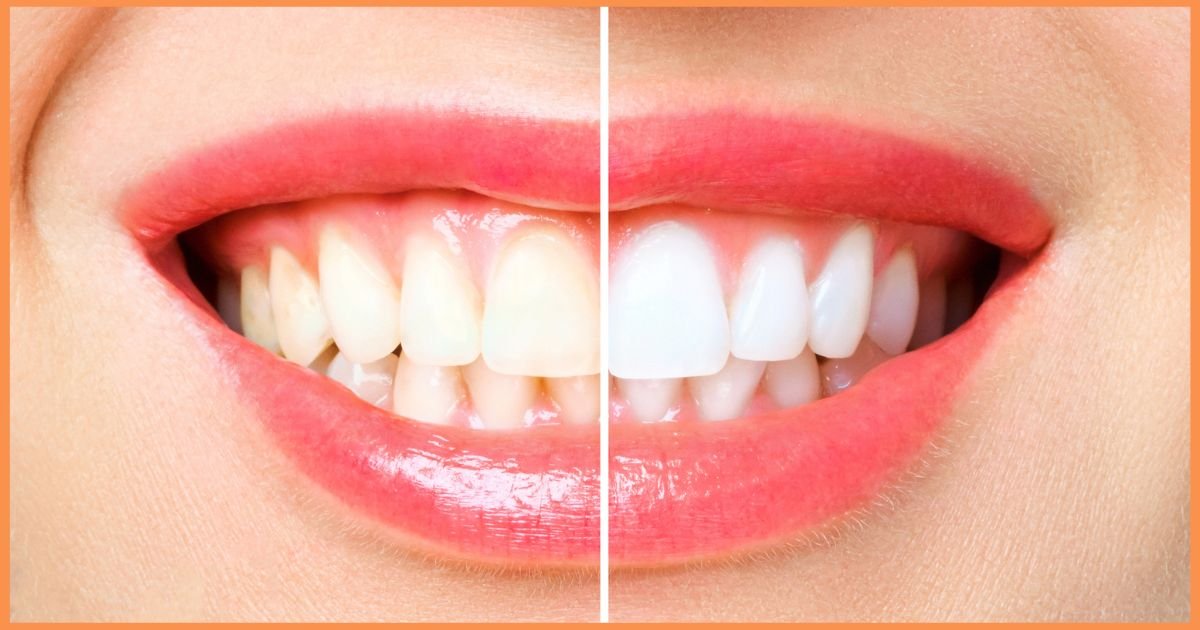
Tooth Discolouration
A tooth that becomes noticeably darker may have experienced damage to its internal tissues.
However, these symptoms can have several causes. Only a dental examination can determine whether root canal treatment is appropriate.
Does Root Canal Treatment Hurt?
The idea of a root canal often makes people nervous because of its reputation for being painful.
Modern root canal treatment is performed using local anaesthesia to numb the affected area. During the procedure, you should not experience the sharp pain associated with an untreated dental infection, although you may feel pressure or movement.
After treatment, some patients experience temporary sensitivity or mild soreness, particularly when biting. This generally settles as the surrounding tissues recover.
If you experience severe, worsening, or persistent pain after treatment, contact your dentist for an evaluation.
Root Canal Treatment Procedure: Step by Step
Understanding what happens during treatment can make the experience less stressful.
Step 1: Dental Examination
Your dentist examines the affected tooth and may recommend dental X-rays or other diagnostic methods to understand the condition of the tooth and surrounding structures.
Step 2: Local Anaesthesia
Local anaesthesia is used to numb the tooth and surrounding area so the procedure can be performed comfortably.
Step 3: Accessing the Tooth
A small opening is created in the tooth to provide access to the infected or damaged pulp.
Step 4: Removing the Infected Pulp
The damaged pulp tissue is carefully removed from the tooth.
Step 5: Cleaning and Shaping the Canals
The root canals are cleaned, disinfected, and shaped to prepare them for filling and sealing.
Step 6: Filling and Sealing
The cleaned canals are filled with a suitable material and sealed to reduce the risk of bacteria entering the space again.
Step 7: Restoring the Tooth
After the root canal, the tooth needs a durable restoration. Depending on the amount of remaining tooth structure and the tooth’s location, your dentist may recommend a filling or dental crown.
A crown can be particularly important for teeth that have lost substantial structure because it helps protect the restored tooth from further damage.
How Long Does Root Canal Treatment Take?
The duration depends on several factors, including:
- Which tooth is being treated
- Number and shape of root canals
- Severity of infection
- Complexity of the tooth anatomy
- Whether additional treatment is required
- Type of restoration needed
Some root canal treatments can be completed in a single appointment, while more complicated cases may require multiple visits.
Your dentist can provide a more accurate estimate after examining your tooth.
Benefits of Root Canal Treatment
The main objective of root canal treatment is to save a natural tooth that might otherwise require extraction.
Potential benefits include:
Preserves Your Natural Tooth
Whenever possible, keeping your natural tooth can help maintain normal chewing and tooth function.
Removes the Source of Infection
The infected pulp is removed and the canals are cleaned and sealed.
Relieves Tooth Pain
When the pain is caused by infected or inflamed pulp, treating the underlying problem can provide significant relief.
Helps Prevent Further Spread of Infection
Treating an infected tooth can help prevent the infection from progressing into surrounding tissues.
Restores Normal Function
Once the tooth has been properly restored, it can generally return to normal chewing function.
Root Canal Treatment vs. Tooth Extraction
When a tooth is severely infected or damaged, patients may wonder whether extraction is better than root canal treatment.
The answer depends on whether the tooth can be predictably restored.
When a natural tooth can be successfully treated and restored, preserving it is often preferred. Extraction removes the tooth but may create a need for replacement, such as a dental implant, bridge, or other prosthetic option.
Your dentist can discuss the advantages and limitations of each approach based on your individual condition.
What to Expect After Root Canal Treatment
Some tenderness or sensitivity may occur after treatment. Your dentist may provide specific instructions based on your procedure.
During the initial recovery period:
- Avoid chewing hard foods on the treated tooth until your dentist advises that it is safe.
- Follow any prescribed medication instructions carefully.
- Maintain regular brushing and flossing.
- Attend your follow-up appointment if one is recommended.
- Have the final restoration placed promptly if your dentist recommends one.
Do not ignore continuing pain, swelling, or other unusual symptoms.
Root Canal Aftercare: How to Protect Your Treated Tooth
Root canal treatment addresses the internal infection, but the treated tooth still requires good oral care.
Maintain Good Oral Hygiene
Brush twice daily using a fluoride toothpaste and clean between your teeth regularly.
Avoid Excessive Pressure on an Unrestored Tooth
A tooth that is awaiting its final restoration may be more vulnerable to fracture. Follow your dentist’s instructions about chewing.
Complete Your Recommended Restoration
If a crown or another restoration has been recommended, do not unnecessarily delay it. Proper restoration can help protect the tooth and restore its function.
Attend Regular Dental Check-Ups
Routine dental examinations can help your dentist monitor the treated tooth and identify other oral health problems early.
Can a Root Canal Tooth Last for Many Years?
A successfully treated and properly restored tooth can function for many years. Its long-term outlook depends on factors such as the quality of the root canal treatment, the condition of the remaining tooth structure, the final restoration, oral hygiene, and biting forces.
Good oral hygiene and regular dental care remain important even after the root canal has been completed.
Root Canal Treatment in Gurgaon
If you have persistent tooth pain, sensitivity, swelling, or discomfort while chewing, professional evaluation is important.
Patients looking for Root Canal Treatment in Gurgaon can consult Dr Khullar Dental Clinic for an assessment of the affected tooth.
Rather than treating tooth pain based only on symptoms, a dental examination can help identify whether the problem is related to decay, pulp infection, a crack, gum disease, or another dental condition.
Root Canal Treatment on Golf Course Road
For patients searching for Root Canal Treatment in Golf Course Road, timely dental evaluation can help address painful or infected teeth before the problem becomes more complicated.
At Dr Khullar Dental Clinic, treatment planning is based on the condition of the tooth and the patient’s individual dental needs. The dentist can explain whether root canal treatment, another procedure, or a different approach is appropriate.
Root Canal Treatment in Nirvana Country Gurgaon
Patients looking for Root Canal Treatment in Nirvana Country Gurgaon should consider getting persistent dental pain evaluated rather than relying on temporary relief.
A dental examination can help determine the cause of symptoms and whether the affected tooth can be preserved through root canal treatment and appropriate restoration.
How Can You Reduce the Risk of Needing a Root Canal?
Root canal treatment can often be avoided by maintaining good oral health, although not every dental problem is preventable.
You can reduce your risk by:
- Brushing twice a day.
- Cleaning between your teeth regularly.
- Limiting frequent consumption of sugary foods and drinks.
- Visiting your dentist for routine check-ups.
- Treating cavities early.
- Wearing appropriate protection during contact sports.
- Seeking dental care after an injury to a tooth.
- Avoiding using your teeth to open packages or bite hard objects.
Early treatment of dental decay is particularly important because untreated decay can progress deeper into the tooth.
Frequently Asked Questions About Root Canal Treatment
What is root canal treatment?
Root canal treatment is a procedure used to remove infected or damaged pulp from inside a tooth, clean and disinfect the root canals, and seal them so the natural tooth can be preserved.
Is root canal treatment painful?
The procedure is performed under local anaesthesia. You may experience pressure during treatment and temporary soreness afterward, but your dentist will take steps to keep you comfortable.
How do I know if I need a root canal?
Persistent toothache, prolonged sensitivity, pain when chewing, swelling, gum tenderness, or tooth discolouration may indicate a problem requiring evaluation. These symptoms do not automatically mean you need a root canal.
Can a root canal save my tooth?
In many cases, root canal treatment can allow an infected or severely inflamed tooth to be retained instead of extracted. Whether the tooth can be saved depends on its condition and restorability.
How long does a root canal take?
Treatment time varies according to the tooth, canal anatomy, infection, and complexity. Some cases can be completed in one appointment, while others may require multiple visits.
Do I need a crown after a root canal?
Not every treated tooth requires the same restoration. However, teeth that have lost significant structure may benefit from a crown or another protective restoration. Your dentist will recommend the appropriate option.
Can a root canal fail?
Although root canal treatment has a high success rate, problems can occasionally occur. Persistent infection, complex canal anatomy, leakage, fractures, or other factors may affect the outcome. Your dentist can evaluate a tooth if symptoms return.
What should I eat after a root canal?
Follow your dentist’s specific instructions. In general, avoid chewing hard foods on the treated tooth until the recommended restoration is completed or your dentist confirms that normal chewing is appropriate.
Take the Next Step for Your Tooth Health
Persistent tooth pain should not be ignored. The sooner the cause is identified, the sooner appropriate treatment can be planned.
If you are searching for Root Canal Treatment in Golf Course Road, Dr Khullar Dental Clinic can assess your dental condition and discuss suitable treatment options.
The goal of root canal treatment is not simply to stop pain-it is to treat the underlying problem, preserve the natural tooth when possible, and restore comfortable dental function.