
Root canal treatment is one of the most common and effective dental procedures used to save a damaged or infected tooth. Despite its reputation, modern root canal therapy is safe, virtually painless, and often the best way to preserve your natural smile. At Dr. Khullar Dental Clinic in Gurgaon, patients frequently ask one key question: how do I know if I actually need a root canal? Understanding the symptoms, causes, and treatment process can help you make informed decisions and seek care at the right time.
Understanding What a Root Canal Really Is
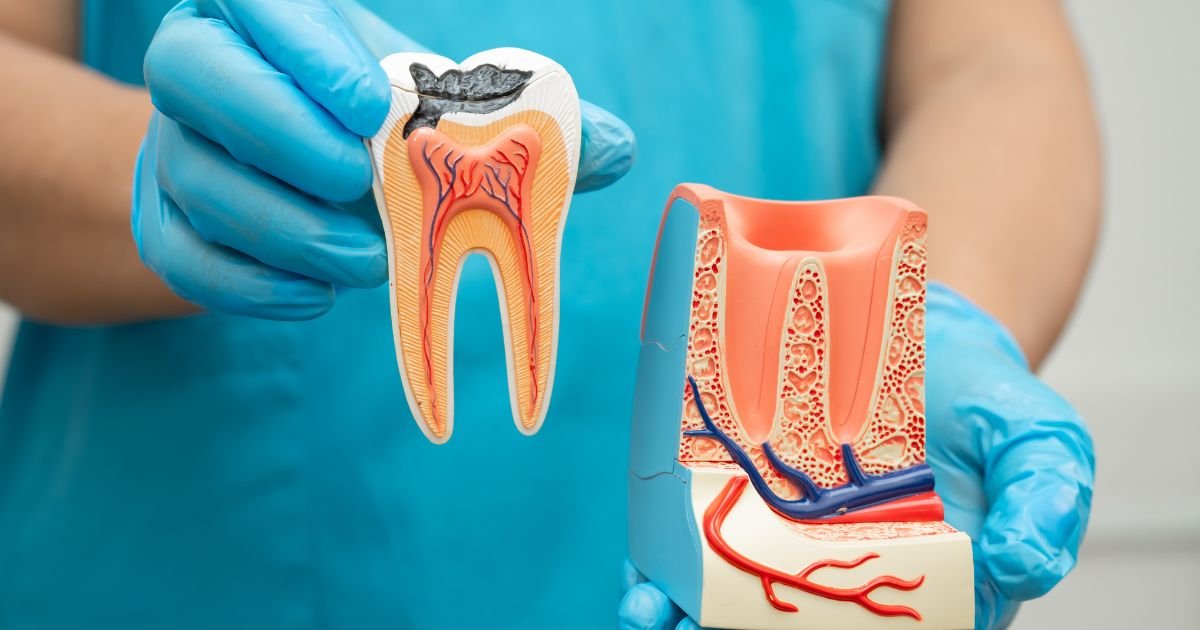
A root canal is a dental procedure designed to treat infection or inflammation inside the tooth. Each tooth contains a soft inner tissue known as pulp, which houses nerves and blood vessels. When this pulp becomes infected due to decay, trauma, or cracks, it can cause severe pain and, if left untreated, may lead to tooth loss or the spread of infection to surrounding tissues.
Root canal treatment involves removing the infected pulp, disinfecting the inside of the tooth, and sealing it to prevent future infection. The procedure preserves the outer structure of the tooth, allowing you to maintain natural chewing function and aesthetics.
Symptoms That Indicate You May Need a Root Canal
One of the earliest and most noticeable signs is persistent tooth pain. This pain may be sharp, throbbing, or deep and can worsen while chewing or applying pressure. Some patients also experience sensitivity to hot or cold foods and drinks that lingers even after the stimulus is removed.
Swelling or tenderness in the gums near the affected tooth is another common symptom. In some cases, a small pimple-like bump may appear on the gum, indicating an abscess. Discoloration of the tooth, especially a dark or greyish appearance, can also signal that the inner pulp has been damaged.
It is important to note that not all infected teeth cause constant pain. Sometimes the discomfort may come and go, which can mislead patients into delaying treatment until the condition worsens.
Common Causes of Tooth Pulp Infection
Deep tooth decay is the leading cause of root canal infections. When cavities are left untreated, bacteria gradually penetrate deeper layers of the tooth until they reach the pulp. Once bacteria invade this space, the infection can spread quickly.
Dental trauma is another major cause. A fall, sports injury, or even biting down on something hard can crack or fracture a tooth, exposing the pulp to bacteria. In some cases, repeated dental procedures on the same tooth can weaken its structure and increase the risk of infection.
Poor oral hygiene, untreated gum disease, and grinding or clenching teeth over long periods can also contribute to pulp damage and eventual root canal necessity.
The Root Canal Treatment Procedure: Step by Step
Root canal treatment typically requires one or two appointments, depending on the severity of the infection. During the procedure, the dentist first numbs the area using local anaesthesia to ensure the patient remains comfortable. A small opening is then made in the tooth to access the infected pulp.
The infected tissue is carefully removed, and the inner canals are cleaned and disinfected using specialised dental instruments. Once the canals are thoroughly cleaned, they are filled with a biocompatible material and sealed. In most cases, a dental crown is placed afterward to restore the tooth’s strength and appearance.
Modern techniques and advanced equipment used at leading clinics in Gurgaon have made the process highly precise, efficient, and significantly more comfortable than patients expect.
Why Timely Root Canal Treatment Is Important
Delaying root canal treatment can allow the infection to spread beyond the tooth into the surrounding bone and tissues. This can result in severe pain, facial swelling, and even systemic health complications in extreme cases. Early intervention not only saves the tooth but also prevents the need for more complex and costly procedures such as tooth extraction and implants.
Patients who undergo timely root canal therapy often experience immediate relief from pain and can resume normal eating and speaking functions within a short period.
Recovery and Aftercare Following a Root Canal
After the procedure, it is normal to experience mild discomfort or sensitivity for a few days, which can usually be managed with prescribed or over-the-counter medication. Maintaining good oral hygiene, avoiding chewing on the treated tooth until the final crown is placed, and attending follow-up appointments are essential for long-term success.
With proper care, a tooth that has undergone root canal treatment can last as long as natural teeth, allowing patients to maintain a healthy and confident smile for years to come.
Choosing the Right Dental Clinic for Root Canal Treatment in Gurgaon
Selecting an experienced and well-equipped dental clinic plays a crucial role in the success of root canal therapy. Patients should look for a clinic that offers modern diagnostic tools, follows strict sterilisation protocols, and provides personalised treatment plans.
Dr. Khullar Dental Clinic in Gurgaon focuses on patient comfort, precision-based dentistry, and transparent communication, ensuring that each patient fully understands their treatment options before proceeding. This approach helps reduce anxiety and builds trust, especially for those who may feel apprehensive about dental procedures.
Final Thoughts
Root canal treatment is often misunderstood, yet it remains one of the most effective ways to save a natural tooth and eliminate dental pain. Recognising the early symptoms, understanding the causes, and seeking prompt professional care can make the difference between preserving your tooth and losing it.
If you experience persistent tooth pain, swelling, or sensitivity, it is important to consult a qualified dentist as soon as possible. Early diagnosis and timely treatment can protect not only your oral health but also your overall well-being.