Getting dental implants can be a big decision, especially if you are worried about pain during or after the procedure. Many people who have missing teeth consider dental implants but hesitate because they are unsure how uncomfortable the treatment might be.
One of the most common questions patients ask is, “What is the most painful part of getting dental implants?”
The good news is that dental implant surgery is generally less painful than many people expect. The procedure is performed under local anaesthesia, which helps numb the treatment area. You may feel some pressure or vibration while the dentist works, but you should not feel sharp pain during the surgery.
Most discomfort tends to occur after the anaesthesia wears off, particularly during the first few days of healing. Understanding what to expect can help you feel more confident and prepared.
At Dr Khullar Dental Clinic, patients can discuss their concerns, understand the treatment process and receive guidance based on their individual dental condition.
What Is the Most Painful Part of Getting Dental Implants?
For most patients, the most uncomfortable part of getting dental implants is the initial recovery period rather than the actual implant placement.
Once the local anaesthesia wears off, you may experience:
- Mild to moderate soreness around the implant site.
- Swelling in the gums or cheeks.
- Tenderness while chewing.
- Minor bleeding during the first 24 hours.
- Jaw stiffness or discomfort when opening your mouth.
These symptoms are generally temporary and tend to improve over the next few days.
The level of discomfort varies from person to person. Factors such as bone density, the number of implants, gum health and whether additional procedures are needed can influence recovery.
Which Part of Dental Implant Surgery Can Cause the Most Discomfort?
Although every patient has a different experience, certain stages of implant treatment may cause temporary discomfort.
1. The Initial Anaesthesia Injection
Before the procedure begins, the dentist administers local anaesthesia to numb the treatment area. You may feel a brief pinch or slight burning sensation when the injection is given.
Once the anaesthesia takes effect, the area becomes numb, helping you remain comfortable during implant placement.
2. Gum Incision and Implant Placement
During the procedure, the dentist makes a small incision in the gum to access the jawbone. A carefully prepared space is then created to position the implant.
You may notice pressure, movement or vibrations, but you should not experience sharp pain. If you do feel pain, inform your dentist immediately so that additional anaesthesia can be considered.
3. The First Few Days After Surgery
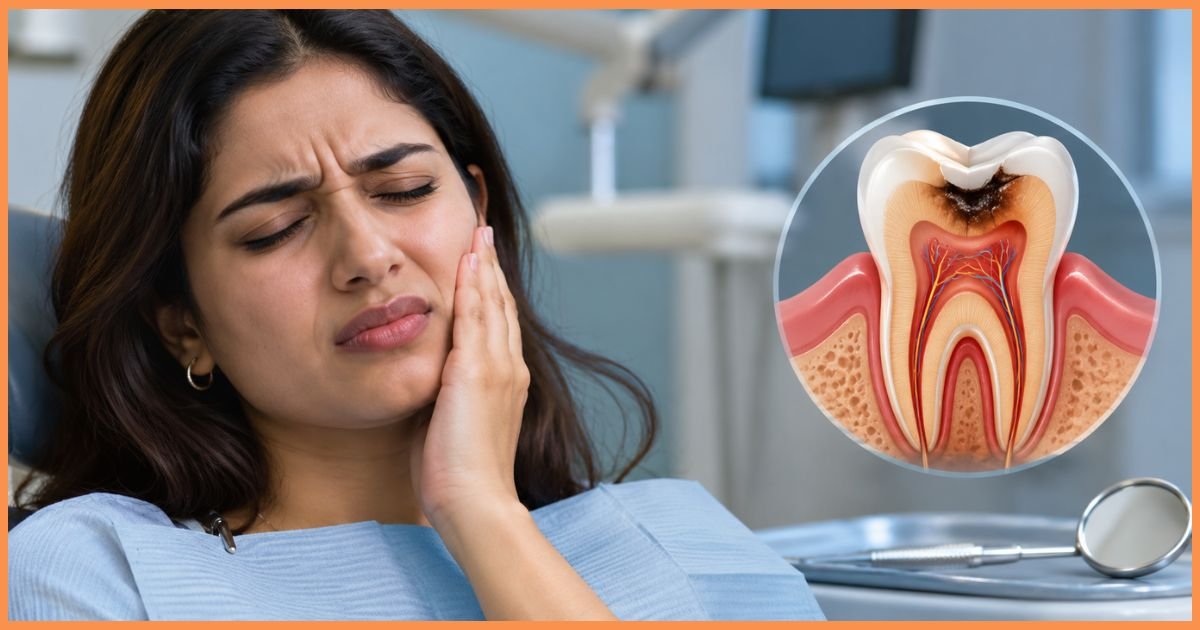
This is often the stage when patients notice the most discomfort. As the anaesthesia wears off, the treated area may become sore or tender.
Some patients also experience swelling, mild bruising and difficulty chewing on the treated side. These symptoms usually improve gradually.
4. Additional Procedures Such as Bone Grafting
Sometimes, patients do not have enough jawbone to support an implant securely. In such cases, bone grafting may be recommended before or during implant placement.
Because this involves additional surgical work, recovery may be more uncomfortable than a straightforward implant procedure.
However, the amount of discomfort depends on the extent of grafting and the individual’s healing response.
Does Getting Dental Implants Hurt During the Procedure?
Generally, no. Dental implant placement is performed using local anaesthesia, which numbs the area being treated.
During the procedure, you may experience:
- A feeling of pressure around the implant site.
- Mild vibrations from dental instruments.
- Some movement or pulling sensations.
- Temporary jaw fatigue from keeping your mouth open.
These sensations are different from pain. If you feel uncomfortable at any point, communicate with your dentist rather than trying to tolerate it silently.
For patients who feel particularly anxious about dental treatment, sedation may be an option depending on their medical history, clinical needs and the facilities available.
How Long Does Pain Last After Dental Implant Surgery?
Recovery varies depending on the complexity of the procedure, the number of implants placed and individual healing capacity.
Here is a general idea of what you may experience:
| Recovery period | What you may experience |
| First 24 hours | Numbness initially, followed by soreness and mild bleeding |
| Days 2 to 3 | Swelling, tenderness and discomfort may be more noticeable |
| Days 4 to 5 | Pain and swelling should generally begin improving |
| Days 6 to 7 | Most routine postoperative discomfort should have reduced |
| Following weeks | Gum tissues continue healing while the implant integrates with the bone |
According to patient guidance from Guy’s and St Thomas’ NHS Foundation Trust, soreness, swelling, bruising and minor bleeding can occur after implant placement, with discomfort generally lasting up to a week. Individual recovery may differ.
Important: If pain becomes severe, increases instead of improving, or returns after getting better, contact your dentist for an examination.
What Factors Affect Pain During Dental Implant Treatment?
Not everyone experiences dental implant surgery in the same way. Several factors can influence the amount of discomfort.
1. Number of Implants
Having one implant placed may involve less surgical work than replacing several missing teeth. Multiple implants can result in greater postoperative soreness and swelling.
2. Jawbone Condition
Patients with adequate bone support may be suitable for straightforward implant placement. Those with insufficient bone may require additional procedures, such as bone grafting.
3. Gum Health
Healthy gums support better healing. Existing gum infections or periodontal disease should be evaluated and managed before implant surgery whenever clinically necessary.
4. Individual Pain Sensitivity
Some people naturally have a lower pain threshold, while others tolerate dental procedures comfortably. Anxiety can also make sensations feel more intense.
5. Dentist’s Treatment Planning
A proper clinical examination, appropriate surgical planning, adequate anaesthesia and careful surgical technique all contribute to patient comfort.
This is why choosing an experienced dental professional and discussing your concerns beforehand are important steps.
How Can You Reduce Pain After Dental Implant Surgery?
Following your dentist’s postoperative instructions can make recovery more manageable.
Here are some practical ways to support healing.
1. Follow Your Prescribed Medication Schedule
Your dentist may recommend pain-relieving medication based on your health history and the complexity of the procedure.
Take medicines only as prescribed. Avoid increasing the dosage or taking additional medication without professional advice.
2. Apply a Cold Compress
A cold pack wrapped in a clean cloth may help reduce swelling around the treated area.
Apply it intermittently as advised by your dentist. Never place ice directly against your skin.
3. Eat Soft Foods
For the first few days, choose foods that require minimal chewing.
Suitable options may include:
- Soft khichdi.
- Mashed potatoes.
- Yoghurt.
- Smooth soups that are not too hot.
- Soft-cooked vegetables.
- Scrambled eggs.
Avoid hard, crunchy, sticky and very hot foods until your dentist says they are safe.
4. Avoid Smoking and Tobacco
Smoking can interfere with healing and increase the risk of implant complications. Avoid tobacco during recovery and discuss a longer-term cessation plan with your dentist.
5. Maintain Proper Oral Hygiene
Keeping your mouth clean is important for preventing infection. Brush your other teeth carefully and follow your dentist’s instructions for cleaning around the surgical site.
Do not disturb the wound or stitches.
6. Get Enough Rest
Avoid strenuous exercise and heavy physical activity immediately after surgery. Give your body time to recover and gradually return to your normal routine as advised.
When Should You Contact Your Dentist After Implant Surgery?
Mild discomfort is expected after surgery, but certain symptoms should not be ignored.
Contact your dentist if you experience:
- Severe or increasing pain.
- Swelling that continues to worsen.
- Persistent or excessive bleeding.
- Pus or an unpleasant discharge around the implant.
- Fever or feeling generally unwell.
- Difficulty swallowing or breathing.
Difficulty breathing or swallowing requires immediate emergency medical attention.
Early assessment can help identify potential complications and prevent further problems.
Is Dental Implant Surgery More Painful Than Tooth Extraction?
Many patients assume that implant surgery must be more painful than tooth extraction because it involves placing a titanium implant into the jawbone.
However, pain does not depend only on the type of procedure. It also depends on surgical complexity, the condition of the tissues and individual healing.
A straightforward dental implant procedure may cause relatively mild postoperative discomfort. A complicated extraction involving extensive surgical work can sometimes cause more soreness.
Both procedures are generally performed with appropriate anaesthesia, and postoperative pain can usually be managed with professional guidance.
How Long Does It Take for Dental Implants to Heal Completely?
It is important to understand that the healing process involves more than just the gums becoming comfortable.
There are two main stages:
- Soft Tissue Healing
The gums around the implant begin healing after surgery. Initial soreness and swelling usually settle over several days, although complete gum healing takes longer.
- Osseointegration
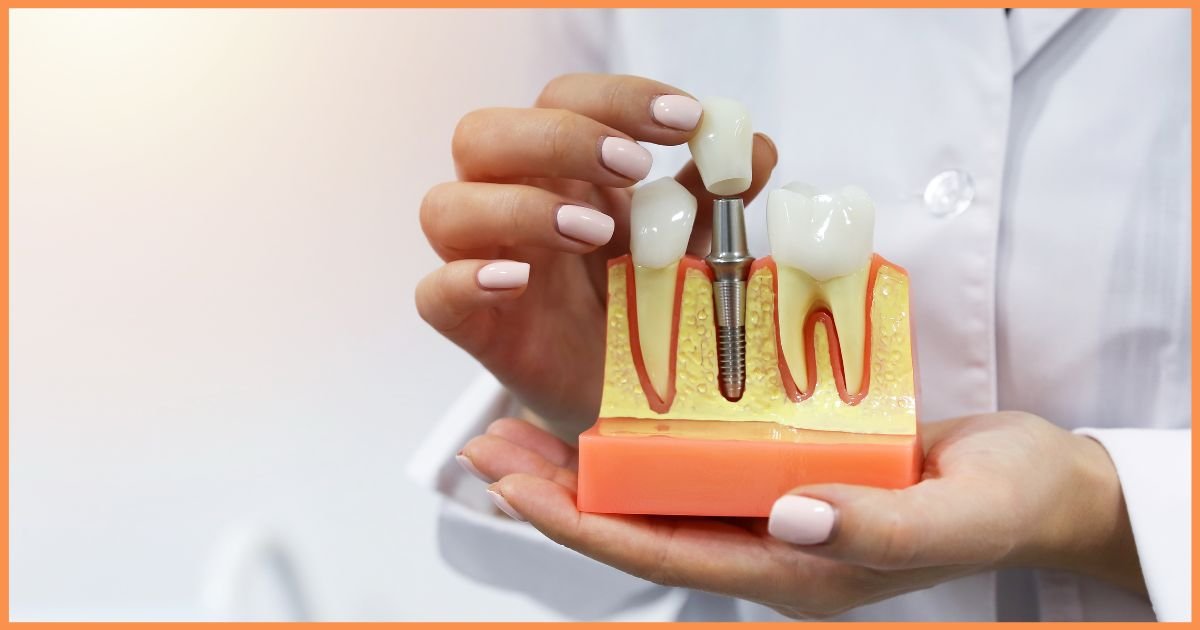
This is the process through which the jawbone gradually bonds with the dental implant. It provides the stability needed to support the replacement tooth.
Osseointegration commonly takes around three to six months, although the exact duration varies according to bone quality, implant location and individual healing.
Your dentist will assess the implant’s stability before proceeding with the final crown when appropriate.
Who Is a Suitable Candidate for Dental Implants?
Dental implants can be an effective option for people who have lost one or more teeth. However, not everyone is automatically suitable.
A dentist may evaluate:
- Overall oral health.
- Jawbone volume and density.
- Gum condition.
- Medical history.
- Smoking and tobacco habits.
- Ability to maintain good oral hygiene.
- Expectations and treatment preferences.
Conditions such as uncontrolled diabetes, active gum disease and certain medical treatments may require additional assessment or management before implant surgery.
A personalised treatment plan is essential because the safest approach depends on the patient’s individual circumstances.
Why Choose Dr Khullar Dental Clinic for Dental Implant Treatment?
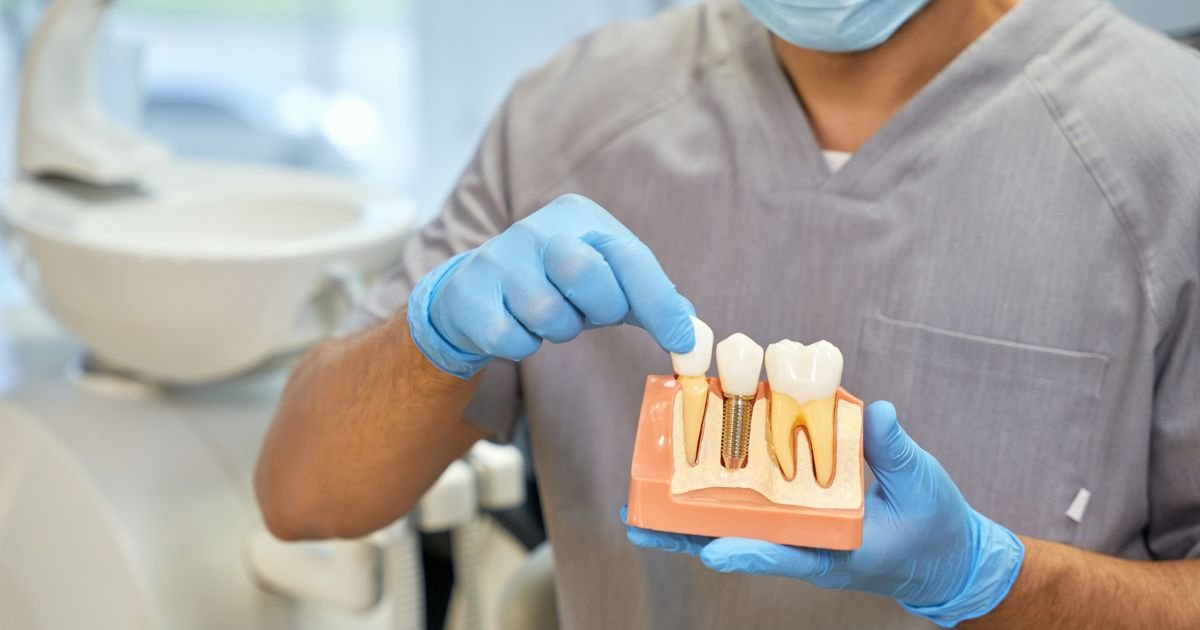
Replacing missing teeth is not just about restoring your smile. It is also about improving chewing ability, maintaining oral function and supporting long-term dental health.
At Dr Khullar Dental Clinic, patients can discuss their missing teeth concerns, understand available treatment options and learn what to expect during implant placement and recovery.
When considering dental implants, look for a clinic that prioritises:
- Detailed dental examination and treatment planning.
- Appropriate diagnostic imaging.
- Clear explanations of benefits, risks and alternatives.
- Proper sterilisation and infection-control practices.
- Individualised postoperative instructions.
- Regular follow-up appointments.
If you are considering Dental implants in Gurgaon, an initial consultation can help determine whether implant treatment is appropriate for your dental condition.
Frequently Asked Questions About Dental Implant Pain
1. What is the most painful day after dental implant surgery?
For many patients, the first two to three days can be the most uncomfortable. Swelling and tenderness may be more noticeable during this period before gradually improving.
2. Are dental implants more painful than root canal treatment?
Not necessarily. Dental implant surgery and root canal treatment involve different procedures. Implant surgery may cause temporary soreness after the anaesthesia wears off, while root canal treatment may cause tenderness around the treated tooth. The discomfort depends on the individual case.
3. Can I go to work the day after getting dental implants?
Many patients can return to light daily activities within a day or two. However, extensive implant surgery or bone grafting may require additional recovery time. Follow your dentist’s recommendations.
4. Can I sleep normally after dental implant surgery?
Yes, most patients can sleep normally. Your dentist may recommend keeping your head slightly elevated during the first night to help manage swelling.
5. Is dental implant pain unbearable?
No. Most patients experience manageable discomfort rather than unbearable pain. Local anaesthesia helps prevent pain during surgery, while prescribed medication and proper aftercare help manage postoperative soreness.
6. Does the implant hurt while healing inside the jawbone?
The process of osseointegration generally does not cause continuous pain. Some temporary tenderness may occur after surgery, but persistent or worsening discomfort should be evaluated by your dentist.
7. Can dental implants fail because of pain?
Pain alone does not mean an implant has failed. However, persistent pain, swelling, mobility or signs of infection need professional assessment.
Final Thoughts
The most uncomfortable part of getting dental implants is usually the initial healing period, especially during the first few days after surgery. The actual implant placement is generally comfortable because local anaesthesia is used to numb the treatment area.
With proper planning, suitable pain management and good postoperative care, most patients can recover without significant difficulty.
If missing teeth are affecting your confidence or ability to chew comfortably, speak with the dental team at Dr Khullar Dental Clinic to understand whether implant treatment is suitable for you.
Choosing the right treatment begins with an informed consultation, a proper examination and a personalised approach to your dental health.