A damaged, weakened, heavily filled, or discoloured tooth may need more than a simple filling to restore its strength and appearance. Dental crowns are one of the most commonly used restorative treatments for protecting compromised teeth and rebuilding their shape, function, and aesthetics.
At Dr Khullar Dental Clinic, dental crowns are planned according to the condition of the tooth, your bite, aesthetic expectations, and long-term oral health. Whether you need a crown after root canal treatment, to restore a fractured tooth, or to improve the appearance of a damaged tooth, understanding the procedure can help you make an informed decision.
If you are considering Dental Crowns in Gurgaon, this guide explains how crown treatment works, the different types available, their benefits, expected cost, and factors that can influence your treatment plan.
What Is a Dental Crown?
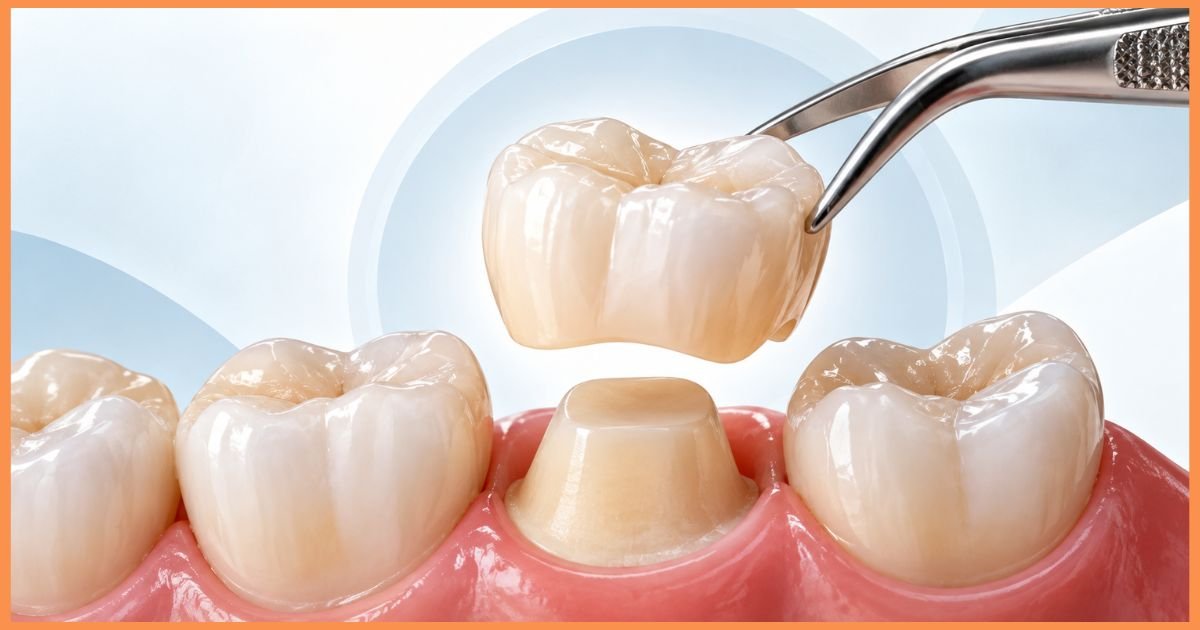
A dental crown is a custom-made restoration that covers most or all of the visible portion of a damaged tooth. It is designed to restore the tooth’s shape, strength, function, and appearance.
Unlike a filling, which generally restores a portion of the tooth, a crown provides coverage around the remaining tooth structure. This makes it particularly useful when a tooth has lost significant structural integrity.
A dental crown may be recommended for:
- A severely damaged or fractured tooth
- A tooth with extensive decay
- A heavily filled tooth with weakened walls
- A tooth after root canal treatment
- A worn-down tooth
- A misshapen or severely discoloured tooth
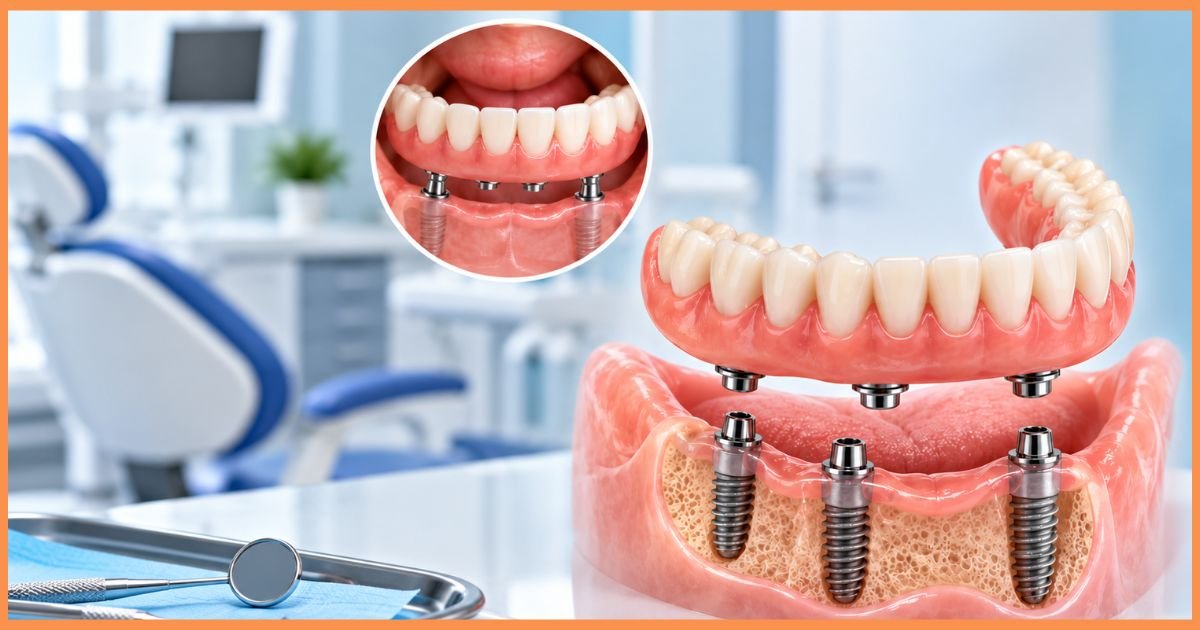
- Supporting certain dental bridges
- Restoring a tooth following certain dental procedures
The decision to place a crown depends on the amount of healthy tooth structure remaining and the overall condition of the tooth.
Why Might You Need a Dental Crown?
Your dentist may recommend a crown when a tooth cannot be predictably restored with a conventional filling or other conservative treatment.
1. After Root Canal Treatment
Root canal treatment removes infected or inflamed tissue from inside the tooth. Although the tooth can remain functional after treatment, substantial loss of tooth structure can make it more vulnerable to fracture.
For many posterior teeth, a crown may be recommended after root canal treatment to provide additional protection.
2. Extensive Tooth Decay
When decay has destroyed a large portion of the tooth, placing a large filling may not provide adequate long-term structural support. A crown can cover and reinforce the remaining tooth structure when clinically appropriate.
3. Cracked or Fractured Teeth
A crown can help protect certain damaged teeth by covering the remaining tooth structure and reducing the risk of further fracture. However, not every cracked tooth can be saved with a crown. The location and depth of the crack must first be assessed.
4. Large Existing Fillings
Teeth with very large fillings may have thin remaining walls and can become more susceptible to fracture. A crown may be considered when the remaining tooth structure needs additional protection.
5. Cosmetic Concerns
Crowns can sometimes be used to improve the appearance of teeth that are severely discoloured, misshapen, or structurally compromised.
However, crowns are not automatically the first choice for every cosmetic concern. Depending on the situation, options such as professional whitening, bonding, or veneers may be more conservative.
How Does Dental Crown Treatment Work?
The exact treatment sequence varies depending on the tooth and the type of crown selected. Generally, the process involves several stages.
Step 1: Dental Examination
The dentist first evaluates the tooth and surrounding tissues. This may include:
- Clinical examination
- Bite assessment
- Dental X-rays when required
- Evaluation of existing fillings
- Assessment of gum health
- Checking the amount of remaining tooth structure
If the tooth has an infection or requires root canal treatment, that problem generally needs to be addressed before the final crown is placed.
Step 2: Tooth Preparation
The tooth is carefully reshaped to create sufficient space for the crown.
The amount of tooth preparation depends on the material being used and the clinical requirements of the restoration. Modern dentistry aims to preserve as much healthy tooth structure as reasonably possible.
Local anaesthesia may be used to keep the procedure comfortable.
Step 3: Digital Scan or Impression
After preparation, the dentist records the shape of the prepared tooth and surrounding teeth.
Depending on the clinic and case, this can involve:
- Digital intraoral scanning
- Conventional dental impressions
- Bite registration
The information is used to design a crown that fits the tooth and works harmoniously with your bite.
Step 4: Temporary Crown
In some cases, a temporary crown is placed while the permanent restoration is being fabricated.
The temporary crown helps protect the prepared tooth and allows you to function while waiting for the final restoration.
Step 5: Crown Fabrication
The permanent crown is fabricated according to the dentist’s prescription and the selected material.
Factors such as tooth location, bite forces, appearance, available space, and aesthetic requirements influence the choice of material.
Step 6: Trial and Final Placement
When the permanent crown is ready, the dentist checks:
- Fit
- Shape
- Colour
- Contact with neighbouring teeth
- Bite
- Overall appearance
If everything is satisfactory, the crown is permanently cemented or bonded according to the restoration and clinical requirements.
Types of Dental Crowns
Dental crowns are available in several materials. There is no single crown material that is ideal for every patient.
1. Zirconia Crowns
Zirconia is a ceramic material known for its strength and durability.
It is commonly considered for both front and back teeth, depending on the specific type of zirconia and clinical situation.
Advantages
- High strength
- Good durability
- Tooth-coloured appearance
- Suitable for many posterior restorations
- Metal-free option
The aesthetic characteristics can vary between different zirconia formulations and laboratory techniques.
2. Porcelain-Fused-to-Metal Crowns
These crowns combine a metal substructure with a tooth-coloured porcelain layer.
They have been used for many years and can provide good strength along with an aesthetic appearance.
Advantages
- Established restorative option
- Good strength
- Tooth-coloured external surface
- Suitable for various clinical situations
One consideration is that the underlying metal can sometimes become visible near the gum line, particularly if gum recession occurs.
3. All-Ceramic Crowns
All-ceramic crowns are made without a metal framework and can provide highly natural-looking results.
They are particularly useful when aesthetics are a major consideration, although the ideal ceramic depends on the location and functional demands of the tooth.
Advantages
- Natural appearance
- No metal framework
- Good translucency with suitable ceramic systems
- Useful for aesthetic restorations
4. Metal Crowns
Metal crowns are extremely durable and can withstand substantial chewing forces.
However, their metallic appearance makes them less popular when visible tooth aesthetics are important.
They may still have specific clinical applications, particularly where strength and limited space are important considerations.
What Are the Benefits of Dental Crowns?
A properly planned and maintained dental crown can offer several benefits.
Restores Tooth Function
A crown can restore the shape and chewing function of a damaged tooth.
Protects Weak Tooth Structure
By covering the remaining tooth structure, a crown can provide additional protection against functional forces.
Improves Appearance
Modern ceramic and zirconia crowns can closely resemble natural teeth in colour and shape.
Restores Tooth Shape
A crown can rebuild a tooth that has been significantly worn down, fractured, or damaged.
Can Support a Dental Bridge
Crowns can form part of certain fixed dental bridge designs, where appropriate.
Long-Term Restoration
With appropriate treatment planning, good oral hygiene, regular dental examinations, and suitable bite management, dental crowns can provide long-term service.
Dental Crown vs Filling: What’s the Difference?
The choice between a filling and crown depends largely on how much healthy tooth structure remains.
| Feature | Dental Filling | Dental Crown |
| Coverage | Restores part of the tooth | Covers most or all of the visible tooth |
| Typical use | Small to moderate cavities | Extensive damage or weakened teeth |
| Tooth preparation | Usually more conservative | Requires preparation for crown placement |
| Structural protection | Limited | Greater coverage and protection |
| Aesthetic options | Tooth-coloured materials available | Ceramic, zirconia and other options available |
A dentist should determine the appropriate restoration after examining the tooth rather than choosing based solely on cost or appearance.
How Much Do Dental Crowns Cost in Gurgaon?
The cost of dental crowns in Gurgaon can vary considerably because the final treatment plan depends on several factors.
These may include:
- Type of crown material
- Tooth location
- Amount of remaining tooth structure
- Whether root canal treatment is required
- Complexity of tooth preparation
- Laboratory or digital fabrication process
- Bite and functional requirements
- Additional procedures required before crown placement
- Dentist’s expertise and treatment planning
- Number of crowns required
Because of these variables, quoting one universal price for every dental crown would not be clinically accurate.
At Dr Khullar Dental Clinic, the recommended crown type and treatment plan should be determined after examining the tooth and understanding the patient’s functional and aesthetic requirements.
If you are researching Dental Crowns in Gurgaon, it is useful to ask not only about the price but also about the crown material, laboratory process, warranty or follow-up policy where applicable, and what is included in the quoted treatment.
How Long Do Dental Crowns Last?
There is no fixed lifespan that applies to every crown.
The longevity of a dental crown depends on:
- Oral hygiene
- Bite forces
- Tooth grinding or clenching
- Quality of the underlying tooth
- Gum health
- Crown material
- Accuracy of fit
- Diet and lifestyle
- Regular dental care
Good oral hygiene and regular dental check-ups can help identify problems around a crown before they become more serious.
A crown itself cannot develop decay, but the natural tooth underneath it can still develop decay if plaque accumulates around the crown margin.
How Should You Care for a Dental Crown?
A crowned tooth still requires regular care.
Brush Twice Daily
Use a soft-bristled toothbrush and fluoride toothpaste unless your dentist recommends otherwise.
Clean Between Your Teeth
Floss or use an appropriate interdental cleaning method to remove plaque around the crown and neighbouring teeth.
Avoid Using Teeth as Tools
Do not use crowned teeth to open packages, bite hard objects, or perform similar tasks.
Manage Teeth Grinding
If you grind or clench your teeth, ask your dentist whether a night guard or other protective strategy is appropriate.
Attend Regular Dental Check-Ups
Regular examinations allow your dentist to assess the crown, surrounding gums, bite, and underlying tooth.
Are Dental Crowns Painful?
The crown preparation procedure is generally performed under local anaesthesia, so significant discomfort during the procedure is usually avoided.
Some patients may experience temporary sensitivity or gum soreness after treatment. This commonly settles as the tissues adapt.
Persistent pain, significant sensitivity, swelling, or discomfort when biting should not be ignored. These symptoms may indicate an issue that requires professional assessment.
How Long Does Dental Crown Treatment Take?
The treatment timeline depends on the complexity of the case, the type of crown, laboratory workflow, and whether additional treatment is required.
A straightforward crown case may involve:
- Consultation and examination
- Tooth preparation
- Digital scan or impression
- Temporary crown, where required
- Crown fabrication
- Final fitting and cementation
If the tooth requires root canal treatment, gum treatment, or other procedures, the overall treatment timeline can be longer.
Who Is a Good Candidate for a Dental Crown?
A crown may be appropriate for someone who has:
- A severely damaged tooth
- A large filling with inadequate remaining tooth structure
- A fractured tooth that is structurally restorable
- A tooth requiring substantial restoration after root canal treatment
- Significant tooth wear
- A severely discoloured or misshapen tooth where a crown is clinically appropriate
However, a crown may not be suitable if the tooth has insufficient healthy structure, an unfavourable fracture, uncontrolled gum disease, or another condition that makes the tooth unrestorable.
A thorough dental examination is therefore essential before deciding on treatment.
Frequently Asked Questions About Dental Crowns
Can a crown be placed on a root canal-treated tooth?
Yes. Crowns are commonly used to restore and protect certain root canal-treated teeth, particularly when significant tooth structure has been lost. The need depends on the tooth and its remaining structure.
Are zirconia crowns better than metal crowns?
Not necessarily for every situation. Zirconia offers strength and tooth-coloured aesthetics, while metal crowns can provide excellent durability in specific circumstances. The best material depends on the tooth, bite, space, aesthetic requirements, and clinical condition.
Can a dental crown look like a natural tooth?
Yes. Modern ceramic and zirconia restorations can be designed to closely replicate the colour, shape, and proportions of natural teeth.
Can I eat normally after getting a crown?
Once the final crown has been properly placed and your dentist has confirmed that the bite is satisfactory, you can generally return to normal eating. Follow any specific instructions provided by your dentist.
Does a dental crown require special maintenance?
A crown does not usually require a completely different oral hygiene routine. However, careful brushing, interdental cleaning, regular dental examinations, and good gum health are essential for protecting the tooth and surrounding tissues.
Is a crown better than a filling?
Neither is universally better. A filling is generally preferred when enough healthy tooth structure remains for a predictable restoration. A crown may be recommended when the tooth requires greater coverage and structural protection.
Choosing the Right Dental Crown in Gurgaon
Choosing a crown should involve more than selecting the cheapest available option. The restoration should be planned according to the condition of the tooth, your bite, aesthetic expectations, and long-term oral health.
When considering Dental Crowns in Gurgaon, discuss the following with your dentist:
- Why do I need a crown?
- How much healthy tooth structure remains?
- Do I need root canal treatment first?
- Which crown material is suitable for my tooth?
- What are the advantages and limitations of each option?
- How will the crown be matched to my natural teeth?
- What will the complete treatment cost include?
- How should I maintain the crown?
These questions can help you understand the treatment rather than making a decision based only on the crown price.
Dental Crown Treatment at Dr Khullar Dental Clinic
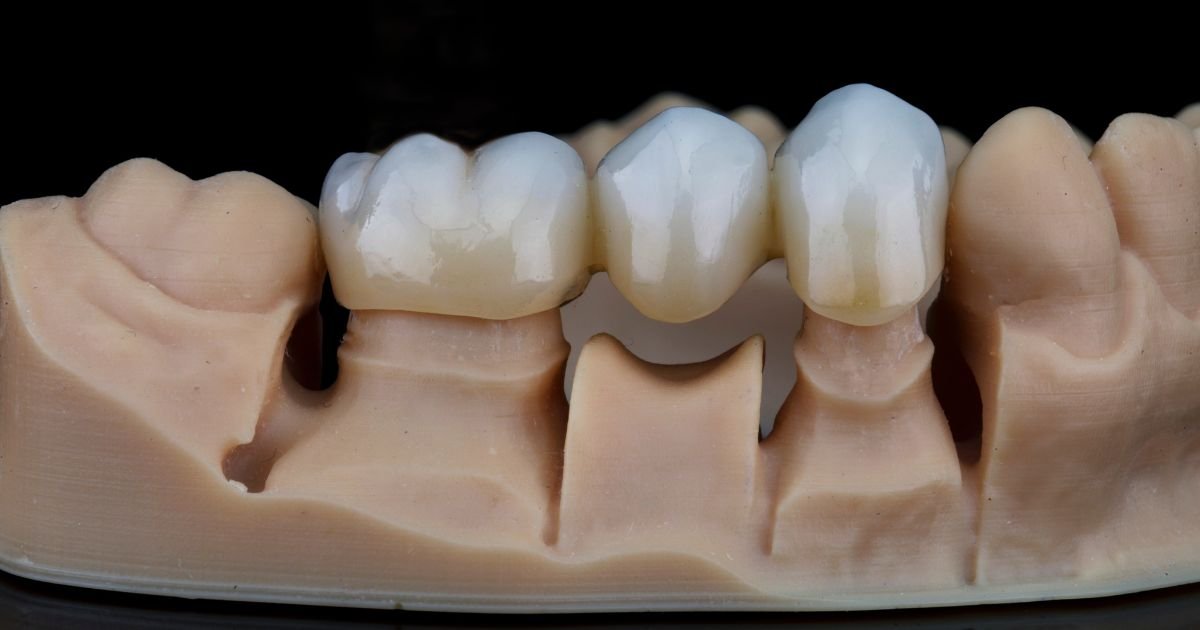
At Dr Khullar Dental Clinic, crown treatment should begin with a careful assessment of the tooth and the surrounding oral structures. The objective is not simply to place a crown, but to determine whether the tooth is suitable for restoration, identify any underlying dental problems, and select an appropriate restorative approach.
From restoring a root canal-treated tooth to rebuilding a damaged or heavily restored tooth, the treatment plan can be tailored according to individual clinical needs.
If you are looking for Dental Crowns in Gurgaon, schedule a dental consultation to determine whether a crown is the right option for your tooth.
Final Takeaway
A dental crown can help restore a damaged or weakened tooth while improving its function, strength, and appearance. Different materials, including zirconia, all-ceramic, porcelain-fused-to-metal, and metal crowns, offer different advantages.
The right choice depends on the tooth’s condition, location, bite forces, aesthetic expectations, and overall oral health. The cost of dental crowns in Gurgaon also varies according to these factors and any additional treatment required.
For a reliable treatment decision, a professional dental examination is the first step. At Dr Khullar Dental Clinic, an individualised assessment can help determine whether a dental crown is appropriate and which restorative option best suits your needs.