
A tooth infection rarely starts with dramatic pain. More often, it begins quietly as mild discomfort, occasional sensitivity, or a nagging ache you expect will resolve on its own. Unfortunately, tooth infections do not heal without professional care. When ignored, they can progress rapidly, causing severe pain and long-term oral health complications. Understanding the warning signs and available treatments can help you take timely action and protect your smile.
What Is a Tooth Infection?
A tooth infection, commonly referred to as a dental abscess, develops when bacteria penetrate the inner layers of a tooth or the surrounding gum tissue. This usually occurs due to untreated cavities, cracked or broken teeth, advanced gum disease, or failed dental restorations. Once bacteria reach the tooth pulp, which houses nerves and blood vessels, infection and pus formation follow, leading to inflammation and persistent pain.
At Dr Khullar Dental Clinic, such infections are frequently diagnosed in patients who delayed treatment for cavities or ignored early dental discomfort, highlighting the importance of early dental intervention.
Symptoms That May Indicate a Tooth Infection
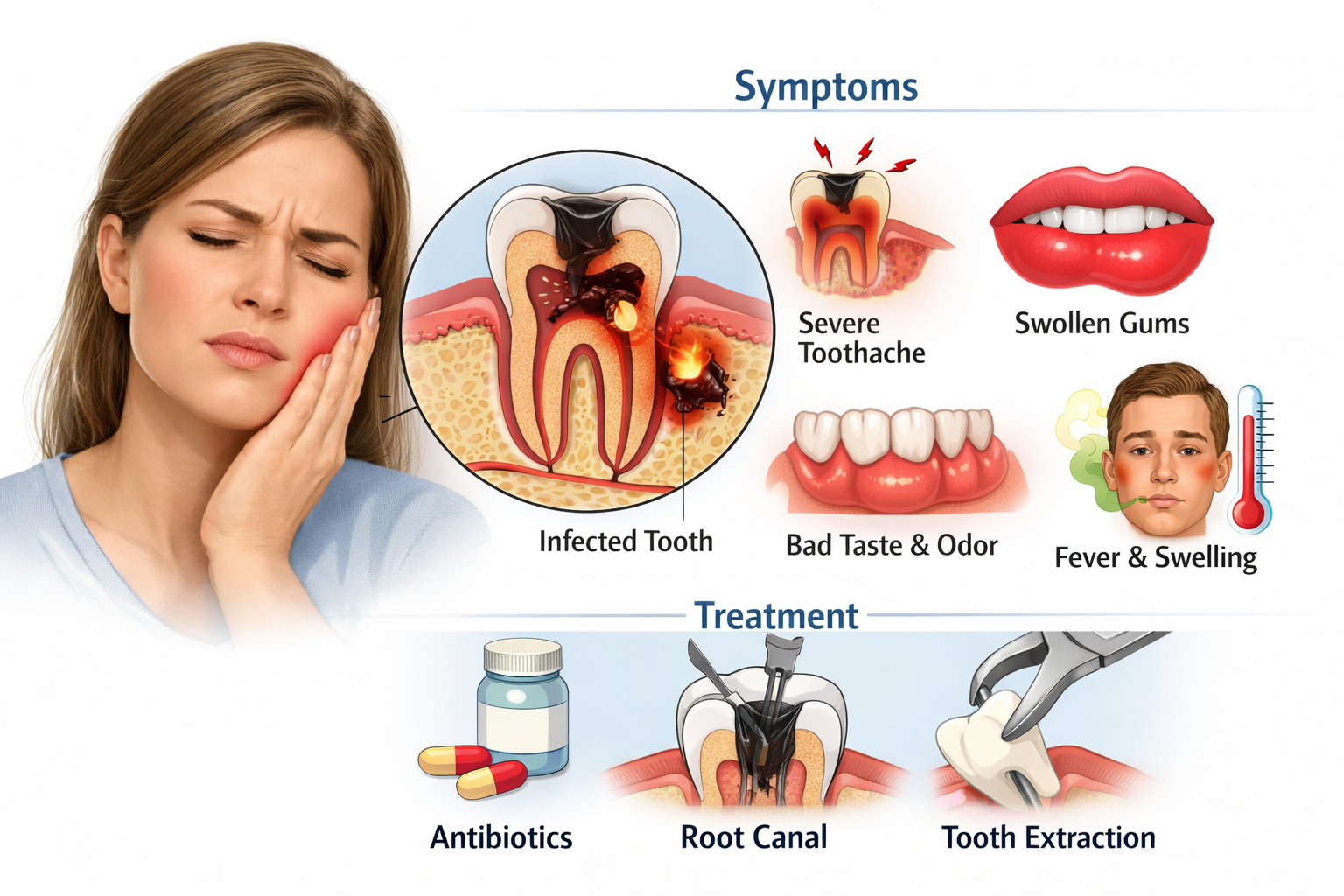
Tooth pain is often the first and most noticeable symptom. It may feel like a constant throbbing, sharp pain while chewing, or pressure sensitivity that worsens over time. Prolonged sensitivity to hot or cold foods, especially when the sensation lingers, is another strong indicator of infection.
As the infection advances, swelling may develop in the gums, jaw, or face. Some patients experience a foul taste in the mouth or persistent bad breath caused by pus drainage. Fever, fatigue, and swollen lymph nodes suggest that the infection is affecting the body beyond the tooth. In more serious cases, difficulty opening the mouth or swallowing requires immediate dental attention.
Can a Tooth Infection Heal Without Treatment?
A tooth infection will not go away on its own. While pain may temporarily reduce, the infection continues to spread beneath the surface. Home remedies and painkillers only suppress symptoms and do not eliminate the bacteria. Delaying professional treatment increases the risk of tooth loss and more serious health complications.
How Dentists Diagnose a Tooth Infection
Diagnosis involves a thorough dental examination and digital X-rays to assess the extent of infection, bone involvement, or abscess formation. At Dr Khullar Dental Clinic, advanced diagnostic tools are used to accurately identify the source of infection, allowing for precise and effective treatment planning.
Treatment Options for a Tooth Infection
Treatment depends on the severity and spread of the infection. Antibiotics may be prescribed to control bacterial activity, but they are never a standalone solution. The underlying cause must be treated to prevent recurrence.
Root canal treatment is one of the most common and effective methods to save an infected tooth. The procedure involves removing the infected pulp, cleaning and disinfecting the canal, and sealing the tooth to stop further bacterial entry. When performed promptly, a root canal can relieve pain and restore full tooth function.
In cases where the tooth is extensively damaged and cannot be saved, extraction may be necessary. Dentists at Dr Khullar Dental Clinic also guide patients on suitable replacement options, such as dental implants or bridges, to maintain proper bite alignment and oral health.
If an abscess has formed, draining the infection may be required to reduce pressure, swelling, and discomfort before definitive treatment is completed.
Risks of Leaving a Tooth Infection Untreated
An untreated tooth infection can lead to serious complications. The infection may spread to adjacent teeth, the jawbone, sinuses, or even enter the bloodstream. This can result in severe pain, facial swelling, bone loss, and in rare cases, life-threatening conditions. Early treatment is essential to avoid these outcomes.
How to Prevent Tooth Infections
Maintaining good oral hygiene is the most effective way to prevent tooth infections. Regular brushing, flossing, and routine dental checkups help identify problems before they escalate. Treating cavities early, managing gum disease, and addressing dental injuries promptly significantly reduce the risk of infection.
When to Visit a Dentist
Persistent tooth pain, swelling, sensitivity, or signs such as fever and pus should never be ignored. Seeking timely care at a trusted dental clinic can make the difference between saving and losing a tooth. Early diagnosis and treatment ensure faster recovery and long-term oral health.
Final Thoughts
A tooth infection is a serious dental condition that demands immediate attention. Recognizing the symptoms early and choosing the right treatment can prevent complications and relieve pain effectively. If you suspect a tooth infection, consulting experienced professionals at Dr Khullar Dental Clinic can help restore your oral health safely and comfortably.